The Ministry of Housing and Local Government has committed RM200 million to a four-year maintenance programme for non-Muslim places of worship across Malaysia, demonstrating what the government describes as its inclusive approach to development and national cohesion. The initiative, launched in 2023, represents a significant financial undertaking aimed at supporting Christian churches, Sikh gurdwaras, Hindu temples, Buddhist temples and other religious associations nationwide. The scale of the commitment underscores the government's stated philosophy that infrastructure and resource allocation should benefit all communities regardless of religious affiliation.
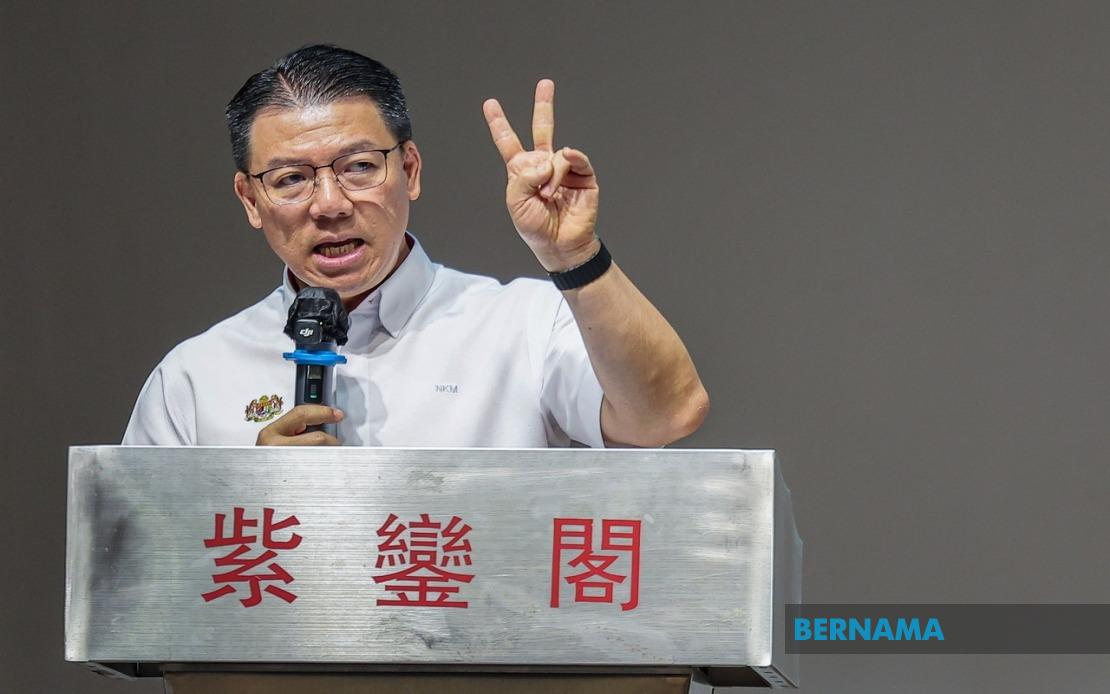
Minister Nga Kor Ming announced details of the programme at a ceremony in Kluang, Johor, where he presented funding specifically earmarked for the state. The initiative, formally called the Non-Muslim Houses of Worship Maintenance Initiative or RIBI, has already generated substantial demand from religious organisations seeking to improve their facilities. Since the programme's inception, the Ministry has received 1,478 applications through the dedicated e-RIBI System, with these requests totalling more than RM279 million—significantly exceeding the original RM200 million allocation, which suggests pressing maintenance needs across the sector.
In Johor specifically, the government announced RM3.14 million in fresh allocations targeting 27 religious institutions this year, with the broader state having received RM18.75 million since 2023 through May 2026 benefiting 154 venues. These funds are designated for renovation work, routine maintenance, new construction projects and emergency repairs to ensure the facilities remain safe, functional and suitable for community use. The tiered approach to disbursement demonstrates an attempt to spread resources across multiple states and institutions, though the gap between applications received and funds available suggests some organisations will not receive requested support.
The timing of this initiative carries significance within Malaysia's contemporary political context. Religious harmony and inclusive governance have become central themes in government messaging, particularly as the nation navigates questions about development priorities and community relations. By visibly investing in non-Muslim religious infrastructure, the government positions itself as protecting religious freedom and minority interests—a message that carries weight among Malaysia's significant Christian, Hindu, Sikh and Buddhist populations, together comprising roughly 17 per cent of the 34 million population.
Nga framed the programme within the broader MADANI government philosophy, emphasising that development should transcend racial and religious divisions. His remarks about "building bridges" rather than "walls" and fostering "unity" rather than "division" directly address concerns about social fragmentation that periodically surface in Malaysian public discourse. The rhetoric reflects an understanding that religious facility maintenance, while ostensibly technical, carries symbolic weight as an indicator of how the state values minority communities and their institutions.
The e-RIBI System represents an important administrative infrastructure component, enabling transparent application processing and fund distribution. This digital approach addresses governance concerns around fairness and accountability in fund allocation, reducing opportunities for patronage or discretionary decision-making that might undermine public confidence. The system's existence and active use suggests that religious organisations have accepted the government's framework for accessing support, though the significant shortfall between applications and available funding raises questions about selection criteria and how the Ministry prioritises among competing requests.
From a practical standpoint, religious institutions across Malaysia face ongoing maintenance challenges as many were constructed decades ago and require regular investment to preserve functionality and safety standards. Houses of worship often operate on limited budgets dependent on congregational contributions, making government support particularly valuable for addressing structural repairs, roof replacements, electrical system upgrades and other substantial expenses. The RIBI programme effectively subsidises maintenance of community infrastructure that serves important social functions beyond purely religious ones, including community gatherings, education programmes and social welfare activities.
The initiative also reflects recognition of Malaysia's multicultural character as a strategic asset requiring active protection and investment. In an increasingly competitive Southeast Asian region where talent and investment migration represent key concerns, maintaining religious harmony and demonstrating genuine inclusivity can influence decisions by both domestic minorities and international observers regarding Malaysia's stability and attractiveness. Religious tensions elsewhere in the region have occasionally disrupted economic activity and investor confidence, making the Malaysian government's proactive approach to minority religious accommodation a risk mitigation strategy.
However, the substantial gap between the RM200 million committed and the RM279 million in applications raises practical questions about programme sustainability and expectations management. If demand continues outpacing supply at current levels, the government will face difficult choices about expanding allocations, tightening eligibility criteria, or implementing more rigorous project selection processes. Religious organisations may experience frustration if applications remain unfunded, potentially undermining the goodwill the programme aims to generate.
The geographical distribution of funds, with Johor receiving roughly 9.4 per cent of the four-year allocation through mid-2026, suggests the Ministry is attempting proportional distribution across states, though this requires verification with completed allocations to other regions. Different states may face varying needs and application volumes, making even distribution neither feasible nor necessarily equitable. Transparency in explaining allocation methodologies would strengthen public confidence in the programme's fairness.
Looking forward, the RIBI initiative will likely become a regular feature of government engagement with religious minority communities, offering a tangible mechanism for demonstrating commitment to inclusivity. Its success will be measured not only by funds disbursed but by whether religious organisations perceive the system as responsive, fair and adequately resourced relative to genuine maintenance needs. The programme also establishes a precedent that could influence government resource allocation to other minority community institutions and infrastructure over coming years.

