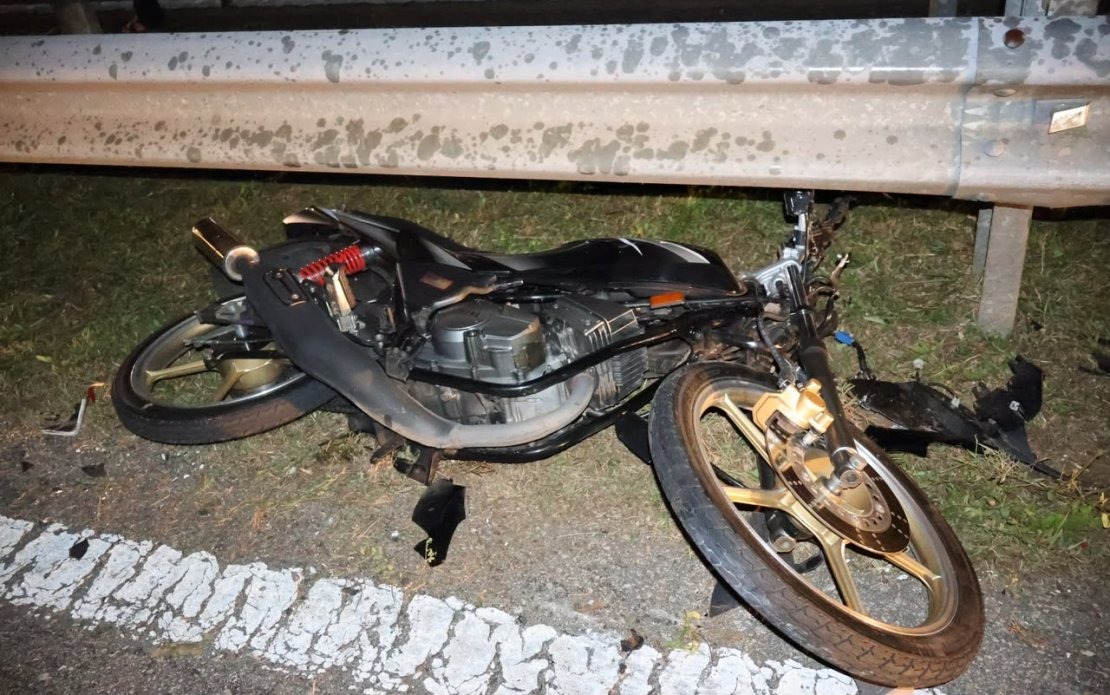
The director of Bukit Aman's Traffic Investigation and Enforcement Department has emphasised that a comprehensive approach encompassing education and public engagement is essential to address the persistent problem of dangerous driving behaviour on Malaysian roads. Datuk Seri Muhammed Hasbullah Ali's comments come in the wake of a serious incident on the East Coast Expressway that resulted in the deaths of four motorcyclists and left twenty others injured, underlining the urgency of the road safety crisis facing the nation.
Muhammed Hasbullah stressed that punitive measures through traffic enforcement, while necessary, represent only one component of a broader strategy needed to transform road safety outcomes. The official pointed out that parents, families, schools and community organisations all bear responsibility for cultivating a culture of responsible behaviour among road users, suggesting that lasting change demands sustained engagement from multiple societal institutions rather than reliance on police operations alone.
Particularly troubling, according to the JSPT director, is the behaviour of motorcyclists whose dangerous actions stem from problematic attitudes and psychological motivations rather than mere carelessness. Many riders deliberately ignore traffic regulations to gain personal satisfaction or gain approval from their peers, operating from a mindset that prioritises thrill-seeking and social validation over public safety. This psychological dimension means that simply increasing patrols and issuing fines cannot effectively deter conduct rooted in deliberate choice and social reinforcement.
Despite ongoing enforcement campaigns by JSPT and other government agencies tasked with road safety, irresponsible individuals continue to pose significant risks to themselves and others. The pattern includes reckless riding, participation in illegal street racing, and the performance of dangerous stunts on highways—behaviours that have been documented repeatedly across Malaysia's major road networks. The persistence of these activities suggests that enforcement efforts, however intensive, have failed to create sufficient deterrence or behavioural change among the most problematic road users.
The incident on the East Coast Expressway exemplifies the tragic human cost of road irresponsibility. The four fatalities and injuries to two dozen other people—whether passengers, bystanders or other motorists—represent not isolated losses but part of a continuing toll that extends far beyond the primary victims. Survivors often endure lasting physical injuries, psychological trauma, and financial hardship, while families and communities suffer reverberating damage from preventable tragedies.
Muhammed Hasbullah articulated the fundamental principle underlying road safety: highways and public thoroughfares are shared spaces requiring collective responsibility and mutual respect among all users. This framing shifts the conversation from one focused narrowly on rule enforcement to one centred on social obligation and the recognition that individual choices have consequences for others. When riders take dangerous risks, they expose not only themselves but passengers and fellow road users to harm and potential tragedy.
The traffic police chief indicated that enforcement measures will continue and intensify against those caught engaging in reckless riding, illegal racing or other hazardous conduct. Stern legal action serves as a necessary deterrent for those inclined toward dangerous behaviour, and maintaining consistent consequences for violations remains important. However, Muhammed Hasbullah's broader message acknowledges that this reactive approach, while essential, cannot alone solve the problem without complementary initiatives.
For Malaysia's road safety ecosystem to improve substantially, stakeholders must invest meaningfully in preventive education beginning at school level, incorporating age-appropriate instruction in traffic rules, risk awareness, and the psychological factors influencing unsafe choices. Community organisations, religious institutions, and sports groups can reinforce these messages through their respective spheres of influence. Workplace safety programmes might target working-age riders, while family discussions can establish household norms around responsible driving.
The challenge is particularly acute given Malaysia's high motorcycle usage relative to vehicle ownership, with motorcyclists representing a disproportionate share of road fatalities. The socioeconomic, cultural, and infrastructural factors that make motorcycle transportation prevalent across the country mean that any comprehensive road safety strategy must address this demographic with particular intensity and cultural sensitivity.
Muhammed Hasbullah's intervention represents official acknowledgment that existing enforcement-centric approaches have plateaued in effectiveness and that systemic change requires engagement with root causes of dangerous behaviour. The statement invites other government agencies, educational institutions, and civil society organisations to recognise road safety as a shared responsibility demanding coordinated effort. Without such collaboration, Malaysia's road fatality statistics will likely continue to reflect the nation's insufficient commitment to behavioural and cultural transformation.

