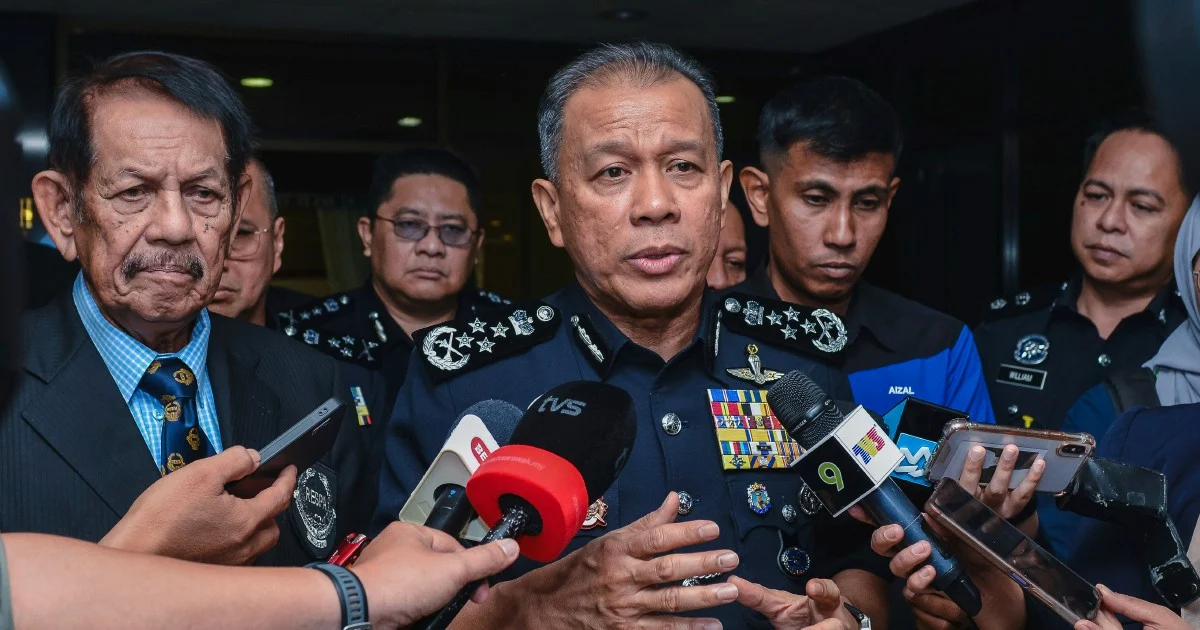
The Royal Malaysian Police have opened a formal disciplinary investigation into one of their officers following the circulation of a video that allegedly captured him making disrespectful remarks about local residents while travelling abroad in China. The Inspector-General of Police announced the action after the video gained significant traction on social media platforms, drawing public criticism and raising questions about professional conduct standards within the force.
The emergence of the video triggered widespread scrutiny among Malaysians, particularly those concerned with the image and reputation of law enforcement personnel representing the country overseas. The incident highlights the growing intersection between personal conduct and professional accountability in an era where virtually any moment can be recorded and rapidly disseminated across digital networks. For Malaysian security and police institutions already managing public perception challenges, such incidents carry particular weight in shaping broader community trust.
Investigations into officer conduct have become increasingly complex in Malaysia as social media amplification can transform isolated incidents into matters of national interest within hours. The police force, like other government agencies, must balance disciplinary fairness with public accountability expectations. The specific nature of allegations—that an officer made insulting statements about fellow Malaysians—carries additional sensitivity given the potential diplomatic and social ramifications of such conduct on foreign soil.
The decision to formally investigate reflects police leadership's commitment to maintaining professional standards and addressing public concerns promptly. Such investigations typically examine the authenticity of recordings, the context in which statements were made, and whether behaviour contravenes police regulations and conduct codes. The process establishes whether the officer engaged in conduct prejudicial to discipline or unbecoming of police service, both of which carry potential penalties ranging from warnings to dismissal depending on severity and circumstances.
China has become an increasingly significant destination for Malaysian travellers, whether for tourism, business, or official purposes. Incidents involving Malaysian citizens or officials abroad can have diplomatic implications and affect bilateral relations, making official responses critical. The police department's swift action to investigate demonstrates institutional awareness of these broader considerations and the importance of upholding professional standards in international contexts.
Social media's role in bringing such matters to official attention reflects evolving mechanisms of public accountability. While this can serve positive purposes in highlighting genuine misconduct, it also creates pressures on organisations to respond quickly to allegations that may not yet be fully verified. The police investigation process will determine the factual basis for claims circulating online and establish appropriate consequences if misconduct is confirmed.
The incident occurs within a broader context of police reform discussions in Malaysia, where public confidence and institutional legitimacy remain priorities for leadership. Individual officer misconduct cases, particularly those gaining viral attention, inevitably influence public perception of the entire force. This reality places considerable responsibility on investigators to conduct thorough, credible inquiries that satisfy both internal accountability requirements and public expectations for transparency.
For Malaysian residents and expatriates in China and across Southeast Asia, such incidents underscore the importance of representing one's country professionally and respectfully. Government employees, especially those in uniformed services, are understood to represent national interests even during personal travel. The investigation's outcome will likely influence police training and conduct awareness programmes, particularly regarding international travel behaviour.
The police force has invested considerable effort in community relations and professional development initiatives over recent years. Isolated incidents involving individual officers, while requiring serious response, should not overshadow broader institutional efforts. Nevertheless, addressing misconduct swiftly and transparently remains essential for maintaining public trust and demonstrating that police leadership takes accountability seriously at all levels.
As the investigation progresses, details regarding the officer's identity, the specific nature of allegations, and the video's authenticity will likely emerge through official channels or continue circulating on social media. The disciplinary process will ultimately determine whether conduct breaches formal regulations and what remedial or punitive measures are warranted. This case serves as a reminder that professional obligations extend beyond Malaysia's borders and that officers representing the country internationally must maintain standards reflecting positively on the institution and the nation they serve.