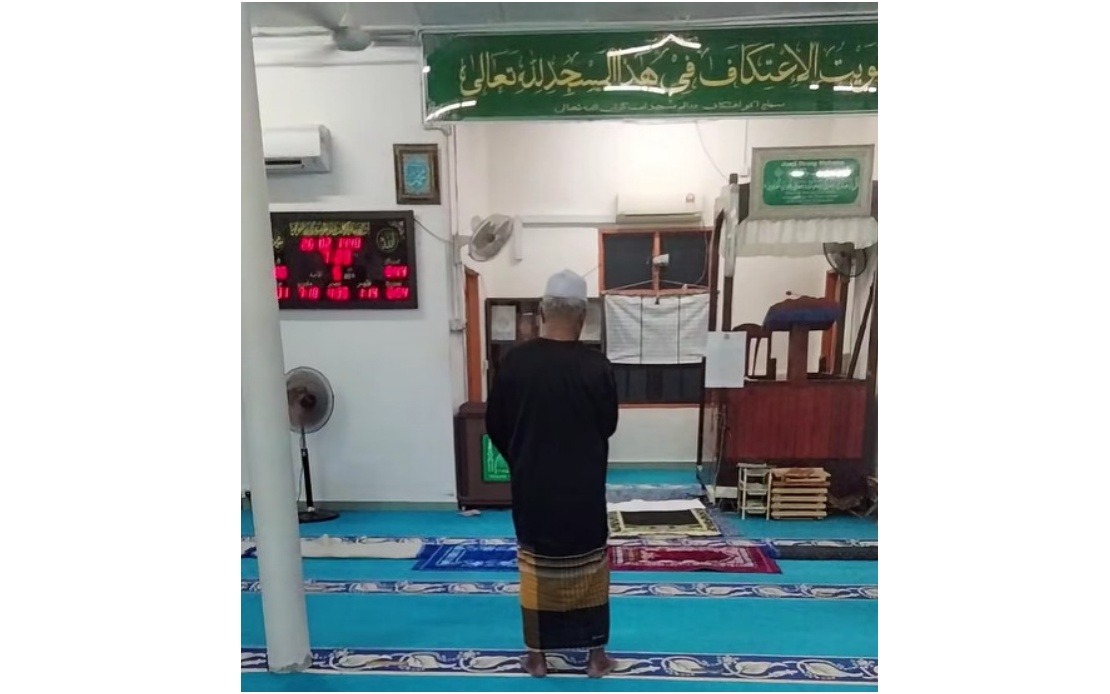
A 15-second video circulating on social media has thrust Masjid Tanjung Resang in Mersing into an unexpected spotlight, raising questions about congregational vibrancy in rural Johor. The footage, which gained traction on Facebook and WhatsApp, depicted a single worshipper performing prayers while simultaneously fulfilling the roles of imam and bilal—the roles traditionally held by separate individuals. Rather than indicating institutional failure, mosque officials and local political leaders argue the clip captures an atypical moment and obscures a more nuanced reality about demographic shifts in peninsular villages.
Mersing Member of Parliament Muhammad Islahuddin Abas, who is himself a resident of the area, characterised the situation as rooted in structural economic change rather than religious apathy. He explained that while the village contains numerous houses, the resident population has thinned considerably as people have migrated for employment or relocated permanently. This demographic hollowing—common across rural Malaysia as younger generations seek urban opportunities—does create genuine operational challenges for community institutions designed for larger populations. Yet Muhammad Islahuddin emphasised that mosque programming persists in spite of these headwinds, with regular activities including religious discourse sessions, educational lectures, and Quranic recitation gatherings continuing on their established weekly schedule.
The MP's own reaction to the viral content reflected the initial surprise that greeted the video's circulation. He received screenshots via WhatsApp from contacts in Kuala Lumpur questioning the apparent state of affairs, indicating how quickly such content travels across Malaysia's social media networks regardless of local context. Muhammad Islahuddin's engagement with the issue underscores the political dimension of rural development: even in a largely non-partisan governance matter, parliamentarians find themselves addressing concerns raised by digital discourse.
Instead of dismissing the viral moment as purely negative, Muhammad Islahuddin identified an unexpected advantage. The widespread sharing of the video, despite its misleading framing, has inadvertently increased awareness of Masjid Tanjung Resang beyond the immediate locality. The mosque's location set back from the main road has historically rendered it inconspicuous—even to residents and officials elsewhere in Mersing District. By thrusting the building into public conversation, the viral clip has paradoxically fulfilled a promotional function, introducing a religious facility to people who would otherwise remain unaware of its existence.
Muhammad Islahuddin further described the mosque as welcoming to visitors regardless of religious background, and highlighted its practical value to the regional community. The facility serves as a waystation for hikers ascending Gunung Arong, a popular trekking destination, where facilities have been arranged for the convenience of outdoor enthusiasts. This multipurpose character reflects how rural mosques often function as community anchors extending beyond strictly religious domains, providing infrastructure and hospitality that benefit the broader locality.
Abdul Syamil Abdul Fadzil, the mosque's chairman, moved quickly to address the controversy by engaging directly with official channels. He reported being contacted by representatives from the Johor Islamic Religious Affairs Department (JAINJ) seeking clarification about the viral video. Rather than viewing this as oversight scrutiny to be resisted, Abdul Syamil treated it as an opportunity to document the actual operational picture. He confirmed to departmental officials that the video captured only an incidental moment: the mosque's noja, an assistant position, performing a voluntary prayer rather than the standard congregational prayer that characterises major prayer times.
The mosque chairman's explanation emphasised the distinction between captured moments and representative reality. The noja's solitary prayer in an empty mosque is fundamentally different from congregational prayer times when community members gather. This distinction matters substantially for understanding rural mosque dynamics—a snapshot from an off-peak period cannot reflect the vibrancy of communal practice during regularly scheduled services when participation rates would be meaningfully higher. Abdul Syamil stressed that various religious activities continue to be conducted on a regular basis, suggesting an ongoing programme despite demographic challenges.
The incident illuminates persistent tensions in Malaysia's evolving social landscape. Rural communities face genuine demographic pressures as economic opportunities concentrate in urban centres, yet these villages maintain social and cultural institutions designed for larger populations. Mosques occupy a particularly important position in this context, functioning simultaneously as spiritual centres, administrative hubs, and community gathering spaces. The viral video, in capturing a moment of apparent emptiness, accidentally highlighted the real challenge facing rural Malaysia: how to sustain vibrant communal life when population bases have contracted.
For Malaysian policymakers and religious administrators, the Masjid Tanjung Resang situation presents a case study in managing expectations and resources. Johor's Islamic affairs department, by investigating the matter seriously rather than dismissing it, has acknowledged that rural mosque sustainability warrants attention. The challenge extends beyond Mersing—rural religious facilities across the peninsula confront similar pressures from outmigration and demographic ageing. Solutions may involve rethinking mosque roles to serve broader community functions, improving accessibility for dispersed populations, or adjusting administrative structures to match contemporary realities.
The silver lining that Muhammad Islahuddin identified—the mosque's unexpected media exposure—points toward potential remedies. Digital connectivity, while amplifying misleading perceptions, simultaneously creates opportunities for targeted outreach to geographically dispersed constituencies. A mosque that can attract weekend visitors and trekkers represents a more resilient institution than one serving only a sedentary core population. The accidental publicity, therefore, may catalyse practical reconceptualisation of rural religious institutions as nodes within broader networks rather than isolated community anchors facing inevitable decline.

