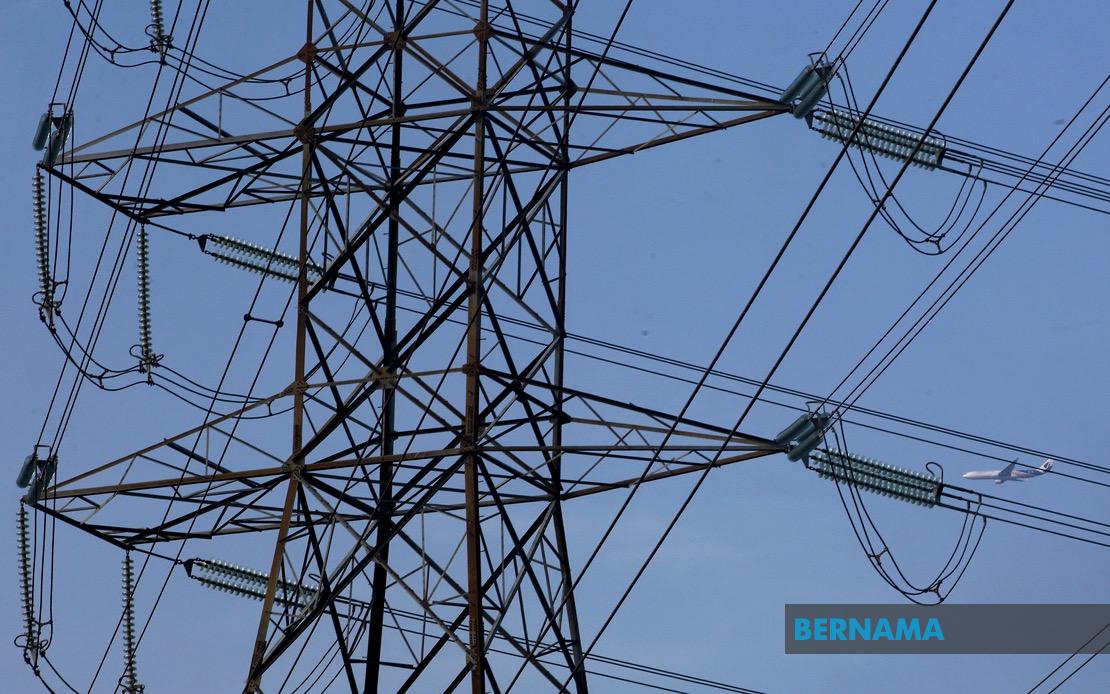
Sabah Electricity announced on June 29 that it would implement scheduled power rationing across multiple areas throughout the state, a consequence of diminished generation output triggered by interruptions in the gas supply feeding several of its power generation facilities. The utility company indicated that this reduction in available power had compressed the reserve margin within the Sabah Grid System to levels that demanded immediate action through managed load distribution, a preventive strategy designed to safeguard overall network stability and forestall cascading blackouts that could affect the broader consumer base.
The reserve margin—the difference between available generating capacity and peak demand—serves as a critical buffer in power system management. When this margin contracts to dangerous levels, grid operators face a difficult choice between accepting the risk of uncontrolled outages or implementing controlled, rotational interruptions that distribute the burden more equitably. Sabah Electricity's decision reflects standard utility practice when facing supply constraints, though it inevitably causes disruption to households, businesses, and critical services dependent on continuous electricity access throughout the state.
The company characterised the rationing regime as a temporary expedient, contingent on the restoration of sufficient generation capacity and the subsequent restabilisation of the grid infrastructure. This framing carries both reassurance and acknowledgment of uncertainty—while utility management expressed confidence in their ability to restore normal operations, the timeline for resolving the underlying gas supply disruptions remained undefined in their public statement. Such ambiguity is common when external factors beyond the utility's direct control, such as gas supplier issues or infrastructure damage, precipitate the crisis.
Sabah Electricity stressed its engagement with all pertinent stakeholders to expedite the recovery of generation capacity to operational norms. Simultaneously, the company stated that it was optimising grid operations to mitigate consumer impact, suggesting that dispatch protocols and load distribution algorithms were being fine-tuned to minimise the duration and geographic extent of each rationing cycle. These technical adjustments represent the practical work occurring behind emergency declarations—the detailed choreography of load shedding that determines which neighbourhoods lose power and when.
The state utility announced that comprehensive information regarding affected localities would be distributed progressively through its official Sabah Electricity Careline Facebook page, establishing social media as the primary channel for public notification. This approach reflects the prevalence of digital communication platforms in modern utility customer relations, though it does assume that consumers maintain active social media engagement and monitor utility pages regularly. The company also directed inquiries to the telephone number 15444, providing a more traditional contact avenue for those seeking information.
For Malaysian readers and observers across the wider Southeast Asian region, Sabah's power crisis highlights the structural vulnerabilities that plague economies reliant on fossil fuel-based electricity generation, particularly when supply chains for those fuels operate across multiple jurisdictions and infrastructure points of failure. Gas supply disruptions—whether caused by pipeline damage, maintenance operations, upstream production issues, or logistical bottlenecks—demonstrate how energy systems remain dependent on physical infrastructure networks that cannot be instantly rerouted when problems arise. The crisis underscores the ongoing energy security challenges facing Malaysian states and illustrates why regional policymakers increasingly advocate for diversified energy portfolios incorporating renewable sources with greater operational resilience.
The necessity for rotational power cuts reflects deeper questions about Sabah's generation infrastructure adequacy relative to growing demand and the risks inherent in concentrated reliance on limited fuel supply routes. Power systems typically maintain reserve margins of fifteen to twenty percent to accommodate unexpected supply losses, equipment failures, and demand fluctuations. When these margins erode due to supply-side disruptions, utilities like Sabah Electricity must choose between accepting blackout risk or implementing managed rationing—a reactive rather than proactive posture that disrupts economic activity and consumer welfare.
Sabah's situation also illustrates the fragility of regional power grids during periods of infrastructure stress. Unlike peninsular Malaysia's more interconnected transmission network, Sabah's power system operates with more limited redundancy and flexibility, making it more vulnerable to supply shocks. This geographic and infrastructural reality shapes the frequency and severity of power management episodes across the state, distinguishing it from federal territories and states served by more robust and diversified generation portfolios.
The company extended an apology for consumer inconvenience and requested forbearance from affected residents and businesses, acknowledging the hardship imposed by scheduled outages while appealing to collective understanding of the emergency circumstances. Sabah Electricity also cautioned consumers against relying on unverified information circulating through informal channels, a public health–style message emphasising the importance of accessing authoritative, official communications during infrastructure crises when misinformation and speculation could amplify public anxiety.
Looking forward, this episode will likely prompt discussions among Sabah's energy planners and state government regarding long-term supply diversification, infrastructure redundancy improvements, and potentially accelerated integration of renewable energy sources that could reduce the state's vulnerability to gas supply disruptions. The immediate rationing measures represent a short-term crisis response, but the underlying vulnerabilities they expose will shape energy policy conversations across Malaysian Borneo for months ahead.

