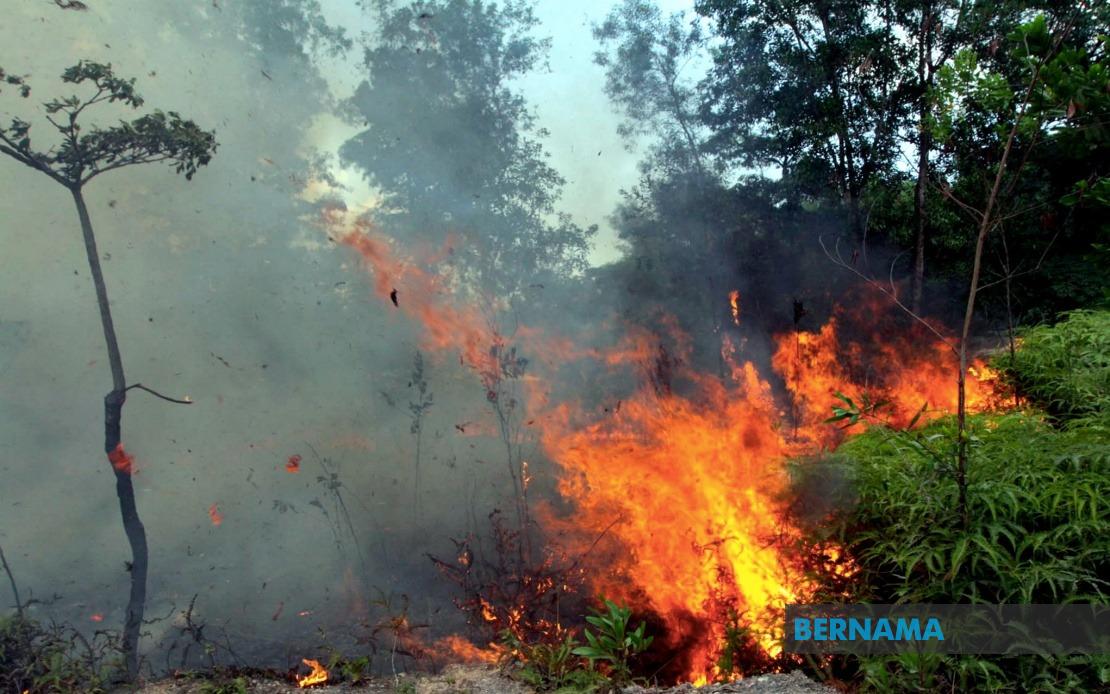
The Sabah Fire and Rescue Department has issued an urgent public advisory against open burning as transboundary haze originating from forest fires in Kalimantan, Indonesia, begins affecting air quality throughout the state. The department's director Mohd Pisar Aziz warned that smoke-laden winds from southern and central Borneo are carrying thick haze northward, already impacting visibility and atmospheric conditions across Sabah, with particular concentration in Kota Kinabalu and Kimanis districts.
The timing of this transboundary pollution event coincides with a period of elevated fire risk across the region. Mohd Pisar emphasised that the combination of hot and dry weather patterns significantly increases the likelihood of additional fires, making it essential for the public to exercise restraint from burning activities of any kind. He framed the appeal as a shared responsibility, stressing that preventing fires is not merely an individual choice but a collective imperative to safeguard lives, property and the natural environment. The department also reminded residents that open burning is a legal offence, underscoring the enforcement dimension of fire prevention efforts.
Monitoring data from the Air Pollutant Index Management System showed that air quality in Sabah remained within moderate ranges as of mid-August, though readings were climbing. Kota Kinabalu recorded the highest index at 83, followed by Politeknik Kota Kinabalu at 81 and Kimanis at 76. While these figures did not yet reach unhealthy thresholds, the trend and source of pollution suggested conditions could deteriorate further as the haze episode developed. The moderate classification, however, should not breed complacency, particularly among segments of the population most vulnerable to air pollution exposure.
Certain demographic groups face disproportionate health risks even at moderate pollution levels. Mohd Pisar specifically identified asthma sufferers, young children and elderly persons as high-risk populations requiring heightened precautionary measures. For these individuals, sustained exposure to haze-laden air can trigger respiratory complications, exacerbate chronic conditions and reduce overall wellbeing. Medical authorities typically recommend that such vulnerable groups exercise greater caution during haze episodes, even when official air quality indices suggest only moderate pollution.
The fire department's invocation of an open-burning ban for certain districts demonstrates the regulatory tools available to authorities. Keningau and Pitas had each experienced seven consecutive days without rainfall through August 10, satisfying meteorological criteria that trigger automatic burning prohibitions. These bans extend beyond simple restrictions on rubbish disposal; they encompass the burning of dried leaves, garden trimmings, construction debris and numerous other materials that could intensify haze conditions. The geographical specificity of the ban reflects hyper-local environmental conditions and demonstrates targeted governance approaches.
Public health authorities typically recommend a suite of precautionary behaviours during haze episodes. Sabah's fire department advised residents to curtail outdoor activities during peak pollution hours, specifically the window between 11 am and 4 pm, when atmospheric conditions tend to concentrate pollutants. Maintaining adequate hydration becomes particularly important during haze exposure, as does the consistent wearing of appropriate face masks in affected areas. These ostensibly simple measures, when practised collectively, substantially reduce individual and population-level health impacts from transboundary air pollution.
Fire prevention extends beyond the immediate question of open burning. Mohd Pisar counselled residents to conduct systematic inspections of electrical installations within their homes and properties, identifying and rectifying faulty wiring that could initiate unintended fires. The practice reflects a comprehensive approach to fire risk reduction, acknowledging that in conditions of elevated aridity and heat, multiple ignition sources pose genuine dangers. The casual disposal of cigarette butts also received attention, as these remain significant sources of accidental fire initiation, particularly in dry conditions.
The advisory mechanism itself incorporates both prevention and response dimensions. Members of the public are encouraged to immediately report any observed suspicious activities or fire outbreaks to the fire and rescue department via the emergency number 999. This reporting infrastructure enables rapid response to nascent fire situations, potentially preventing their escalation into larger incidents. The emphasis on prompt notification reflects established fire management protocols that depend on community vigilance and quick emergency response.
Transboundary haze in Southeast Asia represents a recurring environmental and public health challenge with roots in cross-border land management practices and climate patterns. The phenomenon intensifies during dry seasons when agricultural burning and forest clearance activities in Indonesia coincide with reduced precipitation. For Malaysian states including Sabah, such episodes require coordinated responses spanning individual behaviour modification, regulatory enforcement and inter-agency coordination. The fire department's warnings represent the domestic component of this broader regional challenge, though their effectiveness ultimately depends on sustained public compliance and favourable meteorological shifts that disperse accumulated haze.

