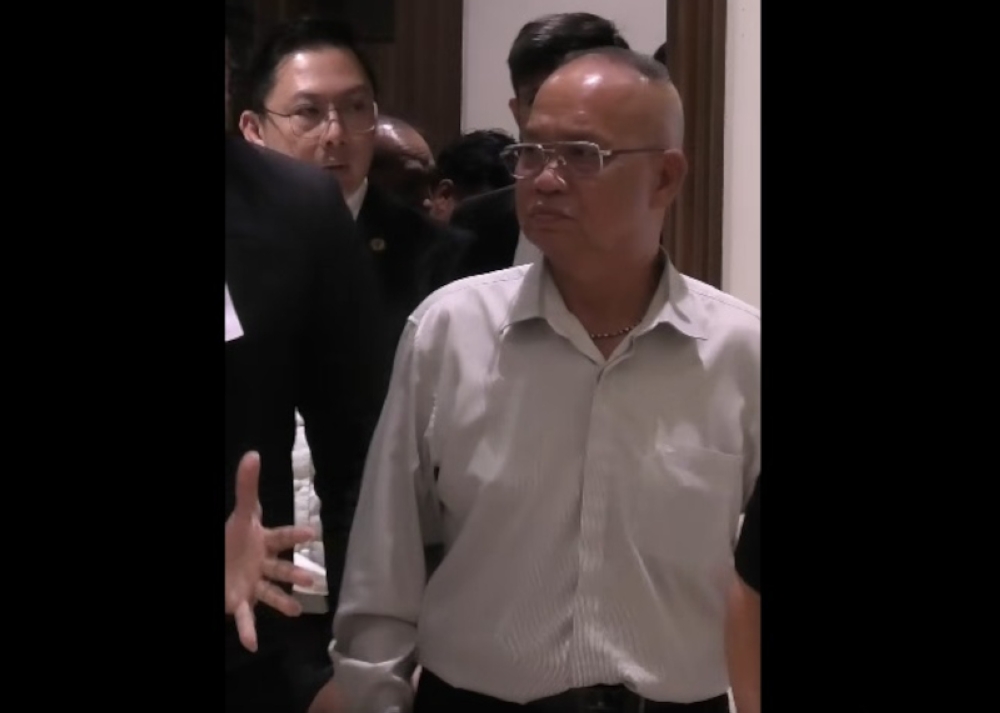
The president of Pertubuhan Rungus Bersatu Sabah (PRBS), Makinsos Nawai, appeared in court to dispute allegations made by the Malaysian Anti-Corruption Commission regarding mismanagement of funds intended for a Rungus cultural hall development in Sabah. The case involves RM2 million that was allegedly diverted or mishandled, marking another instance of scrutiny faced by indigenous community organisations managing public allocations in the state.
The charges against Makinsos reflect broader concerns about accountability in how development funds reach grassroots organisations, particularly those supporting indigenous communities. Sabah's Rungus people, an ethnic group residing primarily in the western districts of the state, have historically sought dedicated resources for cultural preservation and economic development. The alleged misappropriation of this cultural hall project funding raises questions about oversight mechanisms and internal governance within community-based groups that handle government money.
The Rungus cultural hall project was conceptualised as a venue to showcase the heritage, traditions, and handicrafts of the Rungus community. Such facilities are intended to serve multiple purposes: providing a gathering space for community activities, creating opportunities for cultural tourism, and supporting economic ventures around traditional practices. The RM2 million allocation signifies the government's commitment to backing these initiatives, yet the controversy now threatens both the project's completion and the credibility of the organisation entrusted with its execution.
The MACC's involvement indicates that financial irregularities were identified during investigations that warranted criminal charges. Typically, such cases involve allegations of misappropriation, fraudulent claims, or failure to utilise funds according to their intended purpose. For organisations like PRBS, which operate with public trust and depend on government grants, such accusations carry significant reputational consequences beyond potential legal penalties. Community members who supported the cultural hall initiative may feel disappointed by the turn of events.
The not guilty plea entered by Makinsos suggests the defence will contest the MACC's findings and present alternative explanations for how the funds were managed. This could involve documentation disputes, differences in interpretation of fund usage agreements, or claims that expenditures were indeed aligned with project objectives. The court proceedings will likely scrutinise financial records, tender processes, and the timeline of disbursements related to the RM2 million allocation.
For Malaysian readers, this case underscores the importance of transparent financial management in community development projects, particularly those targeting indigenous populations. Sabah, with its diverse ethnic composition and significant indigenous communities, frequently receives allocations for cultural and developmental initiatives. The case of PRBS demonstrates that accountability mechanisms, while essential, can sometimes result in criminal charges when discrepancies emerge—highlighting the need for better training in financial governance for grassroots organisations.
The broader implications extend to how government agencies coordinate with NGOs in executing development programmes. NGOs often lack the administrative infrastructure of larger corporations, yet they are held to similar financial accountability standards. This structural mismatch sometimes creates genuine compliance difficulties, even when intentions are sound. The PRBS case may serve as a catalyst for discussions about providing better financial management support to community organisations operating at the grassroots level.
Sabah's development agenda increasingly emphasises indigenous participation and community-driven initiatives. Projects like the Rungus cultural hall align with this philosophy by delegating implementation responsibility to community groups themselves. However, the alleged mishandling of the RM2 million funding suggests that delegation without adequate oversight or support mechanisms can lead to problematic outcomes. Future government funding for similar projects may require more structured monitoring and clearer accountability frameworks.
The court proceedings will likely provide clarity on how the funds were actually spent and whether irregularities constitute intentional misconduct or administrative oversight. The outcome will influence not only the legal consequences for Makinsos but also public confidence in NGO-led development initiatives throughout Southeast Asia. For indigenous communities in Sabah, the case represents a critical moment in demonstrating their capacity to manage substantial government allocations responsibly—or risking reduced future support if accountability failures are confirmed.
Pending the trial's conclusion, the Rungus cultural hall project remains in an uncertain state. Whether the facility will eventually be completed, rehabilitated, or abandoned depends partly on the trial outcome and partly on whether the government or other organisations step in to salvage the initiative. The RM2 million investment, intended to strengthen Rungus cultural heritage preservation and community development, now hangs in legal limbo as stakeholders await the court's determination of the charges against PRBS's leadership.

