The Sabah state government is preparing to escalate its push for federal disbursement of outstanding development funds, with a crucial Malaysia Agreement 1963 (MA63) meeting scheduled for Monday focusing on the state's longstanding claim to RM900 million in unpaid special grant allocations. The negotiation represents another chapter in Sabah's ongoing efforts to secure financial commitments tied to the constitutional agreement that shaped its entry into Malaysia six decades ago, and underscores the delicate balance between federal capacity and regional expectations in managing intergovernmental finances.
Sabah Deputy Chief Minister II and Finance Minister Datuk Seri Masidi Manjun confirmed that the state government remains in active dialogue with Kuala Lumpur to ensure the full RM1.5 billion interim special grant announced by Prime Minister Datuk Seri Anwar Ibrahim reaches Sabah's coffers within the current calendar year. The state had previously received RM600 million in June, leaving a substantial gap that state officials contend must be addressed urgently to meet development priorities and fulfill long-deferred infrastructure commitments across the peninsula's eastern shoulder.
The MA63 meeting will extend beyond the immediate disbursement question to tackle the broader computational framework governing how the 40 per cent special grant provision is calculated under the agreement. This technical discussion carries significant implications, as clarifying the calculation methodology could determine future allocations and prevent disputes over financial interpretation that have occasionally clouded federal-state relations. For Malaysian federalism, establishing transparent and mutually accepted formulas for constitutionally-mandated payments strengthens institutional credibility and reduces the risk of protracted confrontation.
Sabah's position reflects a persistent undercurrent in its political relationship with the federation. The state has historically articulated grievances about infrastructure development parity, arguing that Peninsular Malaysia receives disproportionately larger investments relative to population and geographic contribution. The special grant mechanism under MA63 was designed partly to address this disparity, yet implementation gaps and delayed disbursements continue to fuel resentment. Securing the RM900 million within 2024 would represent tangible progress, though it would not resolve deeper structural questions about resource distribution across Malaysia's regions.
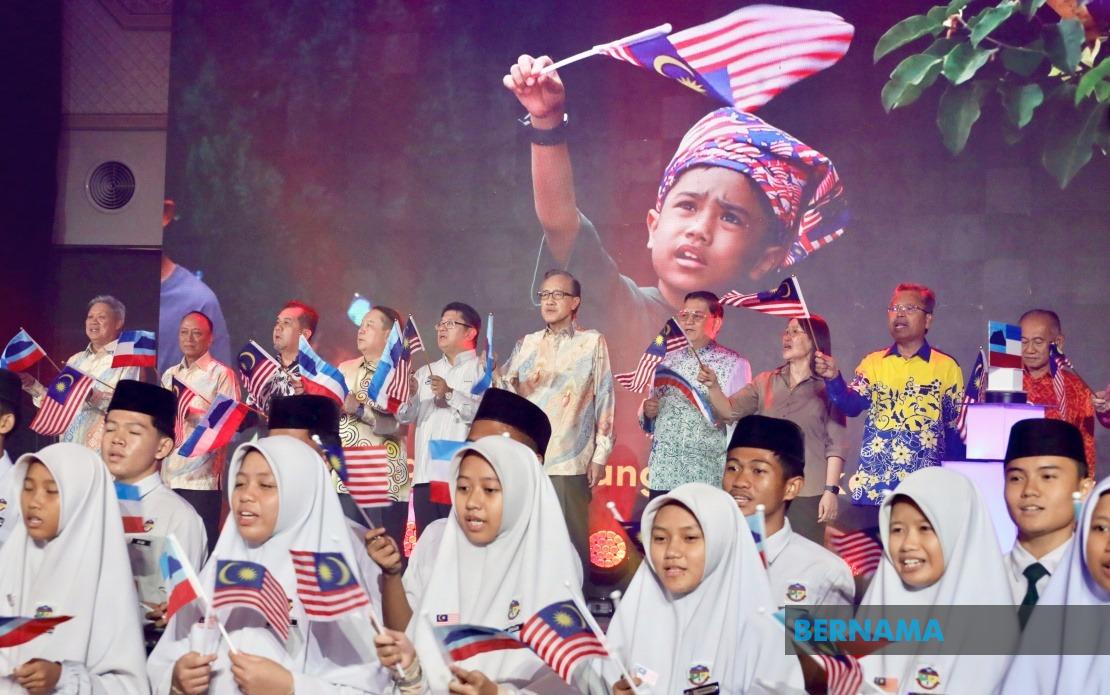
Masidi's public statements during the Sabah Day National Month campaign reveal the dual messaging typical of regional politicians navigating federal relationships. While pressing Kuala Lumpur for funds, he simultaneously encouraged Sabahans to take greater personal responsibility for development, deflecting criticism that the state has been marginalized by central government. This approach—simultaneously demanding resources while emphasizing local agency—attempts to maintain political credibility with both the federal government and local constituencies, though it risks appearing to soften claims of legitimate grievance.
The timing of these discussions coincides with Malaysia's broader economic management challenges. The federal government has faced constraints in meeting various financial commitments, and negotiations over Sabah's special grant must be contextualized within wider pressures on the national budget. Nevertheless, MA63 commitments carry constitutional weight and political significance that transcends ordinary budgetary considerations. Sabahans view the agreement as the foundation of their participation in Malaysia, making fulfillment of its financial provisions symbolically important beyond the monetary value alone.
Historically, Sabah has received intermittent and sometimes incomplete disbursements of special grant allocations, with delays frequently cited as evidence of relative neglect within federal governance structures. The June payment of RM600 million represented a substantial acknowledgment, yet the remaining RM900 million demonstrates that the government has not yet fully honored the commitment. Whether this year's negotiations produce complete settlement or another partial payment will shape perceptions of federal commitment to constitutional obligations, particularly among voters in East Malaysia who already harbor skepticism about central government intentions.
The special grant mechanism itself deserves examination in the Malaysian context. Unlike ordinary budget allocations that undergo annual review and are subject to competing priorities, the MA63 special grant derives from constitutional agreement and should theoretically stand outside routine budgetary pressures. Yet in practice, these funds compete for resources with other federal obligations, health spending, defense, and debt servicing. This structural tension between constitutional commitment and fiscal reality generates recurring friction that only comprehensive review could resolve.
For Southeast Asian observers, Sabah's case illustrates broader patterns in federal systems where regional entities negotiated specific rights and privileges before joining larger unions. Similar dynamics operate in Indonesia's relationship with Papua, the Philippines' arrangements with autonomous regions, and Thailand's handling of provincial autonomy. How Malaysia manages its MA63 obligations therefore carries implications beyond Sabah, signaling whether established regional compacts retain force or gradually erode through budgetary attrition.
The road ahead hinges on federal capacity and political will. If economic conditions improve and federal revenues increase, releasing the RM900 million becomes administratively feasible. However, if fiscal constraints persist, Sabah may face another partial or delayed payment, perpetuating the cycle of incomplete settlement. The Monday meeting will reveal whether negotiators have identified concrete mechanisms for payment or whether discussions remain aspirational. For Sabah's political leadership, delivering tangible results on this front carries immediate domestic consequences, as voters evaluate whether state officials effectively represent regional interests in federal forums.
Moving forward, both governments should consider establishing a structured timeline for special grant disbursements, preventing the emergence of large outstanding balances that generate friction and uncertainty. Such mechanisms would honor constitutional intent while providing budgeting predictability for state and federal planners alike. The current negotiation offers an opportunity to reset expectations and establish more durable arrangements that strengthen federal-state relations while honoring the foundational agreements upon which Malaysia's multi-regional structure rests.

