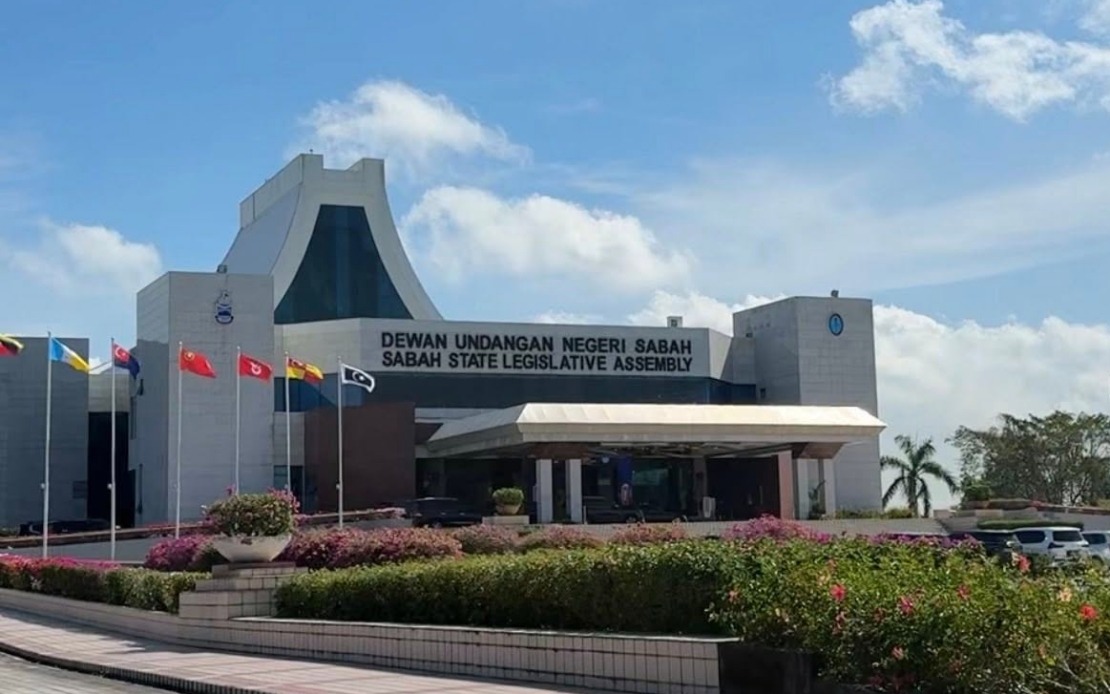
The Sabah State Legislative Assembly has greenlit an additional RM1.61 billion in spending for 2026, marking a significant adjustment to the state's budgetary framework as it navigates competing fiscal demands across essential government operations and capital investments. The chamber approved the Supplementary Supply Bill 2026 on July 21 following substantive deliberation involving 42 elected representatives, with the measure carried through a majority voice vote under the auspices of Deputy Speaker Datuk Al Hambra Tun Juhar.
Deputy Chief Minister II and State Finance Minister Datuk Seri Masidi Manjun tabled the legislation one day prior to its passage, underscoring the executive's intention to secure rapid parliamentary endorsement for the additional funds. The timing of this supplementary allocation reflects ongoing budget pressures facing Malaysia's largest state by land area, which must balance obligations to its sprawling geographic footprint with demands for improved public services and infrastructure.
The RM1.61 billion package distributes resources across six distinct expenditure categories, each targeting different dimensions of state governance. The largest single allocation—RM856 million—flows toward statutory fund contributions, representing recurring financial obligations that state government must satisfy under existing legislation and agreements. These statutory commitments typically encompass pension liabilities, debt servicing obligations, and contributions to federal-level programmes administered through state governments.
Operating expenditure secured RM278 million from the supplementary bill, resources dedicated to maintaining the daily functions of government machinery, employee salaries, utilities, and routine administrative costs. Development expenditure, allocated RM210 million, reflects the state administration's commitment to capital projects aimed at enhancing infrastructure, though the bill provides no specifics regarding which sectors or geographic areas within Sabah would receive these developmental investments.
Administrative expenditure claimed RM162 million, funding the bureaucratic machinery required for governance functions across state departments and agencies. State grants totalling RM93 million indicate distributions to entities receiving financial support from the state government, potentially including local authorities, statutory bodies, or recipient organisations fulfilling public functions. A final RM13 million in special allocations suggests discretionary funding for purposes determined necessary by the executive beyond standard categorical expenditure.
For Malaysian readers and observers across Southeast Asia, Sabah's supplementary budgeting reveals the persistent challenge facing resource-rich but geographically dispersed regions in matching revenue capacity with escalating expenditure demands. The state, which generates significant revenue through petroleum resources and palm oil production, nonetheless faces fiscal pressures requiring mid-year budget adjustments. Such supplementary bills are not uncommon across Malaysian state assemblies, yet they underscore the dynamic nature of public finances and the necessity for flexible budgeting mechanisms to respond to evolving circumstances.
The composition of Sabah's supplementary spending reflects broader patterns visible across Malaysian state governments, where statutory obligations absorb substantial portions of available revenue, constraining flexibility for new initiatives. The emphasis on statutory contributions suggests that inherited commitments consume considerable fiscal space, limiting room for discretionary investments that might drive longer-term economic diversification or infrastructure modernisation. This structural constraint affects Sabah's ability to pursue ambitious development agendas despite its considerable natural resource wealth.
The July 21 passage demonstrates institutional functionality within Sabah's legislative process, with the assembly convening to discharge fiscal oversight responsibilities through structured debate and voting procedures. That 42 assemblymen participated in deliberations indicates substantive engagement with the supplementary proposals, though the record provides no indication of dissent, opposition amendments, or substantive revisions during the debate phase. The voice vote mechanism, while efficient, offers limited transparency regarding the precise division of support across different factions represented in the chamber.
Looking forward, the state assembly is scheduled to reconvene on July 22, suggesting additional legislative business requiring parliamentary attention. This continued sitting pattern indicates an ambitious legislative agenda extending beyond the supplementary budget, potentially encompassing bills addressing other priority areas identified by the Sabah government. The timing of supplementary appropriations in July positions the state government approximately halfway through its fiscal year, providing opportunity to course-correct budgetary execution if revenue performance or expenditure patterns diverge from original projections.
The supplementary bill's approval carries implications for Sabah's development trajectory and fiscal sustainability. While the additional RM1.61 billion addresses immediate needs, observers should monitor whether such mid-year adjustments reflect inadequate initial budgeting, unforeseen circumstances, or deliberate sequencing of expenditure approvals. Understanding these dynamics proves essential for evaluating the state government's fiscal management and its capacity to deliver promised public services, infrastructure improvements, and development initiatives that regional stakeholders depend upon for economic growth and social advancement.

