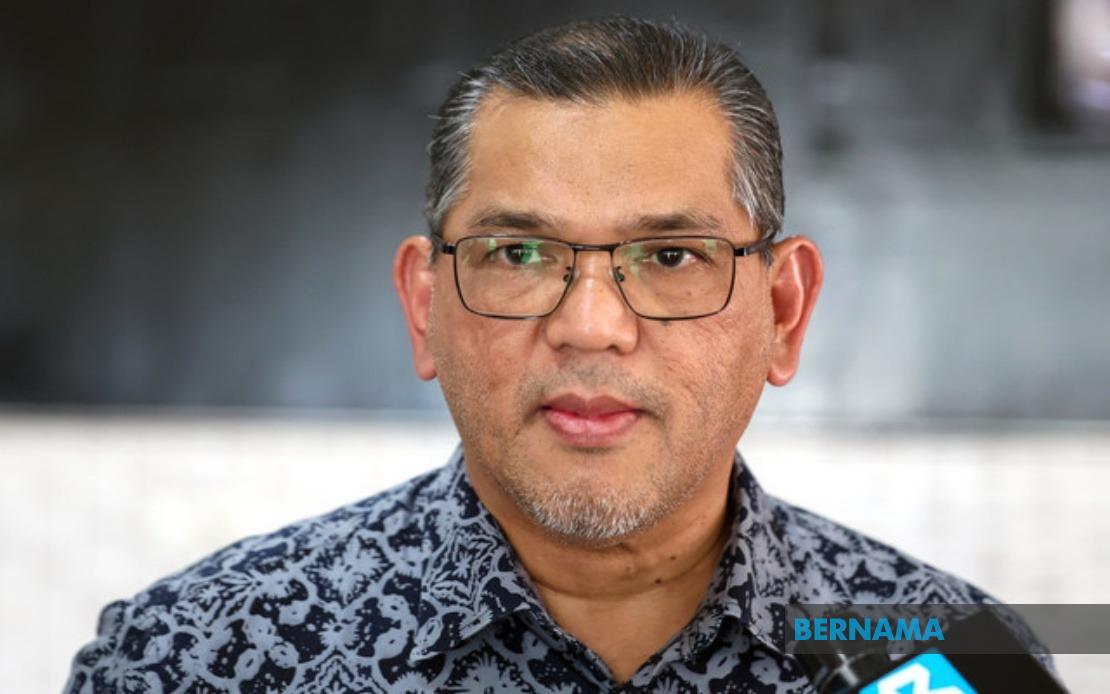
Nearly 7,000 young entrepreneurs in Sabah have benefited from a dedicated funding scheme that has injected RM21 million into grassroots business development since 2022. The Sabah Youth Entrepreneur Scheme (SYABAS) represents a substantive attempt by the state government to address youth unemployment and economic marginalisation by channelling capital directly to first-time business operators across diverse sectors. Speaking in the State Legislative Assembly, Sabah Youth, Sports Development and Creative Economy Minister Datuk Nizam Abu Bakar Titingan revealed that 6,951 recipients have tapped into the initiative, with individual state constituencies receiving focused support tailored to local economic conditions.
The breadth of enterprises emerging from SYABAS funding underscores the scheme's flexibility and relevance to Sabah's varied economic landscape. Young businesspeople have launched ventures in agriculture, retail, manufacturing and services, demonstrating that targeted capital access can unlock entrepreneurial potential across multiple demographic segments. Minister Nizam cited specific success stories to illustrate the scheme's impact: Amran Jining from Keningau operates a hydroponic vegetable farm, Erliana Said manages a bakery in Tawau specialising in bread and pastries, and Sitti Fatimah Janna runs a cosmetics business. These examples are not merely anecdotal flourishes but indicate that recipients are moving beyond subsistence activities into value-added production with higher profit margins and scalability potential.
What distinguishes SYABAS from conventional small-business lending is its post-disbursement support architecture. The state government maintains recipient databases and implements ongoing coaching, monitoring and capacity-building programmes designed to reduce business failure rates among inexperienced entrepreneurs. This follow-up engagement acknowledges that capital alone is insufficient; nascent businesses require mentoring, market intelligence and operational guidance to navigate the competitive landscape. The ministry's commitment to sustained engagement reflects sophisticated understanding that youth entrepreneurship programmes must address structural barriers facing first-time business operators who typically lack networks, collateral and commercial experience.
Strategic partnerships have broadened the ecosystem supporting these young entrepreneurs. Collaborations between government agencies, training institutions and private-sector actors are designed to expand opportunities across sectors including tourism, agriculture, construction, logistics, aquaculture, digital commerce and creative industries. These sectoral partnerships recognise that sustainable economic growth requires integrated value chains rather than isolated individual ventures. By facilitating connections between entrepreneurs, suppliers, trainers and potential customers, the state government aims to create networked advantage that elevates entire sectors rather than benefiting only individual recipients.
The success metrics emerging from SYABAS suggest meaningful economic traction. Several recipients have scaled beyond domestic markets, with their products reaching international buyers—a significant achievement given the typical constraints facing rural and semi-rural entrepreneurs in Malaysia. This export orientation indicates that the quality of supported enterprises extends beyond subsistence survival into commercially viable operations generating substantial revenue. Minister Nizam indicated that some recipients are generating income in the millions, suggesting that the scheme has successfully identified and supported individuals with genuine entrepreneurial capability rather than distributing funds indiscriminately.
The geographic distribution of support carries particular significance for state-level equity. The Nabawan state constituency alone has benefited 64 young entrepreneurs through SYABAS, indicating that the scheme is functioning as intended as a mechanism for distributing economic opportunity beyond urban centres. This territorial distribution aligns with broader Malaysian policy objectives around inclusive development and the economic revitalisation of constituencies that might otherwise experience youth outmigration. By anchoring young people in their home communities through viable business opportunities, SYABAS addresses both economic and social challenges simultaneously.
Complementing youth entrepreneurship initiatives, Sabah's state government has positioned tourism as another vehicle for inclusive economic growth. Visit Sabah Year 2027 has been designated as a strategic priority intended to drive broader economic benefits beyond hotels and restaurants. Assistant Minister Dr Andi Md Shamsureezal Mohd Sainal articulated an approach centred on building comprehensive tourism value chains that encompass accommodation, transport, food and beverage production, handicraft markets and community-based tourism products. This holistic perspective acknowledges that tourism spending becomes economically transformative only when it circulates widely through local supply chains rather than leaking to external vendors and absentee investors.
The architecture underlying Visit Sabah Year 2027 demonstrates intentional planning to ensure grassroots economic participation. Rather than viewing tourism as a discrete sector for hotel operators and tour companies, the state government is structuring the initiative to create intermediate opportunities for small enterprises and local communities. The tourism value chain approach recognises that travellers require numerous services and products—transportation, meals, guides, souvenirs, accommodation—and that deliberately organising supply to source these inputs locally can multiply economic benefits at community level. This contrasts with tourism models that concentrate wealth among large operators while communities provide labour at minimal compensation.
The four-pillar framework underpinning the 2027 campaign—culture, adventure, nature and sustainability—reflects sophisticated positioning that differentiates Sabah within Southeast Asia's crowded tourism market. The culture pillar speaks to Sabah's ethnic diversity and indigenous heritage, positioning local communities as primary assets rather than supplementary attractions. The adventure and nature pillars capitalise on Sabah's geographic advantages, whilst the sustainability pillar attempts to address environmental concerns that increasingly influence travel decisions among affluent global consumers. This multidimensional approach suggests recognition that successful tourism destinations must satisfy diverse visitor motivations and address legitimate environmental and social concerns.
The commitment to engagement with industry players—from multinational hotel chains to individual tour operators and craft producers—reflects pragmatic understanding that campaign success requires buy-in from heterogeneous stakeholders with divergent interests. The state tourism authority is simultaneously attempting to elevate small and medium enterprises and local communities whilst maintaining relationships with larger commercial operators. This balancing act requires skilled negotiation and policy design that prevents larger players from capturing disproportionate benefits whilst ensuring that overall tourism growth creates genuine opportunities at grassroots level. The Sabah Tourism Board's planned support mechanisms—targeted promotion, market access expansion and financial incentives—are designed to level the competitive playing field.
For Malaysian policymakers observing Sabah's twin-track approach to youth economic development, these initiatives offer instructive lessons about integrating entrepreneurship schemes with sectoral development strategies. Rather than treating youth unemployment as a discrete problem resolvable through isolated business grants, the state government is positioning entrepreneurship within broader tourism and creative-economy initiatives. Young entrepreneurs can supply tourism value chains, providing accommodation, meals, guides and handicraft products to Visit Sabah Year 2027 visitors. This vertical integration amplifies the economic impact of both entrepreneurship and tourism programmes by creating cross-sectoral demand.
The timing of these announcements is strategically significant given Malaysia's competitive positioning within Southeast Asia. Thailand, Indonesia and Vietnam have invested heavily in youth entrepreneurship and tourism competitiveness, and Sabah's initiatives represent attempts to maintain regional relevance. However, success ultimately depends on implementation quality and the capacity of government agencies to maintain focus and resources across electoral cycles. The RM21 million committed to SYABAS since 2022 represents meaningful investment, yet sustaining and expanding such programmes requires political continuity and organisational capability that often prove elusive in Malaysian contexts. Monitoring the trajectory of these initiatives over the coming years will provide valuable evidence about whether Sabah's approach succeeds in creating durable economic opportunities for young people or whether the programmes ultimately function as political gestures without lasting impact.

