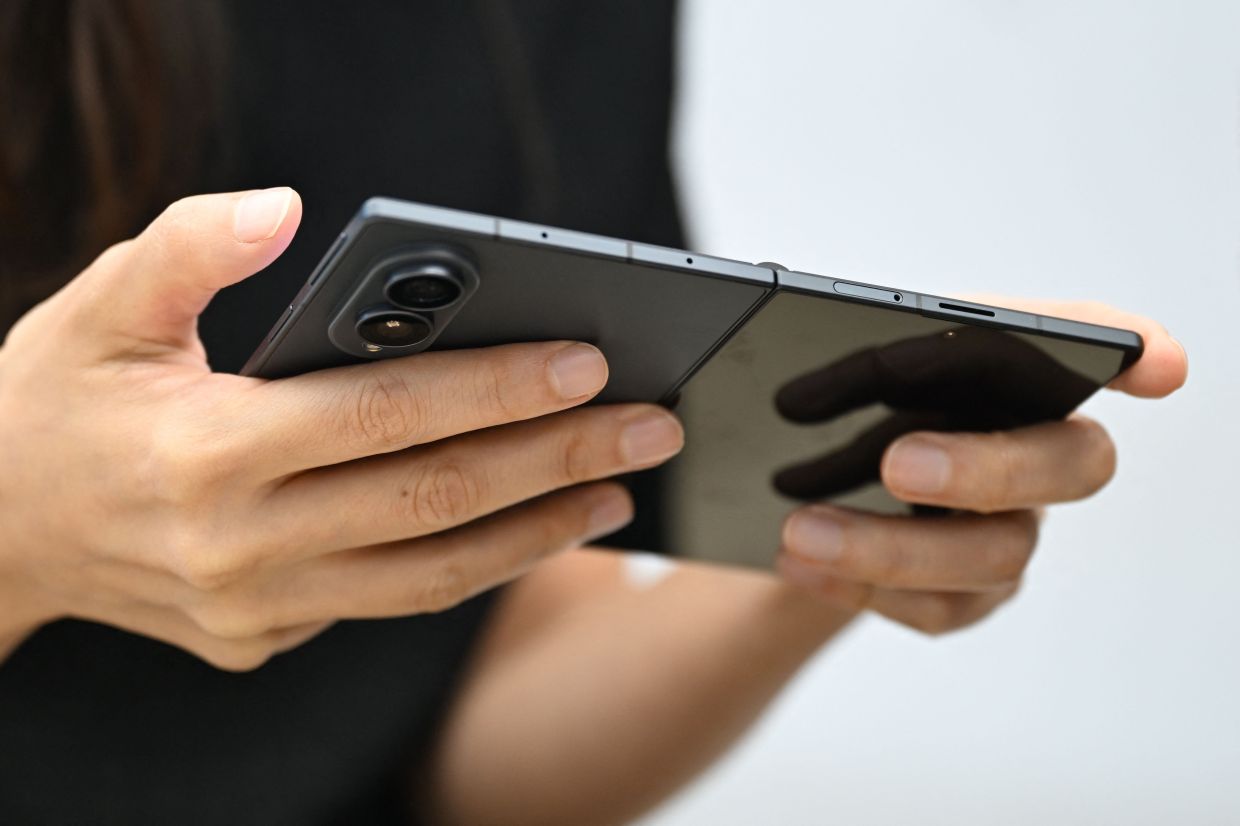
Samsung Electronics Co's latest foldable smartphone, the Galaxy Z Fold 8, represents a deliberate pivot away from the tall, narrow design language that has dominated the category since its inception. Instead, the device embraces a noticeably more compact, passport-like form factor with dimensions and screen proportions optimized for video consumption and general usability. The shift will gain considerable momentum when Apple Inc unveils its first folding iPhone within the next two months, signalling that this aesthetic direction is no longer an outlier but rather an emerging industry standard. Starting from RM7,299 locally and beginning shipments on August 7, the Z Fold 8 will introduce Western consumers to a design philosophy already tested by competitors including Alphabet Inc's Google, Oppo, and Huawei Technologies Co in other markets.
Google's approach with its original Pixel Fold briefly explored this wider, shorter profile before the company reversed course and opted for a taller, narrower configuration. The Chinese manufacturers Oppo and Huawei have maintained their commitment to wide foldables, demonstrating regional market appetite for the form factor. Yet Samsung's prominence in global smartphone manufacturing, combined with Apple's imminent entry into the foldable segment using similar proportions, will fundamentally alter consumer perception of what a foldable phone should look like. The convergence of these two industry giants around the same design principle carries implications for component suppliers, accessory manufacturers, and regional markets like Malaysia, where foldable adoption remains modest compared to flagship markets.
Handling the Z Fold 8 reveals a device that prioritizes tactile satisfaction alongside functional innovation. Weighing just 201 grams (0.44 pounds), the phone feels notably lighter than earlier foldable iterations, reducing fatigue during extended use. The 5.5-inch outer screen proves genuinely comfortable to navigate with a single hand, thanks to the device's reduced vertical span of approximately 4.9 inches. Users accustomed to larger flagship phones such as the Galaxy S26 Ultra or iPhone 17 Pro Max will find this more compact profile refreshingly manageable, eliminating the grip anxiety that accompanies oversized handsets. The hinge mechanism operates smoothly during unfolding transitions, though Samsung's design intentionally prevents the Z Fold 8 from achieving the semi-open laptop position that characterized earlier models.
The aesthetic choices accompanying the hardware refresh reveal Samsung's more conservative approach to color. Where the Z Fold 7 featured a saturated blue option, the 2026 generation employs muted, understated tones. Build quality across the new lineup feels solid and well-executed, though practical issues emerge when the device rests on surfaces. The rear camera array's prominent placement creates noticeable wobbling when the phone sits flat on a table—a persistent annoyance that lacks obvious mitigation without proprietary cases. The width-first design imposes undeniable compromises on information density, particularly on the outer display. Apps typically scale to accommodate the 10:16 aspect ratio, but the resulting vertical limitation proves frustrating for information-heavy tasks. Gmail users will observe a dramatic reduction in visible email subjects: whereas an iPhone 17 Pro Max displays approximately ten subject lines, the Z Fold 8 shows merely five, requiring considerably more scrolling to review correspondence.
This spatial constraint extends beyond email to affect multitasking workflows. Samsung's home screen grid on standard phones accommodates five app columns; the Z Fold 8 limits users to four. Window previews in the multitasking switcher appear diminished, creating accessibility challenges for individuals with vision impairments. Instagram's algorithmic feed frequently consumes the entire outer display, often extending beyond its boundaries and demanding awkward swiping gestures to view complete images or video content. Slack conversation histories appear more condensed, requiring navigation through additional messages to maintain conversational context. Productivity-oriented users—those who rely heavily on constant information access throughout their day—may find this tradeoff unacceptable, despite Samsung's inclusion of adjustable text size settings throughout the system. For such users, transitioning immediately to the 7.6-inch inner display becomes necessary rather than optional.
The internal display, however, demonstrates where the wider form factor truly excels. When rotated to vertical orientation, social media feeds including TikTok and Instagram transform from cramped and awkward into genuinely expansive viewing experiences. The tall-mode orientation on the inner screen creates proportions that feel more natural and book-like compared to narrower foldable designs. Critically, the lighter overall device weight eliminates hand fatigue during extended reading sessions—a meaningful improvement over earlier, heavier iterations that fatigued users during cover-to-cover consumption. The reading experience on this display genuinely surpasses that of traditional candy-bar phones, offering proportions that approximate physical books. Samsung's decision to retain a visible selfie camera on the inner display represents a minor aesthetic misstep, given that the cover screen already incorporates a selfie lens suitable for video calls.
Photography capabilities reveal both strengths and deliberate omissions. The Z Fold 8 combines a primary camera with an ultrawide lens, notably excluding a telephoto option that could deliver optical zoom magnification. This represents a surprising limitation, particularly since Samsung's portrait mode generally outperforms competitors from Apple and Google at subject separation and background blur rendering. The absence of zoom capability may frustrate photography enthusiasts and will likely become an easy hardware upgrade path for the forthcoming folding iPhone, which industry observers expect to employ a dual-camera configuration. The inner display's native 4:3 aspect ratio aligns perfectly with smartphone camera sensor output, creating an immersive full-screen photography experience ideal for reviewing and sharing vacation imagery with friends.
Video entertainment value—the primary justification Samsung provides for the new proportions—delivers results that prove somewhat underwhelming relative to marketing claims. While users can pinch-to-zoom to magnify content beyond the boundaries of non-folding phones, watching contemporary films on the inner display doesn't produce dramatically larger images compared to flagship devices like the iPhone 17 Pro Max or Galaxy S26 Ultra. The advantage exists primarily in reduced black bars above and below content, a modest but genuine improvement. To unlock the category's entertainment potential, Samsung would need to introduce a larger variant, potentially reviving the discontinued Galaxy Z TriFold concept. However, such a device would sacrifice the pocket-ability and handling comfort that define the Z Fold 8's primary appeal. A two-tier product strategy—maintaining this compact model while offering a true entertainment-focused larger variant—might prove commercially sensible, appealing simultaneously to users desiring versatile portability and those seeking do-everything capability.
Samsung's internal projections indicate considerable confidence in this design direction, forecasting that the passport-style form factor will constitute approximately one-third of the company's foldable sales throughout the United States. Apple's parallel commitment to similar proportions reinforces this industry trajectory. For Apple, the foldable iPhone represents the second phase of a three-year flagship redesign initiative. The company introduced substantially overhauled Pro and Pro Max models in the previous cycle, supplemented by a thinner variant designated the iPhone Air. A separate iPhone revamp scheduled for 2027 will commemorate the product line's twentieth anniversary, suggesting Apple views the foldable introduction as one component within broader aesthetic evolution rather than a comprehensive reinvention.
Despite potential commercial success, these new foldable iterations will not immediately displace existing Galaxy and iPhone models, particularly larger configurations. The transition to shorter, wider proportions requires meaningful compromises: email enthusiasts and social media power users benefit more from the greater vertical screen real estate offered by the Galaxy S26 Ultra, iPhone 17 Pro Max, or iPhone Air, devices that simultaneously command substantially lower price points. For consumers dwelling within messaging applications or scrolling endless feeds, traditional form factors provide superior functionality and value proposition. The Z Fold 8, however, possesses an intangible quality that distinguishes it from incremental annual hardware updates. After years of stagnant smartphone iteration, where manufacturers have marginal improvements through camera refinements and artificial intelligence integrations as primary differentiators, this device feels genuinely novel. The passport design represents a meaningful departure from predictability, offering users something genuinely different to experience. Whether consumers ultimately embrace this aesthetic as the future of foldable phones or regard it as a brief experimental detour remains uncertain, but initial market response will provide clarity on whether the industry has finally discovered the form factor foldable phones have been missing.

