Education Minister Fadhlina Sidek has moved to dispel mounting concerns among Malaysian educators about the School Pupil Protection Policy, clarifying that the initiative seeks to create a comprehensive safety ecosystem rather than isolating teachers as sole guardians of pupil welfare. Speaking on August 14, Fadhlina emphasised that the policy functions as a structured operational blueprint, delineating specific responsibilities for various stakeholders when child safety concerns emerge within educational settings.
The framework fundamentally shifts the child protection paradigm from individual accountability to institutional collaboration. Under the policy, teachers are not expected to serve as investigators or evidence gatherers before raising alarms. Instead, they are encouraged to report any concerns or reasonable suspicions immediately to school administrators, without waiting for definitive proof or complete documentation. This represents a significant departure from traditional approaches where educators often remained hesitant to escalate matters due to uncertainty about thresholds for reporting.
Fadhlina's assurance directly addresses widespread anxiety within the teaching profession, where many educators have expressed fear of legal liability or professional censure. The Education Ministry has committed to providing legal assistance where necessary and appropriate, signalling that teachers will not be abandoned to navigate complex child protection cases alone. This protective measure is crucial for building confidence within schools, as teachers frequently operate in settings where they may encounter signs of abuse, neglect, or other welfare issues without possessing the expertise to determine appropriate interventions.
The policy activates a broader institutional architecture encompassing the Ministry of Education, State Education Departments, and District Education Offices at the governmental level. Beyond the education sector, collaboration extends to critical external agencies including the Royal Malaysia Police and Social Welfare Department. This multi-layered approach recognises that effective child protection requires coordinated action across sectors, with each agency bringing specialised expertise and authority. The Royal Malaysia Police can investigate criminal matters, while the Social Welfare Department can assess family circumstances and arrange support services.
One critical element of the framework addresses the procedural handling of reports once lodged. Cases are coordinated through the system with determinations about appropriate action based on the nature and severity of concerns. This structured approach aims to prevent the retraumatisation that children sometimes experience when multiple agencies conduct separate investigations or when cases are mishandled due to poor communication. Malaysian schools have faced instances where concerns escalated through informal channels or disappeared entirely due to institutional reluctance to engage formal processes, leaving vulnerable children at continued risk.
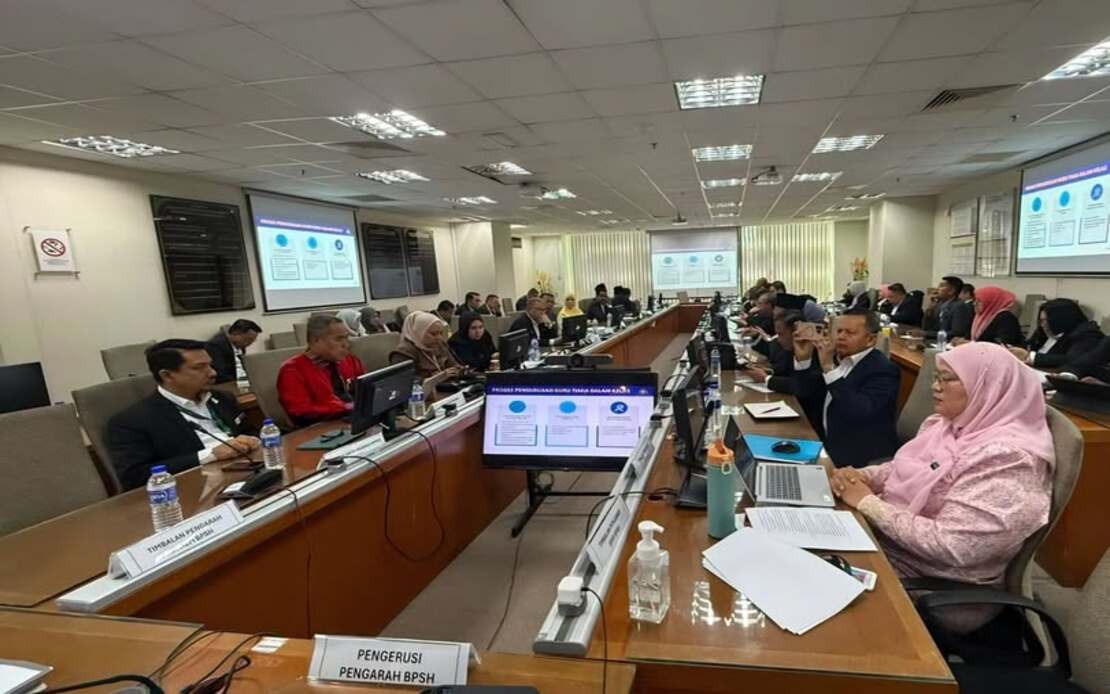
Fadhlina acknowledged that a single policy document cannot address every conceivable situation or resolve all educator anxieties. Consequently, the Education Ministry has intensified engagement sessions and briefings with key stakeholders. These consultations have already included discussions with the National Union of the Teaching Profession, the Human Rights Commission of Malaysia, the United Nations Children's Fund, and numerous non-governmental organisations. Such inclusive dialogue is essential for building legitimacy and ensuring that frontline educators understand their roles and responsibilities without feeling overwhelmed or exposed.
The emphasis on clarity regarding role boundaries and responsibility limits addresses a fundamental concern: teachers need to know precisely where their obligations end and where other professionals take over. In the absence of such clarity, educators often become paralysed by uncertainty, either over-reaching into investigations beyond their scope or under-reporting due to assumption that someone else will handle matters. The policy seeks to establish bright-line distinctions that enable teachers to act confidently within their proper sphere while trusting that the broader system will respond appropriately.
For Malaysian society, this policy evolution reflects growing recognition that child protection cannot be treated as peripheral to education's core mission. Incidents of abuse, exploitation, and neglect within school communities have periodically surfaced in public discourse, prompting questions about institutional safeguarding practices. The policy framework attempts to professionalise responses to these concerns, moving beyond ad-hoc approaches to systematic procedures that protect children while maintaining due process protections for all parties involved.
The regional context matters significantly. Across Southeast Asia, educational institutions have grappled with balancing child welfare imperatives against diverse cultural traditions, parental rights frameworks, and resource constraints. Malaysia's approach seeks to establish transparent procedures that comply with international child protection standards while remaining practicable within domestic institutional realities. The involvement of UNICEF in policy discussions signals alignment with global best practices in school-based child safeguarding.
Fadhlina's repeated emphasis on teacher support and non-culpability reflects political awareness that implementation success depends on educator buy-in. Teachers constitute the largest group of mandated reporters in school systems, making their willingness to report directly proportional to their confidence in protection mechanisms. If educators perceive the policy as a mechanism for scapegoating, it will fail through under-reporting. Conversely, if teachers understand themselves as valued partners in a collaborative system backed by institutional support, reporting rates should improve.
The continuing engagement process that Fadhlina outlined remains critical. Initial policy rollout frequently encounters implementation challenges when frontline practitioners encounter ambiguous situations or institutional barriers. Ongoing briefings provide opportunities to clarify grey areas, address emerging concerns, and refine procedures based on practical experience. Schools will likely need customised guidance addressing their particular vulnerabilities and resource contexts, particularly given disparities between well-resourced urban institutions and under-staffed rural schools.
Looking forward, the policy's success will be measured not merely by its formal adoption but by changed institutional behaviour in schools nationwide. Teachers must perceive that reporting concerns leads to appropriate intervention rather than institutional denial or delayed response. Parents and communities must understand that the framework protects rather than threatens legitimate family interests. And vulnerable children must experience improved safety outcomes within educational environments. These outcomes require sustained commitment beyond policy announcement, including adequate resourcing for training, clear accountability mechanisms for institutional failures, and genuine inter-agency coordination in practice.

