The Selangor government has made headway in formally recognizing indigenous settlements across the state, with more than half of the 74 registered villages now undergoing the official gazetting process. V. Papparaidu, chairman of the Selangor human resources and poverty eradication committee, disclosed this progress during the Jelajah Wanita Berdaya Tahan Selangor 2026 event in Hulu Selangor, signalling the administration's commitment to advancing indigenous land rights and formalization.
The gazetting initiative represents a crucial step towards providing indigenous communities with formal legal recognition and land security. By completing this administrative process, villages obtain statutory protection and clearer delineation of their territorial boundaries, which strengthens community ownership and enables better access to development programmes and government services. Papparaidu expressed optimism that considerable progress would materialize before the calendar year concludes, though he acknowledged the complexity of the undertaking across Selangor's diverse terrain and administrative landscape.
One significant obstacle impeding the gazetting effort stems from overlapping land designations, particularly where indigenous villages occupy territories designated as Malay reserved land. This jurisdictional complication necessitates coordination between multiple government agencies and careful navigation of constitutional provisions protecting Malay and indigenous interests. The committee chairman confirmed that district-level officers would collaborate systematically to untangle these zoning disputes, suggesting a methodical approach to resolving competing land claims rather than rushing the process.
Beyond the immediate gazetting agenda, Selangor intends to extend recognition to indigenous communities not yet formally enumerated in existing registries. This expansion acknowledges that demographic shifts and informal settlement patterns may have created gaps in official records, meaning some legitimate indigenous populations lack formal recognition altogether. Papparaidu's commitment to broadening the scope indicates the government recognizes gazetting as an ongoing rather than concluded endeavour, requiring continuous updating as communities evolve and administrative records improve.
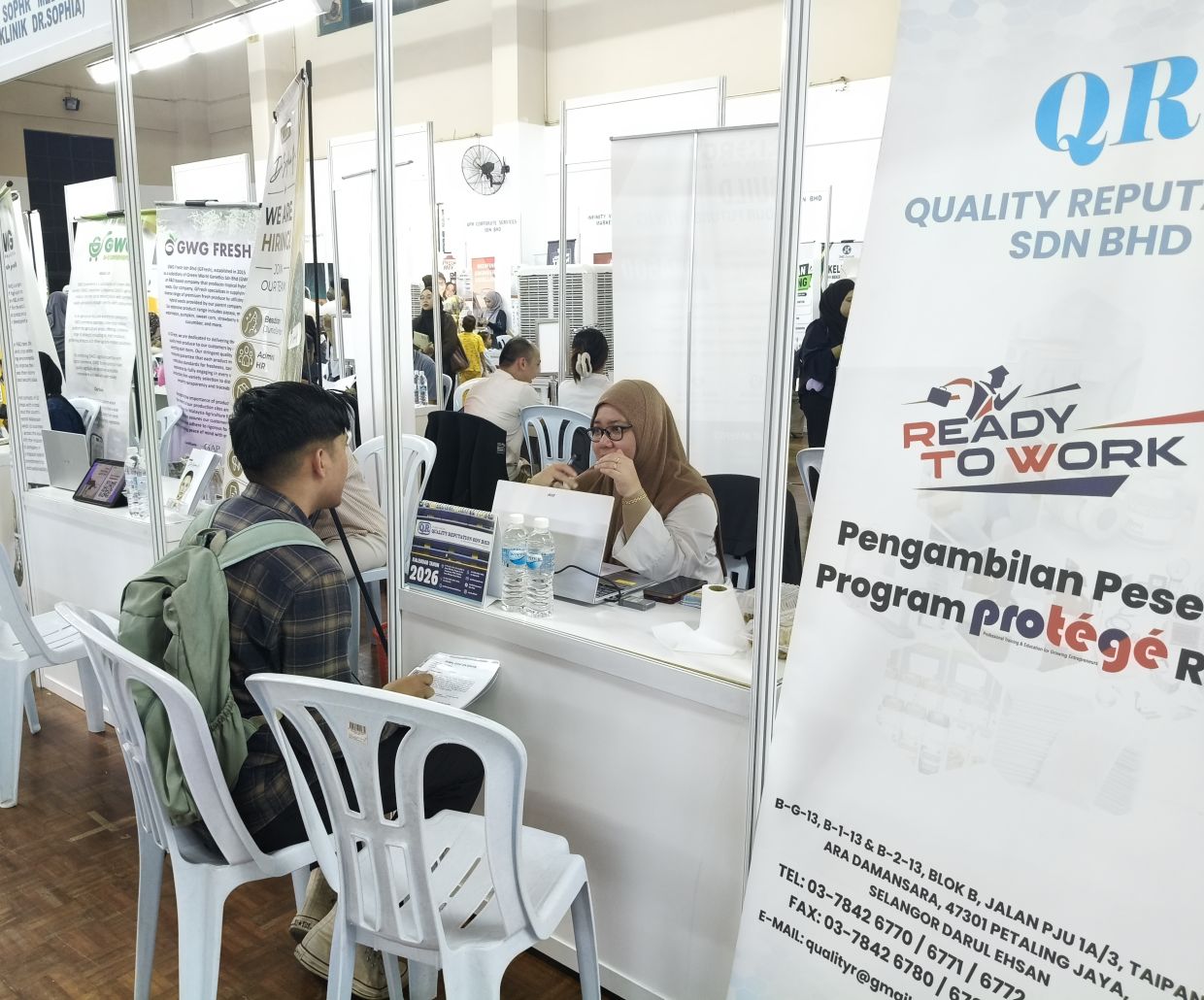
Simultaneously, the Selangor government is addressing broader economic challenges facing youth and vulnerable populations through skills development and employment initiatives. The JobCare Selangor job carnival, held alongside the women's empowerment event, generated considerable momentum in the labour market, with 38 participating companies presenting 5,785 vacancies. While five thousand positions were located within Selangor, the balance extended into neighbouring Perak and Negri Sembilan, reflecting cross-border employment opportunities within the economic corridor.
Manufacturing emerged as the dominant sector seeking workers, accounting for 2,560 of the available positions. This concentration underscores the continuing importance of industrial production in Selangor's economic structure, even as the state navigates the digital economy transition. Notably, the remuneration landscape showed positive characteristics, with nearly two-thirds of advertised positions offering monthly compensation exceeding RM2,500, well above Malaysia's median wage. Management-level appointments commanded substantially higher packages, ranging between RM8,000 and RM10,000 monthly, illustrating income stratification across employment tiers.
The state's technical skills ecosystem has expanded through the Selangor Technical Skills Development Centre, which provides capacity-building courses designed to enhance workforce competitiveness. Papparaidu highlighted an encouraging case study involving twenty to thirty schoolteachers who previously lacked formal tertiary qualifications. These educators had entered the profession directly after completing secondary education, frequently compelled by personal or financial circumstances rather than deliberate career choice. A targeted three-month diploma-equivalent programme resulted in participants obtaining a Level 4 Malaysian Skills Certificate, credentials equivalent to formal diplomas and substantially improving their earning potential within the education sector.
This intervention addresses a persistent structural gap within Malaysia's teaching workforce, where many practitioners lack credentials officially recognized by the education system. By facilitating qualification attainment for mid-career professionals, Selangor demonstrates pragmatic solutions to labour market imperfections. Teachers completing the programme gained immediate salary improvements, demonstrating the tangible economic returns from credential enhancement and validating the investment in upskilling initiatives.
The JobCare carnival incorporated multiple supportive mechanisms recognizing diverse barriers to employment. Talent Corporation Malaysia Berhad operated a career restoration programme targeting mothers re-entering the workforce following child-rearing responsibilities, addressing the persistent participation gap affecting women in Malaysia's labour market. The Social Security Organisation provided resume enhancement services, recognizing that presentation and documentation quality significantly influences hiring prospects. These complementary services indicate sophisticated understanding of labour market friction points beyond simple job matching.
For Malaysian readers, these developments carry implications extending beyond Selangor's administrative boundaries. The indigenous village gazetting process establishes precedent for land formalization affecting broader indigenous rights discussions nationwide. Similarly, the employment carnival and skills development model represent scalable approaches to workforce development that other states might emulate. The manufacturing sector's continued dominance in job creation, combined with respectable wage levels, suggests industrial capacity within the region remains robust despite technological disruption, though the sector's labour demands warrant ongoing monitoring as automation advances.
The convergence of land rights advancement and economic empowerment initiatives reflects integrated policy-making addressing complementary challenges. Indigenous communities securing land formalization gain stronger foundations for economic participation, while skills development programmes directly support household income improvement. For Southeast Asian observers, Selangor's approach demonstrates how regional governments can simultaneously pursue social justice objectives and economic development, challenging narratives that portray these goals as inherently competing.

