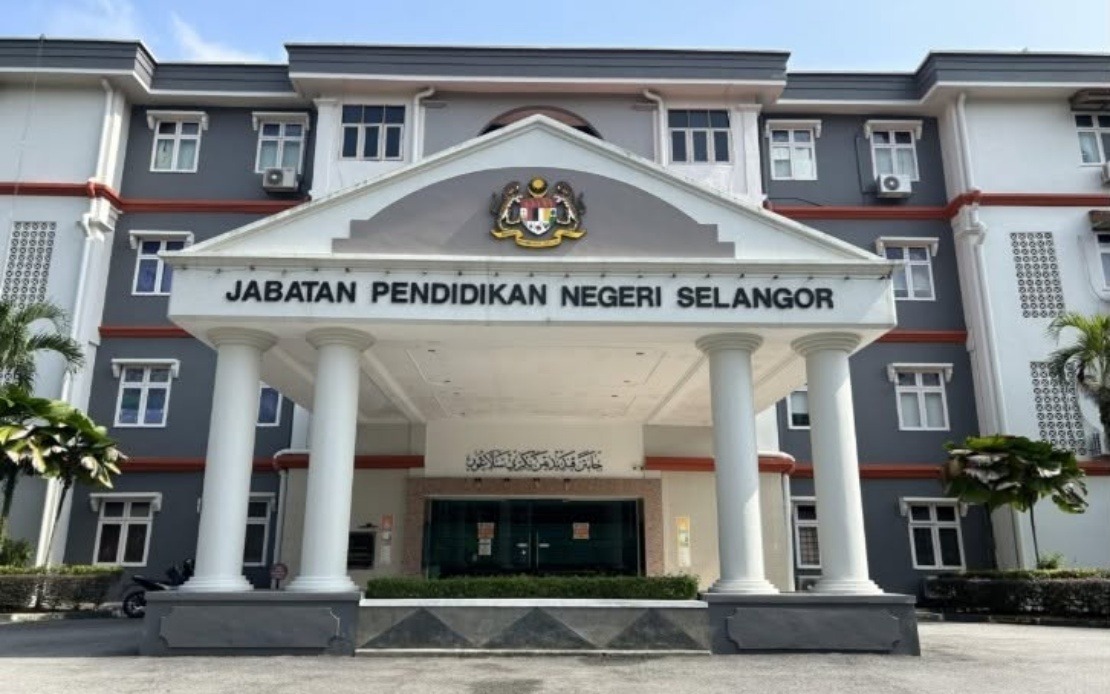
The Selangor State Education Department has pledged unwavering cooperation with authorities investigating a bullying incident at a secondary school in Rawang that captured public attention after a video surfaced on social media platforms. In an official statement released from Shah Alam on July 12, the department made clear that no party involved in the alleged misconduct would receive preferential treatment, signalling the seriousness with which it regards the case.
The emergence of footage depicting student misconduct has triggered a formal police inquiry, with the education department positioning itself as an active participant in establishing the facts. Officials stressed that protecting student safety and ensuring an orderly school environment represent non-negotiable priorities that override all other considerations. The department's unequivocal stance reflects growing public concern about bullying in Malaysian schools and the role of digital media in amplifying such incidents.
Social media has fundamentally altered how school disciplinary matters enter the public consciousness. What might once have remained confined to school-level discussions can now reach thousands within hours, creating immediate pressure on authorities to respond visibly and decisively. The Rawang case exemplifies this dynamic, where the viral spread of footage compelled the education department to issue formal statements and coordinate with law enforcement rather than handle the matter through standard institutional channels.
For Malaysian parents and educators, incidents of this nature raise persistent questions about safeguarding measures within the school system. Bullying, whether physical or psychological, continues to affect student wellbeing and academic performance across the country. The department's commitment to strict action carries significance for how other schools may approach similar situations, potentially establishing precedent for enforcement across Selangor and influencing approaches in other states.
The involvement of police in the investigation marks an important escalation, suggesting that the alleged conduct may constitute criminal behaviour rather than simple disciplinary infractions. This multiagency approach indicates that authorities view the incident with sufficient gravity to warrant both educational and law enforcement scrutiny. The coordination between the education department and police demonstrates institutional recognition that certain forms of misconduct transcend the traditional school disciplinary framework.
Education officials requested patience from the public during the investigation process, asking citizens to refrain from premature judgment. This plea reflects concern that viral outrage on social media could prejudice fair inquiry or subject accused students to disproportionate reputational damage before facts have been established. The balance between public accountability and procedural fairness represents an ongoing tension in contemporary educational governance, particularly when incidents gain online prominence.
The department's assurance that no individual would receive protection speaks to concerns about potential institutional cover-ups or favouritism. In Malaysian schools, perception of unequal treatment—whether based on family connections, socioeconomic status, or other factors—can undermine confidence in disciplinary processes. By explicitly rejecting any form of preferential treatment, authorities attempted to reassure stakeholders that accountability would apply uniformly regardless of students' backgrounds or family prominence.
The broader context of student misconduct in Malaysian schools suggests this incident reflects systemic challenges. Reports of bullying, harassment, and violence recur regularly across media coverage, indicating that single-school interventions, though necessary, address symptoms rather than root causes. Issues including peer pressure, inadequate supervision, limited counselling resources, and evolving digital platforms where harassment occurs outside school premises all contribute to a complex problem requiring multifaceted responses.
For Selangor specifically, this case arrives amid broader scrutiny of education quality and student welfare. The state's education department serves hundreds of thousands of students across numerous institutions, making its approach to high-profile incidents consequential for institutional culture across the entire system. How effectively authorities investigate, adjudicate, and implement consequences will influence whether other schools treat similar matters seriously or with complacency.
The request for public restraint during investigation also reflects evolving sensitivities around online discourse. Unverified allegations and emotionally charged social media commentary can spread rapidly, potentially damaging reputations irreparably even if subsequent investigation reveals more nuanced circumstances. The education department's appeal for measured response acknowledges that in the digital age, administrative investigations compete for public credibility against competing narratives proliferating across messaging platforms and social networks.
Moving forward, this case may prompt Selangor schools to review existing anti-bullying protocols, staff training programmes, and mechanisms for reporting misconduct. Preventative measures—including peer mentoring, counselling services, and digital literacy education addressing online behaviour—could reduce bullying incidents before they escalate to the point of generating police investigations. The incident offers schools an opportunity to examine whether current systems adequately identify and intervene in conflicts at early stages.
The investigation's conclusions will likely receive significant attention not only from the immediate school community but from educators and policymakers across Malaysia. Questions about what led to the alleged bullying, why it escalated to require police involvement, and what disciplinary outcomes result will inform understanding of how the education system addresses student misconduct. This transparency, assuming authorities maintain open communication about findings and consequences, can either reinforce or undermine public confidence in institutional capacity to protect vulnerable students.

