Selangor is emerging as Malaysia's rail transport hub, with the state hosting between 63% and 67% of the nation's rail operations and headquarters. Recognising the sector's long-term potential and employment opportunities, state leadership is charting an ambitious course to transform rail into a defining high-value industry for the region, anchored by investment in human capital development.
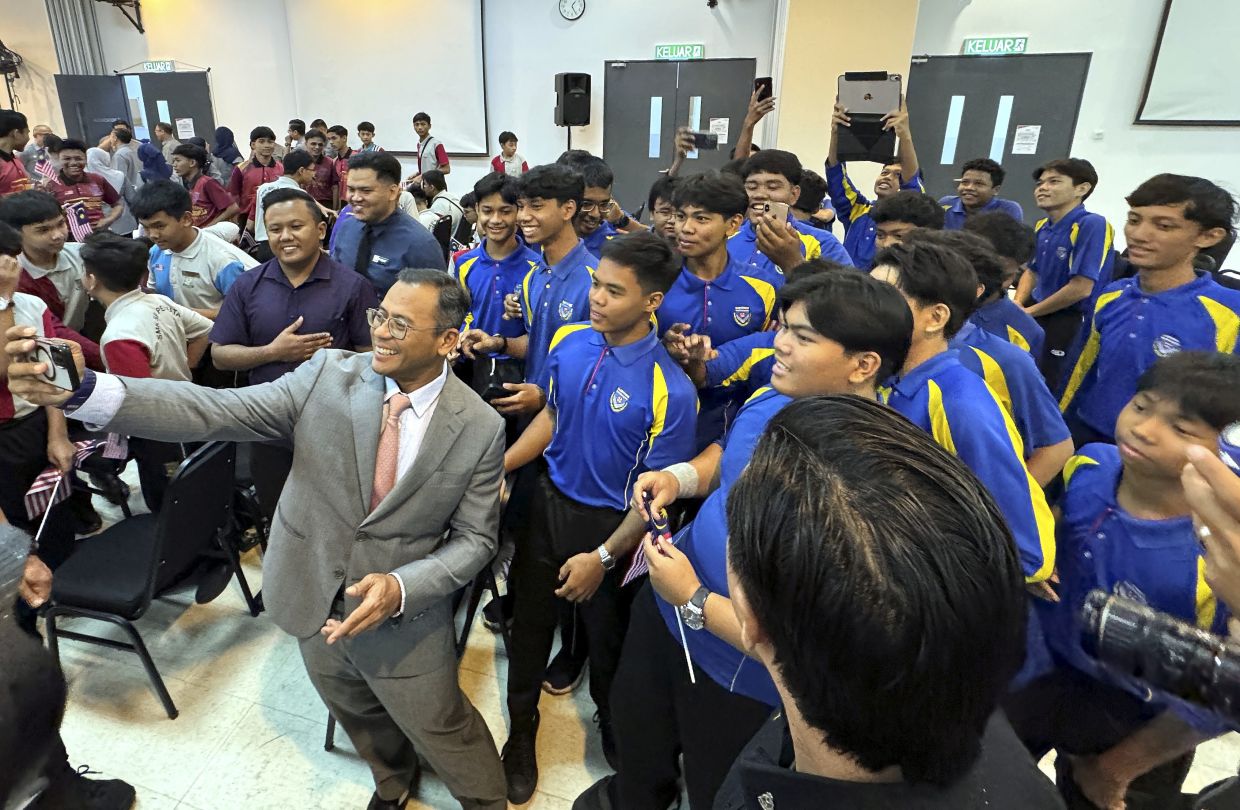
Mentri Besar Datuk Seri Amirudin Shari underscored this vision during an event at Universiti Tun Hussein Onn Malaysia in Sungai Buloh on Wednesday, August 19, where he emphasised that cultivating a pipeline of locally trained experts represents the cornerstone of Selangor's strategy. Rather than relying on foreign expertise, the state is intent on building indigenous capability to sustain and expand the rail ecosystem as major infrastructure projects continue to proliferate.
The commitment took tangible form with the establishment of the Selangor State Rail Council, a dedicated governance structure designed to deepen understanding of the industry's operational landscape and supply chain. The council will focus particularly on identifying and bridging the persistent skills gap that threatens to constrain growth as transport networks expand. This institutional approach signals serious intent beyond rhetoric, placing the rail sector on par with other strategic economic pillars.
During the same occasion, Amirudin presided over the rebranding of Metro System Academy (MSA UTHM) to RailX, marking a symbolic shift toward a more forward-looking identity. The academy, established through partnership between UTHM and Mass Rapid Transit Corporation, has trained thousands of workers and students across modern rail systems, public transport operations, and emerging mobility solutions. The rebrand reflects aspirations to position the institution as a cutting-edge centre of excellence rather than merely a conventional training facility.
The academy simultaneously launched an ambitious treasure hunt programme targeting secondary school students across ten Selangor districts, leveraging selected MRT stations spanning Gombak, Petaling, Hulu Langat, Sepang, Klang, Sabak Bernam, and Kuala Selangor. This grassroots outreach strategy introduces younger generations to career pathways within the rail sector through experiential learning rather than passive classroom instruction. By embedding recruitment messaging within engaging activities across actual operational infrastructure, Selangor is essentially converting its transport network into an extended careers showcase.
The broader educational initiative aligns with Malaysia's Education Plan 2026–2035, reflecting state-level coordination with national priorities. Amirudin framed the treasure hunt as a strategic continuation of efforts to familiarise secondary students with rail industry opportunities before they make critical education and career decisions. This sequencing matters; early exposure during formative years increases the likelihood that high-achieving students will pursue technical qualifications in transport systems rather than migrating toward more conventional professional pathways.
Selangor's approach extends beyond single institutions or programmes. The state has architected a comprehensive technical education ecosystem that begins with the Selangor Technical Skill Development Centre, which provides foundational and intermediate-level training. Graduates can then transition through articulation pathways into diploma and bachelor's degree programmes at UTHM, creating a seamless progression from basic competency through advanced technical study. This vertical integration ensures that workers can advance their qualifications while remaining within the Selangor system, reducing brain drain to competing regions.
The state has strategically positioned MSA UTHM as a linchpin within this architecture, serving simultaneously as a professional certification hub, reskilling platform for existing workers, and upskilling centre for those seeking career advancement. As Selangor's transport infrastructure expands—encompassing LRT3, the East Coast Rail Link, and additional MRT corridors—the demand for technically proficient operators, engineers, and maintenance specialists will intensify. The academy stands ready to absorb this demand through tailored programmes.
Amirudin highlighted the collaborative model underpinning these efforts, describing it as a "triple helix" alignment between government, universities, and industry partners including MRT Corp and Rapid Rail. This three-way partnership proves essential because universities alone cannot anticipate evolving sectoral needs, while industry alone lacks institutional capacity for large-scale training. Government coordination ensures public resources align with genuine demand signals. Such arrangements have succeeded in comparable economies where sustained dialogue between these stakeholders produces agile, responsive workforce development.
The Malaysian context carries particular urgency. Unlike some developed economies where demographic decline reduces transport demand, Malaysia faces the opposite challenge: rapid urbanisation and economic expansion are outpacing transport capacity. Selangor, as the nation's economic engine and most densely populated state, experiences this acutely. The rail sector offers stable employment with relatively strong wage prospects compared to manufacturing or routine services, making it an attractive pathway for ambitious workers. However, labour shortages in specialised roles like signalling technicians, systems engineers, and infrastructure asset managers could become a genuine constraint on expansion if recruitment and training falter.
For Southeast Asian observers, Selangor's model offers instructive lessons. The region faces substantial infrastructure deficits; Malaysia's commitment to building rail capacity ahead of crisis points, combined with deliberate workforce development, contrasts with approaches in neighbouring countries where infrastructure deployment outpaces human capability. Should Selangor succeed in producing surplus skilled rail workers, the state might become a training hub exporting expertise throughout Southeast Asia, further cementing its regional position.
The challenge ahead centres on execution. Rebranding an academy and launching treasure hunts generate welcome momentum, but sustaining enrolments, ensuring curriculum remains responsive to technological change, and guaranteeing employment outcomes for graduates requires discipline and ongoing investment. The state's establishment of institutional structures like the Rail Council suggests commitment to multi-year strategy rather than fleeting initiative. Should these foundations hold, Selangor genuinely could catalyse a virtuous cycle in which expanding rail infrastructure attracts workers, whose skills enable further expansion, attracting additional investment.

