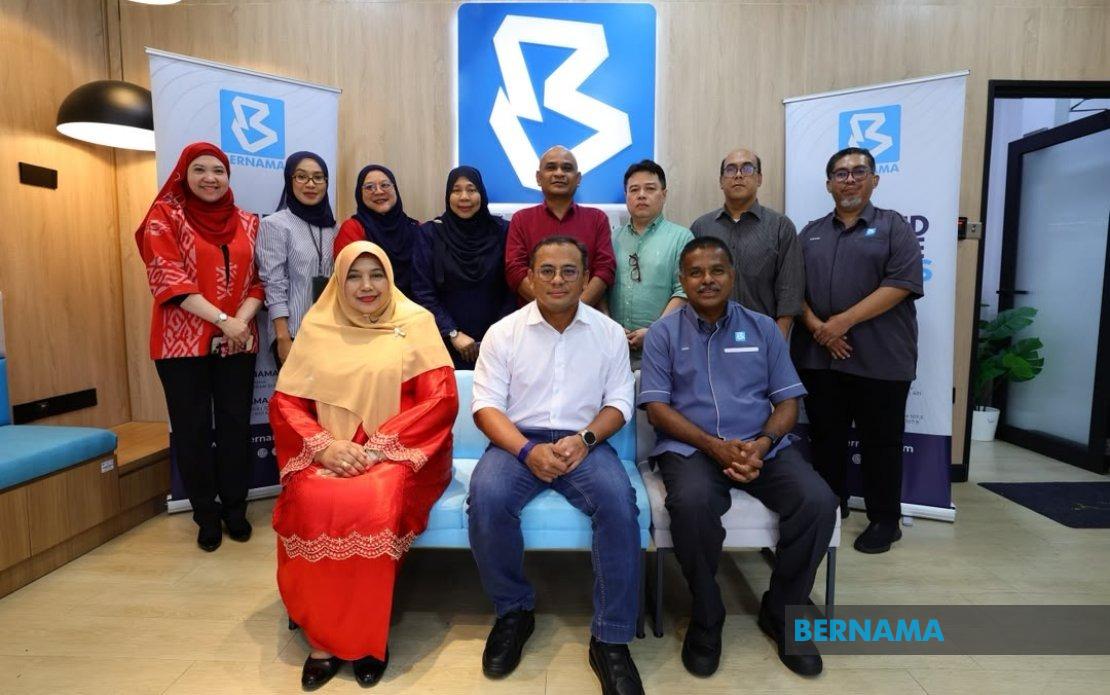
Selangor Menteri Besar Datuk Seri Amirudin Shari made an unscheduled visit to the Malaysian National News Agency's Negeri Sembilan bureau on July 20, where he reviewed the election operations room coordinating the agency's comprehensive coverage of the 16th Negeri Sembilan state election. The visit underscored the high stakes surrounding the poll and the critical role media infrastructure plays in disseminating election information across the peninsula. Amirudin, who doubles as the Pakatan Harapan election director, arrived at the Bernama office at 2 pm where he was formally received by the agency's chief executive officer Datin Paduka Nur-ul Afida Kamaludin and editor-in-chief Arul Rajoo Durar Raj, alongside senior management including deputy editor-in-chief of News Services Mohd Shukri Ishak and Negeri Sembilan bureau chief Nursyabiha Sukri.
During the facility tour, Amirudin received a detailed operational briefing from Mohd Hisham Abdul Rafar, the coordinating editor overseeing Bernama's election coverage, who walked him through the agency's newsgathering strategy as the campaign entered its third day. The discussion centred on how Bernama was managing real-time information flow, verifying reports from the ground, and ensuring balanced coverage across the various constituencies and competing parties vying for state power. This behind-the-scenes look reflected the Pakatan Harapan leadership's keen interest in understanding how news narratives were being constructed and distributed during the election period, a matter of considerable importance given the pivotal role media plays in shaping voter perceptions.
The timing of Amirudin's visit carries particular significance for understanding the political dynamics in Negeri Sembilan, a state where coalition competition remains fierce. As Pakatan Harapan's chief electoral strategist, his presence at the Bernama operations centre signals the coalition's attention to how the campaign narrative is being communicated to voters across multiple platforms. The visit also demonstrated the traditionally cordial relationship between Malaysia's ruling coalition leadership and the national news agency, whose operations rooms during major elections serve as critical information hubs collating reports from across affected constituencies.
Beyond the operational tour, Amirudin is scheduled to participate in a recorded interview with Bernama TV addressing election developments and broader campaign issues, further amplifying the coalition's messaging during this crucial voting period. This media engagement strategy reflects how modern election campaigns rely heavily on coordinated appearances across different news platforms to maintain consistent communication with the electorate. The decision to conduct a formal television interview at the operations centre itself underscores the intertwining of political strategy and media operations during electoral contests.
The Election Commission's timeline for the Negeri Sembilan poll is tightly scheduled, with early voting designated for July 28 and general polling day set for August 1. This compressed timeframe means Bernama's operations room has become a nerve centre of sorts, constantly processing and verifying information from the field while maintaining its editorial standards and commitment to balanced coverage. For Malaysian media observers, the infrastructure behind election coverage remains largely invisible to the public, yet these operations rooms represent the institutional foundation upon which citizens receive their election news.
Negeri Sembilan, though relatively smaller than states like Selangor or Johor, remains politically significant within the broader Malaysian federation. The state election offers insights into whether Pakatan Harapan can consolidate support in middle-tier states following its 2018 federal victory and subsequent challenges. Amirudin's hands-on involvement in the election campaign machinery, including his inspection of news operations, reflects the seriousness with which the coalition treats this contest, recognising that every state election functions as a referendum on federal government performance and coalition viability.
Bernama's role in this ecosystem deserves closer examination for Malaysian and regional readers. As the national news agency, Bernama serves a dual mandate: providing commercially viable news services to media organisations while maintaining government information responsibilities. During elections, this tension between market-driven journalism and state-linked institutional operations becomes particularly acute, though the agency has repeatedly emphasised its commitment to editorial independence and balanced political coverage.
The visit also reflects broader questions about political engagement with media institutions during election periods. While it is standard for political leaders to interface with news organisations and participate in interviews, the formal inspection of election operations facilities remains relatively uncommon and suggests either heightened political interest in the election or particular concerns about narrative management during the campaign. For observers tracking political communication strategies in Malaysia, such visits offer clues about which elections receive priority attention from coalition leadership.
For citizens seeking comprehensive election information, Bernama's dedicated coverage platform has become an important resource, particularly for those requiring systematic, chronological reporting across multiple constituencies and political parties. The agency's commitment to real-time updates during the campaign period ensures that voters and observers can access current information beyond what individual news outlets might provide. This institutional neutrality, even if imperfect, serves a public interest function during competitive elections when multiple parties jostle for visibility and favourable coverage.
The Negeri Sembilan election campaign now enters its critical phase with early voting just over a week away. Political campaigns across Malaysia will continue deploying multiple communication channels, from traditional media appearances to ground-level constituency work, all attempting to influence voter behaviour before August 1. Bernama's operations room will remain active throughout, processing the information flows, verifying claims, and producing the news content that shapes public understanding of electoral contests. Amirudin's visit, while perhaps routine from an administrative perspective, symbolises the political establishment's ongoing awareness of media's role in electoral outcomes and the careful choreography of campaign communications that characterises contemporary Malaysian politics.

