Selangor's critical flood control infrastructure is facing a mounting challenge from organised criminal activity, with vandalism and theft at pump houses inflicting financial damage estimated at up to RM400,000 annually. The escalating problem threatens not only the state's finances but also its ability to respond effectively to flooding—a persistent issue that continues to plague residential and commercial areas during monsoon seasons. State officials have acknowledged the severity of the situation, signalling a coordinated response involving multiple government agencies and law enforcement.
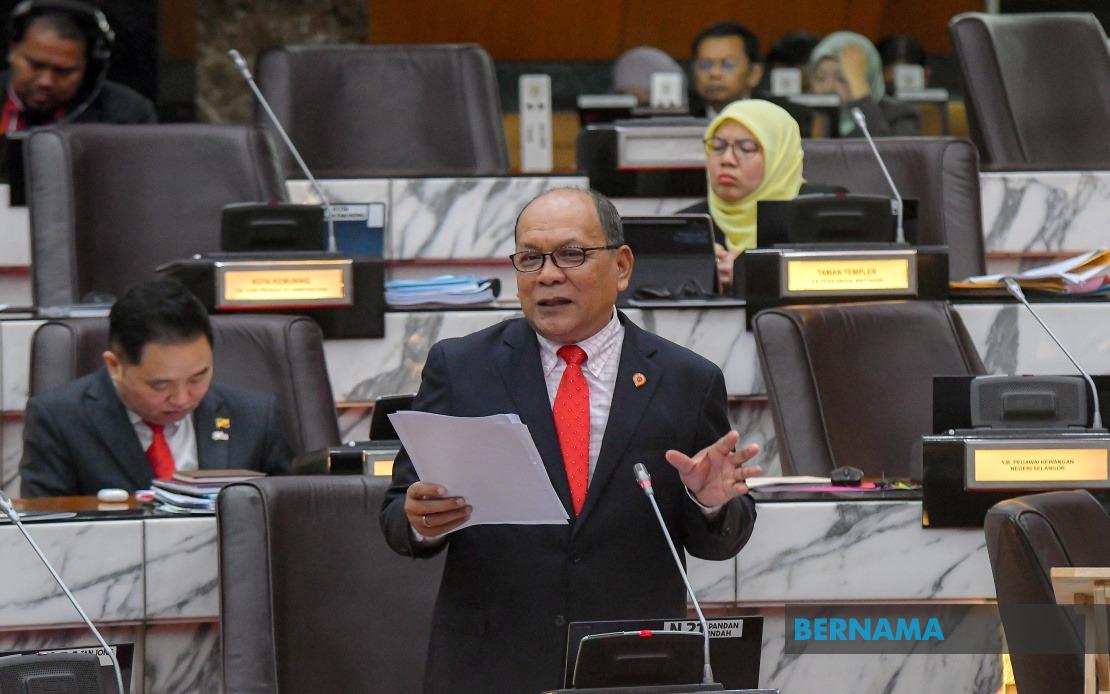
The issue came to light during proceedings of the Selangor State Legislative Assembly when Jefri Mejan, assemblyman for Ijok under Perikatan Nasional, pressed the government on enforcement gaps and the direct correlation between infrastructure damage and prolonged flooding incidents. His questioning reflects growing public concern about why essential water management systems remain vulnerable to theft and sabotage despite their critical importance to public safety and property protection. The query also underscores the political importance of addressing infrastructure security as a governance priority ahead of future election cycles.
Datuk Izham Hashim, chairman of the Selangor Infrastructure and Agriculture Committee, acknowledged the problem during the assembly sitting and outlined a multi-pronged strategy to combat the issue. Rather than treating vandalism and theft as isolated incidents, the state government has engaged directly with the Selangor police chief to coordinate enforcement activities that deter criminal activity and accelerate investigations when breaches occur. This inter-agency approach recognises that infrastructure security requires both preventive technology and active law enforcement presence, rather than reliance on a single intervention.
The Drainage and Irrigation Department and Public Works Department have received explicit instructions to elevate security standards across all pump house facilities. Installation of closed-circuit television systems represents the cornerstone of these enhancements, providing constant surveillance that serves dual purposes: deterring potential offenders through visible monitoring and creating evidentiary records that strengthen prosecutions. Beyond CCTV deployment, the state is evaluating additional physical and procedural security measures, though specific details remain under review pending implementation assessments.
Pump houses form an integral component of Selangor's flood mitigation infrastructure, particularly in low-lying areas where gravity-fed drainage proves insufficient during periods of heavy rainfall. When thieves target pump equipment or vandals disable operational systems, the consequences extend far beyond repair bills. Disabled or compromised pumping capacity during critical weather events can transform manageable flooding situations into disasters affecting thousands of residents and causing losses in the millions. Understanding this cascading impact helps explain why state authorities have escalated the security response beyond routine maintenance protocols.
The nature of thefts at these facilities suggests either sophisticated criminal networks targeting valuable pump components or opportunistic metal scavengers seeking quick returns. Either scenario indicates that secure storage of replacement parts and improved access controls deserve urgent attention. The state's willingness to engage security agencies beyond the police force suggests consideration of dedicated facility guardians or contracted security services, a more resource-intensive but potentially more effective approach than relying solely on patrol-based enforcement.
From a broader Malaysian perspective, Selangor's experience reflects challenges facing urban water management across Southeast Asia's rapidly developing regions. As urbanisation accelerates and populations concentrate in flood-prone areas, water infrastructure theft and vandalism have emerged as persistent problems in states like Johor, Kedah, and Perak. Selangor's policy response may establish benchmarks that other states can adapt, particularly regarding the cost-effectiveness of integrated technology and enforcement solutions compared to reactive repair-and-replace approaches.
The RM400,000 annual cost figure, while substantial, likely underestimates the true economic impact when accounting for indirect losses from flooding caused by disabled infrastructure. Commercial activities halted, residential property damage, health impacts from contaminated floodwaters, and emergency response expenditures all constitute hidden costs borne by affected communities. This broader accounting suggests the true investment case for enhanced pump house security remains considerably stronger than headline repair bills alone would indicate.
Implementation challenges lie ahead as the state translates announced policy into operational reality across dozens of pump house facilities scattered across the Selangor landscape. Coordination between multiple government departments, budget allocation for CCTV infrastructure, training for facility operators, and liaison with police for responsive enforcement all demand sustained administrative attention. Delays in rolling out these measures risk perpetuating the current vulnerability window during which theft and vandalism continue unchecked.
Public awareness also plays a supporting role in this security equation. Communities residing near pump houses can report suspicious activity, and widespread understanding of how vandalism compromises flood protection may encourage residents to actively defend infrastructure in their immediate vicinity. Educational campaigns highlighting the connection between pump house security and personal flood risk could mobilise community vigilance as a cost-effective complement to formal enforcement and technology investments.
The state government's acknowledgment of the problem and public commitment to enhanced security suggest political will exists to address the challenge systematically. However, success ultimately depends on sustained funding, consistent inter-agency cooperation, and realistic timelines that allow for phased implementation rather than overpromising rapid comprehensive solutions. For Malaysian residents in flood-prone areas, effective pump house security represents essential infrastructure protection that indirectly safeguards homes, livelihoods, and community resilience during annual monsoon seasons.

