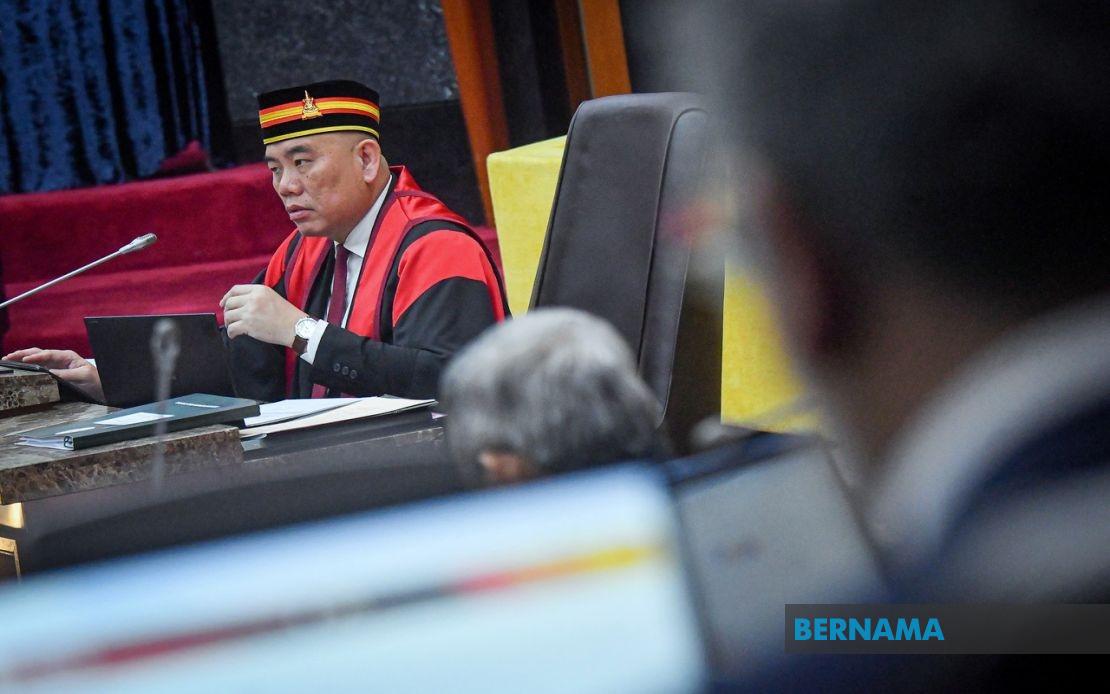
The Selangor State Legislative Assembly Speaker Lau Weng San is methodically examining the credentials and attendance records of all state assemblymen across party lines in a move that could reshape the current composition of the state legislature. The comprehensive audit, which remains underway, will determine whether sufficient grounds exist to declare any assembly seats vacant under constitutional provisions, with the Speaker cautioning that the process demands careful scrutiny of all available evidence before any formal determination is reached.
During proceedings at Wisma Dewan Negeri Selangor in Shah Alam on August 3, Lau emphasised that the investigation encompasses assemblymen from every political faction without exception, reflecting the Speaker's commitment to procedural fairness and constitutional compliance. By conducting a thorough examination regardless of partisan considerations, the Speaker aims to establish a factual foundation for any subsequent decisions regarding seat vacancies, ensuring the process withstands legal challenge and public scrutiny. This inclusive approach addresses potential concerns about selective enforcement or political manipulation, though observers recognise that such reviews inevitably invite speculation about underlying tensions within the state assembly.
When pressed on the timeline for completion, Lau declined to specify a completion date, explaining that the complexity of cross-checking multiple factors precluded any firm estimate. He pledged to issue a comprehensive statement once the necessary verifications had concluded, underscoring that premature announcements could compromise the integrity of findings. The measured pace reflects both the technical demands of the review and perhaps strategic considerations about managing political fallout from any vacancy declarations.
The Speaker also addressed attendance anomalies observed during the day's sitting, where one or two assemblymen were notably absent. Rather than attributing these absences to the ongoing review, Lau cautioned against premature conclusions, noting that members submit various reasons for non-attendance including medical circumstances. Under Selangor's constitutional framework, legislators can only face seat vacancy if they miss six consecutive sittings without authorisation or formal notification—a relatively high threshold that reflects legislative concerns about ensuring adequate representation. The Speaker indicated his office would evaluate each absence case individually, respecting documented justifications while remaining vigilant for patterns suggesting deliberate non-participation.
Parallel to the Speaker's investigation, Menteri Besar Datuk Seri Amirudin Shari signalled that critical decisions on at least one state seat's status would crystallise before the week concluded. The compressed timeline reflects pressure from multiple quarters to resolve the matter, enabling the Election Commission to plan accordingly should a by-election become necessary. This coordination between the Speaker's office and executive branch underscores the significant implications of the review for the state government's parliamentary position and governance mandate.
The Selangor state legal adviser is simultaneously preparing formal documentation to support whatever determination emerges from the Speaker's review, positioning the necessary paperwork for immediate referral to relevant authorities once the Speaker's findings are finalised. This administrative parallel tracking ensures no procedural delays occur between the Speaker's decision and subsequent official notifications. The involvement of the legal adviser also signals that due process and constitutional propriety remain paramount considerations throughout the investigation.
For Malaysian observers, this review carries particular significance given Selangor's status as the nation's most populous state and its economic importance to the federation. Any change in the assembly's composition could influence the balance of power in a state where political dynamics have shifted considerably in recent years. The outcome may also set procedural precedents that other state legislatures might reference when confronting similar attendance or credentials challenges.
The constitutional provision permitting seat declarations after six consecutive unexplained absences represents a mechanism designed to prevent legislatures from becoming clogged with inactive members while protecting assemblymen from arbitrary removal. Lau's application of this threshold underscores the delicate equilibrium between maintaining legislative integrity and respecting members' tenure rights. The Speaker's careful approach reflects awareness that aggressive enforcement could invite accusations of political bias, whereas lenient interpretation might permit members to effectively abandon their responsibilities without consequences.
The review also highlights ongoing questions about legislative attendance and accountability across Malaysia's state assemblies. While federal and state parliaments establish attendance rules, enforcement remains inconsistent, with some speakers more rigorous than others. Lau's comprehensive audit potentially establishes a higher bar for transparency and systematic verification, elements increasingly demanded by Malaysian civil society advocates who view legislative accountability as integral to democratic governance.
Looking ahead, the resolution of this matter will likely demonstrate whether Malaysian legislatures can manage internal discipline matters through constitutional processes or whether political considerations ultimately determine outcomes. The coming week will prove pivotal in revealing both the factual findings of Lau's review and the state government's response to whatever seat vacancy scenario emerges, with implications extending across Selangor's political landscape and possibly influencing legislative practices statewide.

