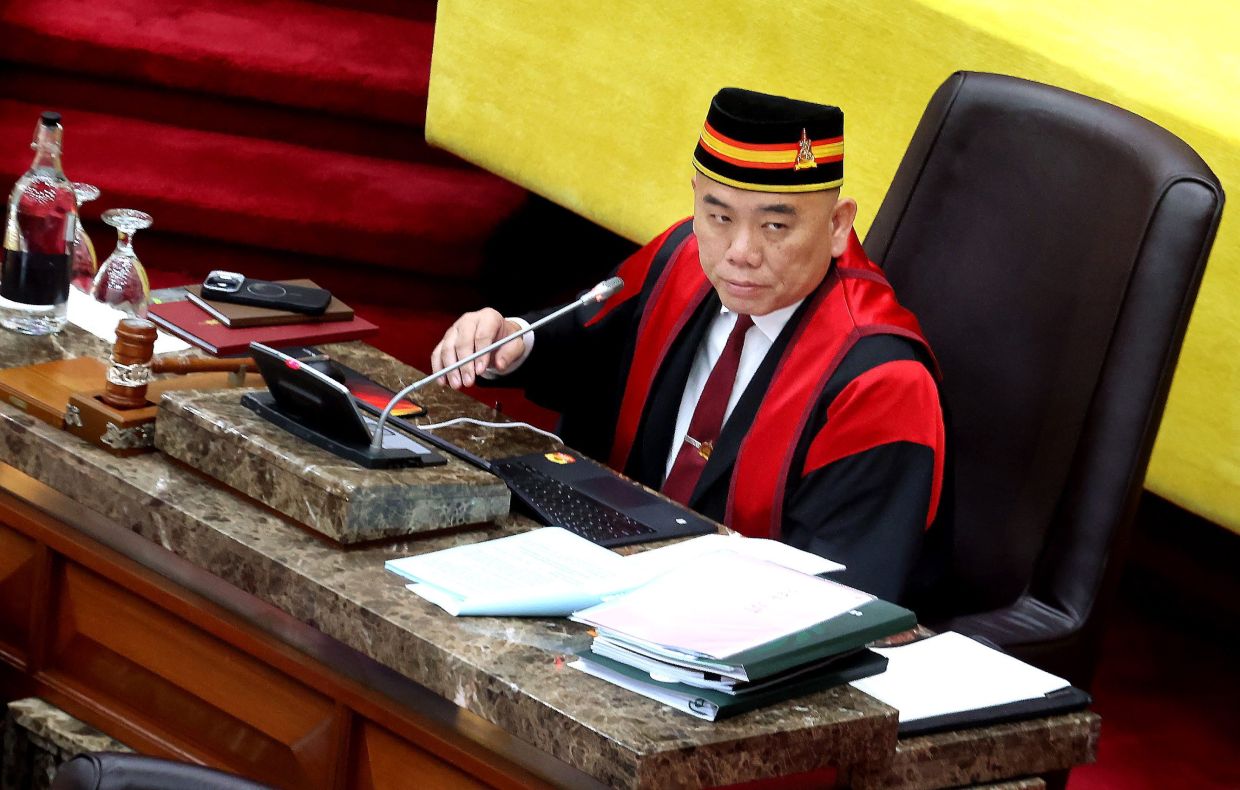
A formal investigation is underway in Selangor following allegations that one of the state's assemblymen has been declared bankrupt, according to Speaker Lau Weng San. During the August 3 sitting of the Selangor State Legislative Assembly at Bangunan Dewan Negeri Selangor, the Speaker acknowledged the probe but stopped short of revealing which lawmaker faces the bankruptcy claims or providing specifics on the investigation's progress. Lau emphasised that no conclusions will be drawn until all evidence has been thoroughly examined, adopting a cautious stance that reflects the sensitivity of such matters in the state legislature.
The scope of the investigation extends beyond a simple verification of bankruptcy status, according to the Speaker's characterisation of the inquiry. Lau indicated that the probe would encompass "all parties, all constituencies and all other relevant aspects," suggesting a comprehensive examination of the circumstances surrounding the allegation. This broader approach suggests that investigators may be looking into whether the circumstances of the bankruptcy involve conduct that bears on the assemblyman's fitness to hold office or compliance with electoral and constitutional requirements. The deliberate emphasis on thoroughness appears designed to ensure that any eventual findings withstand scrutiny and potential legal challenge.
One of the most significant implications of the investigation relates to electoral consequences. Lau made clear that responsibility for determining whether a by-election should be held rests entirely with the Election Commission, not with the state assembly or its Speaker. This delineation is crucial because it prevents the state legislature from becoming entangled in electoral processes and maintains the independence of the commission in such matters. The Speaker's position suggests that investigation findings will be transmitted to electoral authorities, which will then apply relevant legislation to determine the appropriate course of action. For Selangor residents, this means that any by-election decision hinges on both the investigation's outcome and the Election Commission's interpretation of applicable law.
The timeline for completing the investigation remains uncertain. When pressed by reporters, Lau declined to specify when findings might be announced, instead stressing that rushing to conclusions would be inappropriate. His insistence that "we have to be sure of everything first" reflects a recognition that premature announcements could generate unnecessary political turbulence or prove factually incorrect. This deliberate pace also acknowledges that bankruptcy proceedings themselves involve multiple administrative and legal stages, and confirming the accuracy of allegations requires careful verification of official records and circumstances. The unwillingness to commit to a timeline may frustrate those seeking rapid clarity, but it protects both the integrity of the process and the reputation of the assemblyman until facts are definitively established.
Questions arose during Monday's sitting about whether the assemblyman in question was among those absent from the legislative session. The Speaker's response—that assemblymen miss sittings for various legitimate reasons including medical leave—provided a deflection that underscores the difficulty of drawing inferences from attendance patterns. This distinction matters because the Selangor State Constitution establishes a specific mechanism for dealing with persistent absenteeism, separate from the bankruptcy question. Under the constitutional framework, a seat can only be declared vacant when an assemblyman fails to attend sittings for six consecutive months without formal notice to the Speaker. Importantly, this six-month threshold operates independently of any bankruptcy status, and Lau's reminder of this procedure indicates that the investigation into bankruptcy allegations follows a different legal track entirely.
Lau's reference to the case of former Batang Kali assemblyman Harumaini Omar provides instructive precedent for how Selangor handles seat vacancies. Omar's seat was declared vacant on February 16, 2023, following his failure to attend sittings for more than six months without permission. That earlier case illustrates both the mechanism for removing an assemblyman and the time required for such proceedings to run their course. The reference also demonstrates that Selangor's legislative leadership has demonstrated willingness to enforce constitutional requirements when circumstances warrant. However, the Omar precedent involved prolonged absence rather than bankruptcy allegations, suggesting that the current investigation may navigate different legal and procedural terrain.
For the broader Malaysian political context, the investigation highlights ongoing questions about the financial standing and conduct of elected representatives. Bankruptcy of a sitting legislator raises concerns about potential conflicts of interest, vulnerability to financial pressure, or impaired judgment in financial matters. These considerations have influenced provisions in electoral law across Malaysia, though the specific requirements and consequences vary by jurisdiction. The Selangor investigation thus reflects a wider societal expectation that elected officials maintain standards of financial probity and responsibility.
The investigation also touches on governance questions particular to Selangor's political system. The state has experienced considerable political volatility in recent years, with multiple changes in administration and shifting coalition arrangements. Against this backdrop, allegations concerning any assemblyman's status carry implications beyond the individual concerned. The handling of such matters reflects on the assembly's institutions and the credibility of its leadership's management of legislative affairs. Lau's methodical approach appears calculated to ensure that whatever outcome emerges will be defensible on factual and legal grounds, minimising controversy.
The Election Commission's eventual role in this matter underscores the distributed nature of electoral governance in Malaysia. While the state assembly investigates the factual basis of bankruptcy allegations, the federal electoral authority retains power over whether the seat must be contested anew. This division of responsibility acknowledges that different institutions have different expertise and legitimacy—the legislature has detailed knowledge of its own members, while the commission specialises in electoral administration and constitutional requirements. The interplay between these institutions will ultimately determine whether Selangor voters face a by-election and, if so, when it might occur.

