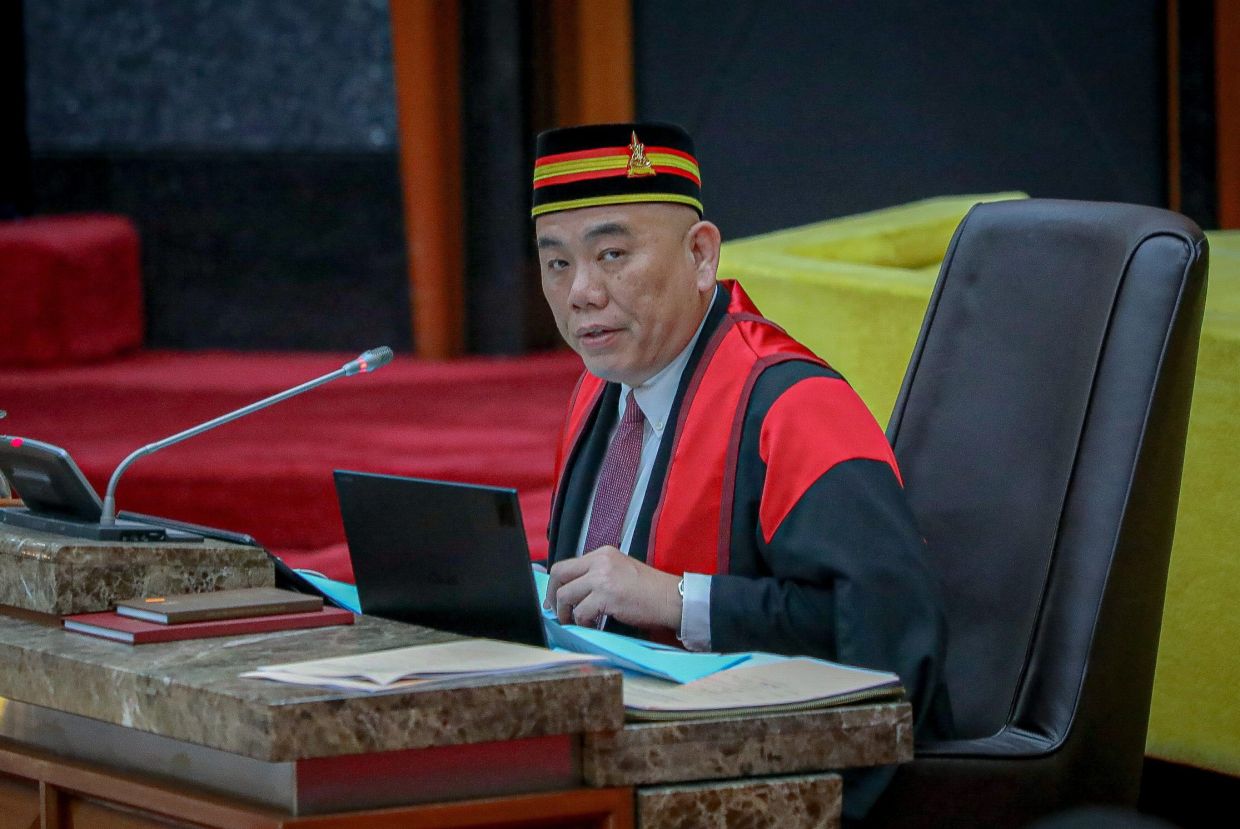
Selangor Speaker Lau Weng San has quashed mounting speculation about potential by-elections in the state legislature by confirming that a comprehensive review found no assemblyman will be required to relinquish their seat. The announcement came during a press conference on the sidelines of the state assembly's Thursday sitting in Shah Alam, bringing to a close weeks of uncertainty that had gripped political circles following earlier concerns about possible vacancies.
The review, completed as of August 10, examined all assemblymen across all political parties represented in the Selangor State Assembly with what Lau described as comprehensive checks covering all relevant aspects. He emphasised that the process involved scrutiny of every member and encompassed multiple dimensions of the evaluation, leaving no grounds for any representative to forfeit their position. The clarification effectively ended months of conjecture that had been fuelled by earlier reports of legal complications affecting at least one state legislator.
Earlier in August, speculation had intensified when a bankruptcy order was issued against a state assemblyman, prompting widespread discussion about the potential triggering of a vacancy and subsequent by-election. The situation created considerable nervousness in political circles, particularly given Selangor's significance as Malaysia's most urbanised and economically important state. However, the High Court subsequently intervened by setting aside the bankruptcy order, effectively removing the legal basis for any forced resignation under provisions governing the tenure of elected representatives.
Beyond the matter of seat vacancies, Lau addressed broader concerns about assembly attendance and commitment to legislative duties. He announced that a list of frequently absent assemblymen would be published on social media, a move designed to increase accountability and transparency regarding participation in state assembly proceedings. The speaker acknowledged that while absences do occur, he sought to encourage members to treat their legislative responsibilities with greater priority, given the relatively infrequent scheduling of assembly sessions throughout the year.
Lau outlined the procedures members should follow when unable to attend, noting that those requiring extended leave should submit written requests to the secretariat. He cited the example of the Bandar Baru Klang representative, who had sought leave following surgical treatment and medical advice to rest for one week, illustrating legitimate circumstances where absence may be unavoidable. Despite these accommodations, the speaker emphasised that members who do not attend miss critical opportunities to pose questions, receive ministerial responses, table proposals, and benefit from important updates delivered during winding-up speeches by executive councillors.
The attendance challenge reflects a systemic issue in the state assembly, with Lau noting that between three and five members are typically absent at each sitting. While Malaysian law does not mandate that assemblymen formally notify the secretariat of their absence, the speaker stressed that members should recognise the opportunity cost of non-attendance. State executive councillors, meanwhile, have been granted discretion to decline responding to queries raised by absent members during winding-up sessions, a measure intended to allocate available time more efficiently toward representatives who are physically present to engage in debate.
Lau made a direct appeal to members to treat assembly attendance as a paramount obligation and to structure their schedules accordingly. He noted that the Selangor State Assembly convenes only approximately three times annually, with each session typically lasting two weeks or less, suggesting that the attendance commitment should be manageable even for busy representatives juggling multiple constituencies and professional responsibilities. He urged assemblymen to defer non-urgent appointments, constituency events, and routine meetings to periods outside the assembly calendar, rather than allowing such activities to clash with their legislative duties.
The speaker acknowledged that certain exceptional circumstances justify absence, specifically citing instances of immediate family death requiring burial within Islamic law's prescribed timeframe. Even in such cases, he noted that partial attendance counts toward the member's record, meaning that representatives who arrive partway through a session are still credited as present. This flexibility suggests an attempt to balance administrative rigour with recognition of genuine personal and family obligations that periodically affect elected officials.
Financially, Lau confirmed that assemblymen receive session-based attendance allowances designed to offset costs and compensate for their participation in legislative work. Members receive RM200 for attending morning sessions and RM150 for afternoon sessions, amounts set to acknowledge the time commitment involved in travelling to Shah Alam and participating in assembly proceedings. These payments, while modest in absolute terms, represent an additional incentive structure intended to encourage regular participation beyond the intrinsic rewards of holding elected office.
The speaker's comprehensive statements signal an effort to professionalise the operations of the Selangor State Assembly and reinforce norms around legislator accountability. By publicly addressing the attendance issue and establishing mechanisms to track and publicise patterns of absence, Lau is attempting to create social pressure and institutional expectations that elevate the professionalism of the state legislature. For Malaysian observers, this development reflects broader conversations about the quality of parliamentary and legislative practice across the country, where attendance and engagement levels have occasionally drawn criticism from civil society and media commentators.
For Selangor specifically, the resolution of the by-election speculation and the concurrent focus on attendance standards come at a significant moment. As Malaysia's industrial and commercial heartland, Selangor's state assembly decisions on development, infrastructure, and socioeconomic policy directly affect millions of residents and businesses. Ensuring that all elected representatives remain in their seats and actively participate in deliberations strengthens the legitimacy and effectiveness of the legislative body in addressing regional priorities and holding the executive accountable to constituents' interests.

