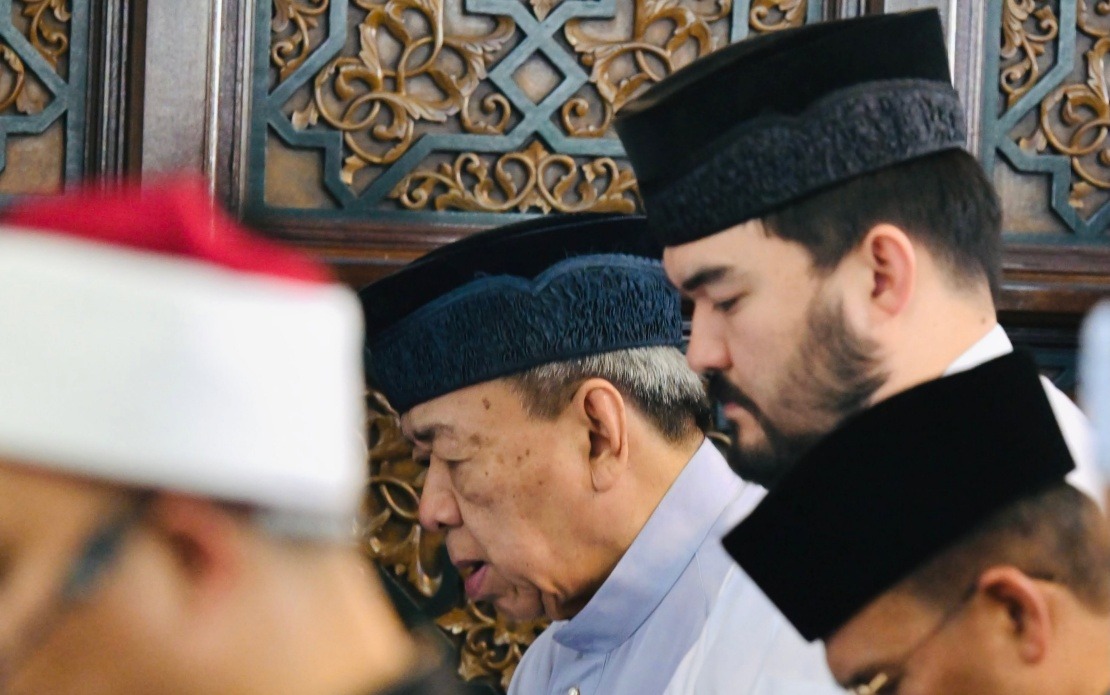
The Sultan of Selangor, Sultan Sharafuddin Idris Shah, has issued a call to the Muslim community to consistently practice kindness towards animals in all their forms, from domestic strays to creatures in their natural habitats. Speaking through a statement released via the Selangor Royal Office, His Royal Highness emphasised the spiritual and moral dimensions of animal welfare as central to Islamic practice, a message that resonates particularly in Malaysia where concerns about stray animal populations and wildlife management remain ongoing public issues.
The Sultan's pronouncement came in conjunction with Friday sermons delivered across Selangor mosques under the theme 'Ihsan Terhadap Mahkluk Allah SWT', which translates to compassion towards the creatures of Allah. By aligning his message with the formal religious discourse in mosques, the Sultan sought to embed animal welfare within the broader framework of Islamic jurisprudence and daily spiritual practice, moving the discussion beyond sentiment into theological grounding. His Royal Highness called upon congregants to reflect deeply on the sermon's contents, treating the message not merely as guidance but as an invitation to personal introspection about one's relationship with the natural world.
Central to the Sultan's message is the concept of human stewardship over creation. As custodians of the earth, humans bear substantial obligations to nurture, defend, and govern the environment in a responsible manner. This stewardship extends comprehensively across the animal kingdom, vegetation, geological features, and aquatic ecosystems. The Sultan framed these diverse elements of nature not as resources for unrestricted exploitation but as manifestations of divine artistry and power, their preservation serving as both a practical and spiritual imperative for believers.
The theological foundation of the Sultan's position draws explicitly from the teachings of Prophet Muhammad, whom Islamic tradition credits with placing remarkable emphasis on the treatment of animals. The Sultan highlighted that Islamic doctrine mandates that believers provide sustenance and water to animals under their care, and at minimum, refrain from inflicting harm or cruelty upon any creature. This principle extends beyond the domestic realm into broader attitudes toward wildlife and stray animals that inhabit shared urban and rural spaces. The framing suggests that compassion toward animals represents not an optional virtue but a fundamental obligation within Islamic ethics.
However, the Sultan's statement demonstrates nuanced reasoning by acknowledging the legitimate tension between animal welfare and human safety. When wildlife presents genuine threats to public security or causes substantial damage to property and livelihoods, Islam permits corrective action, the Sultan explained. This allowance aligns with the Maqasid Syariah, the overarching objectives of Islamic law, which prioritise the protection of human life and the preservation of property rights. The Sultan thus rejected any notion that compassion toward animals must come at the expense of human wellbeing or security.
This theological balancing act carries significant implications for Malaysia's ongoing debates about animal management. The country frequently faces challenges involving stray dog populations in residential areas, crop-raiding wildlife in agricultural regions, and conflicts between human expansion and animal habitats. The Sultan's position provides religious legitimacy for humane population control measures, protective interventions, and reasonable defensive actions, while simultaneously demanding that such actions be undertaken with care and necessity rather than indifference or cruelty. The approach reflects sophisticated Islamic jurisprudence that rejects false dichotomies.
The Sultan characterised animal welfare and human safety not as competing values but as complementary dimensions of Islamic teaching, each occupying its proper place within a comprehensive moral framework. This integration speaks to a broader Southeast Asian context where rapid urbanisation and economic development frequently pit development interests against environmental and animal concerns. By grounding compassion toward animals in religious obligation rather than mere sentiment or Western-influenced animal rights ideology, the Sultan's message offers a distinctly Islamic approach to environmental ethics that may resonate more effectively within Malaysian Muslim communities.
The statement's release through official royal channels underscores the importance placed on this message at the highest levels of Selangor's governance and religious leadership. The Sultan's intervention elevates animal welfare from a peripheral social issue to a matter of theological significance and royal concern. This public leadership on animal compassion by Malaysia's traditional rulers demonstrates how the monarchy can champion progressive values on social issues while maintaining deep roots in Islamic tradition and teaching.
The implications for policy and practice in Selangor could prove substantial. Municipal authorities, animal welfare organisations, and community leaders now possess explicit religious authority supporting more compassionate approaches to stray animal management, habitat protection, and wildlife coexistence. The Sultan's statement may encourage development of more humane policies that balance legitimate safety concerns with ethical treatment, whether through improved animal shelter services, community education programs, or wildlife management practices that minimise suffering.
Moreover, this message contributes to a broader regional conversation about Islam's compatibility with environmental and animal protection values. In Southeast Asia, where religious teaching profoundly influences public attitudes and policy formation, prominent religious figures and leaders embracing comprehensive animal welfare creates cultural permission for believers to prioritise these concerns. The Sultan's articulation demonstrates that animal compassion does not represent a deviation from Islamic orthodoxy but rather its fullest expression.

