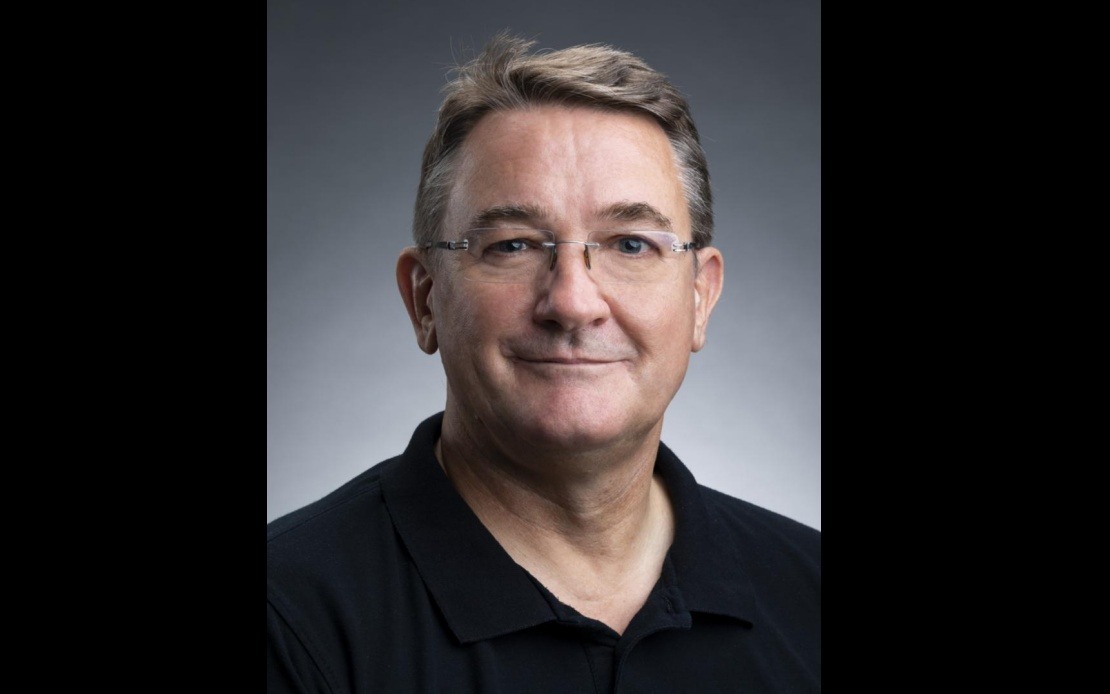
Dr David Lacey, a prominent figure in Malaysia's semiconductor industry and chairman of the Semiconductor Fabrication Association of Malaysia (SFAM), has assumed the role of British Honorary Consul in Penang, marking a strategic appointment that signals deepening bilateral engagement between the United Kingdom and Malaysia's northern technology hub. The 60-year-old takes over from Datuk Robert Hawkins, whose two decades of service concluded this month, bringing substantial industry credentials and established networks to the diplomatic position.
British High Commissioner to Malaysia Ajay Sharma emphasised the significance of this appointment in a statement released by the British High Commission in Kuala Lumpur, noting that Lacey's expertise positions him to strengthen the high commission's efforts across Penang and the wider northern region. The commissioner specifically highlighted technology, digital innovation, and artificial intelligence as priority areas where both nations aim to collaborate, building momentum towards a Strategic Partnership that encompasses economic and research cooperation.
Lacey's appointment reflects a deliberate strategy to embed consular representation within Malaysia's thriving tech ecosystem. Honorary consuls, by their nature, serve as bridges between government institutions and private enterprise, using their commercial standing and professional networks to advance mutual interests. In Penang's case, where semiconductor manufacturing, electronics, and digital services form the economic backbone, Lacey's background offers substantial advantage in facilitating introductions and navigating complex business relationships that might otherwise remain inaccessible to traditional diplomatic channels.
The role encompasses responsibilities that blend diplomatic and humanitarian functions. Beyond nurturing political and commercial relationships with the Penang state government and local business leadership, consular officers provide essential support to citizens abroad. These duties include assisting British nationals facing medical emergencies or legal difficulties, coordinating matters related to the death of UK citizens, and ensuring that the British government can respond effectively during regional crises or natural disasters. For a region prone to monsoon flooding and industrial incidents, such preparedness carries practical weight.
Lacey brings formidable credentials to the position. His career spans multiple continents and represents the kind of international mobility increasingly common among technology executives. He has established and directed research and development teams across Europe and the United States before settling in Penang, where he currently serves as a director of a high-tech semiconductor enterprise. This hands-on management experience distinguishes him from purely political appointees, granting him credibility within corporate boardrooms and understanding of the operational challenges Malaysian tech firms face.
Beyond his commercial role, Lacey holds positions on the boards and advisory bodies most critical to Malaysia's innovation ecosystem. His membership on the board of Collaborative Research in Engineering, Science, and Technology (CREST) and advisory status with the Academy of Sciences Malaysia (ASM) embed him within the country's formal research infrastructure. These connections enable him to champion British academic and technological interests while simultaneously understanding where Malaysian priorities and international ambitions intersect.
Lacey's deep integration into Malaysian society spans more than two decades. Since arriving in Penang in 2001, he has built professional networks, established family connections, and invested in property and business ventures that anchor him to the community. His academic credentials—a Doctor of Philosophy from the University of Sussex, complemented by an Honorary Doctor of Science from Universiti Sains Malaysia conferred in 2021—signify formal recognition of his contributions to Malaysia's economic advancement. Such credentials carry weight in Asian contexts where educational achievements carry particular status.
The decision to appoint someone with such lengthy residency and deep community roots marks a shift toward embedding consular functions within local society rather than rotating career diplomats through postings. This approach suits modern bilateral relationships between developed and developing economies, where informal networks and trust accumulated over years often prove more valuable than protocol and rank. Lacey's quarter-century in Malaysia means he understands local business culture, political sensitivities, and the particular constraints facing foreign enterprises seeking to operate in the country.
From a Malaysian perspective, Lacey's appointment offers tangible benefits for Penang's standing within the broader tech ecosystem. As a state competing with Kuala Lumpur, Johor Bahru, and Cyberjaya for foreign investment and research partnerships, Penang gains advantage through direct representation at the British High Commission. Lacey's ability to facilitate introductions between Penang entrepreneurs and UK investors, technology partners, or academic institutions could catalyse partnerships that might otherwise require expensive intermediaries or remain unfeasible.
The appointment occurs at a moment when UK-Malaysia relations are transitioning toward deeper technology cooperation. Both nations have identified artificial intelligence, semiconductor design, and digital infrastructure as strategic priorities. A semiconductor industry expert embedded in Penang—the very location of Malaysia's largest electronics manufacturing cluster—positions the UK favourably for conversations about joint ventures, technology transfer agreements, and training partnerships that could yield commercial benefits for both sides.
For British nationals in Penang and the northern states, Lacey's appointment provides representation from someone who understands local administrative procedures, healthcare systems, and legal frameworks accumulated through genuine daily experience rather than orientation briefings. This matters profoundly when British citizens face emergencies or require intervention from their home government. An honorary consul who speaks the informal language of Penang's business community and possesses standing within local institutions can navigate bureaucratic channels more effectively than a stranger to the city.
Lacey's elevation also carries symbolic weight for Malaysian professionals aspiring to public service or diplomatic engagement. His path—building technical expertise, achieving commercial success, gaining recognition through honorary doctorates, and ultimately serving national development objectives through official appointment—demonstrates that contributions to Malaysia's progress can lead to formal recognition and expanded influence. This may encourage other long-term foreign residents with substantial Malaysian stakes to consider similar engagements with their home governments' diplomatic services.
The transition from Datuk Robert Hawkins, whose 20 years represented continuity and gradual relationship-building, to Lacey, whose semiconductor expertise aligns with current strategic priorities, suggests the British High Commission's evolving focus. Rather than maintaining historical diplomatic presence through generalist representatives, the commission appears increasingly interested in staffing key posts with specialists who can accelerate substantive partnership in targeted economic sectors. This recalibration reflects realistic assessment of where UK-Malaysia cooperation generates mutual advantage.

