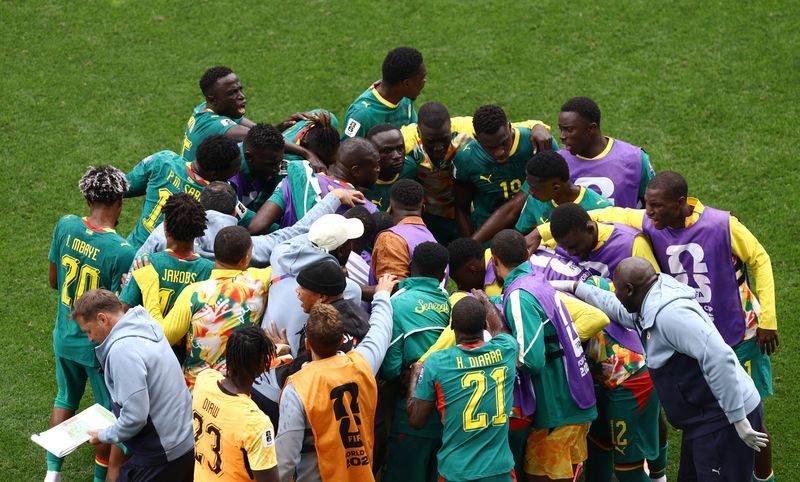
Senegal's football federation has ignited a controversy over its medical support infrastructure, with federation president Abdoulaye Fall publicly questioning whether the team doctor possessed adequate qualifications for the role during the recent World Cup in North America. The allegation emerged during a post-tournament assessment on Monday, as officials examined what went wrong during a campaign that fell short of expectations for a squad considered African champions following their Africa Cup of Nations victory earlier in the year.
Fall stated at a press conference that the team doctor, identified as Abderahmane Fediore, held training credentials in gynaecology rather than sports medicine—a revelation that allegedly surfaced late in the preparation process. The federation president indicated that this discovery had generated significant unease within the squad, with players questioning the calibre of medical coverage available to them during matches and training sessions. The timing of this disclosure, coming only as the tournament approached, reportedly left insufficient opportunity to address player concerns comprehensively.
The federation responded to player anxiety by seeking supplementary medical expertise to bolster confidence in the support structure. Fall emphasised that securing "convincing expertise" was essential to reassure the squad that their health and safety remained paramount. This reactive approach suggests that medical preparedness had not been adequately vetted before the tournament commenced, raising questions about the federation's planning processes for such a significant competition.
However, the Senegalese Association of Sports Medicine has categorically rejected these claims as "unfounded and defamatory." In a statement released Monday evening, the medical body defended Fediore's credentials, noting that he holds a specialist diploma in sports medicine and sports biology from Cheikh Anta Diop University's faculty of medicine. Rather than representing a career switcher without relevant experience, Fediore's background reflects substantial involvement in sports healthcare, having previously managed the physiotherapy department at Fann Hospital, one of Senegal's leading medical institutions.
The professional history outlined by the sports medicine association demonstrates continuity in Fediore's engagement with national team duties. He has served as Senegal's team doctor since 2017, a tenure spanning three World Cups and five Africa Cup of Nations tournaments. This extended track record suggests either that his qualifications were adequate for previous campaigns or that any deficiency had been tolerated for years without public censure. The timing of raising concerns now, immediately after disappointing results, invites questions about whether this represents legitimate medical oversight or scapegoating after an unsuccessful tournament.
Senegal's World Cup performance certainly warranted analysis and accountability measures. The squad had entered the tournament as African champions following their January victory over Morocco in the Africa Cup of Nations final, carrying expectations of competitive engagement at the global stage. However, the campaign unravelled early, with the team losing both opening group matches to France and Norway—results that effectively ended realistic qualification hopes before knockout rounds even approached.
The subsequent exit in the final stages reinforced the sense of underperformance. Against Belgium, Senegal surrendered a two-goal advantage with mere minutes remaining in regular time, ultimately succumbing 3-2 in extra time. This collapse suggested difficulties in match management, concentration, or tactical execution rather than medical support issues. Such late-stage mistakes typically reflect preparation and mentality rather than the availability of physiotherapy or injury management.
In response to these disappointing results, the federation dismissed head coach Pape Bouna Thiaw on Saturday. This managerial change represents the conventional accountability mechanism in professional football, where poor tournament outcomes typically result in coaching staff being removed. The subsequent public questioning of medical staff qualifications appears to broaden the internal inquiry into what caused the campaign's failure, possibly deflecting attention from broader strategic and tactical considerations.
For Malaysian and Southeast Asian observers, this dispute illuminates persistent governance challenges within African football administration. The Senegalese federation's handling of medical credentials—apparently overlooking them until tournament pressure mounted—mirrors broader patterns of incomplete institutional development in regional sports bodies. The absence of robust pre-tournament vetting processes, combined with defensive reactions when issues surface, creates cycles of crisis management rather than systematic improvement.
The incident also raises practical questions about professional standards in sports medicine across the continent. Whether Fediore's qualifications genuinely satisfied international standards for World Cup-level care remains unclear given the competing claims. What appears evident is that Senegal's federation failed to establish transparent, clearly documented medical protocols before committing to major tournaments, leaving room for disputes that undermine team cohesion.
Looking forward, the federation faces pressure to clarify what specific medical gaps allegedly existed and how they have been remedied for future competitions. Transparent documentation of medical staff qualifications, independent verification of credentials, and comprehensive pre-tournament audits would prevent similar controversies. Until Senegal's football authorities institute such systematic processes, questions about preparation standards will inevitably surface after disappointing results, diverting focus from genuine football development needs.

