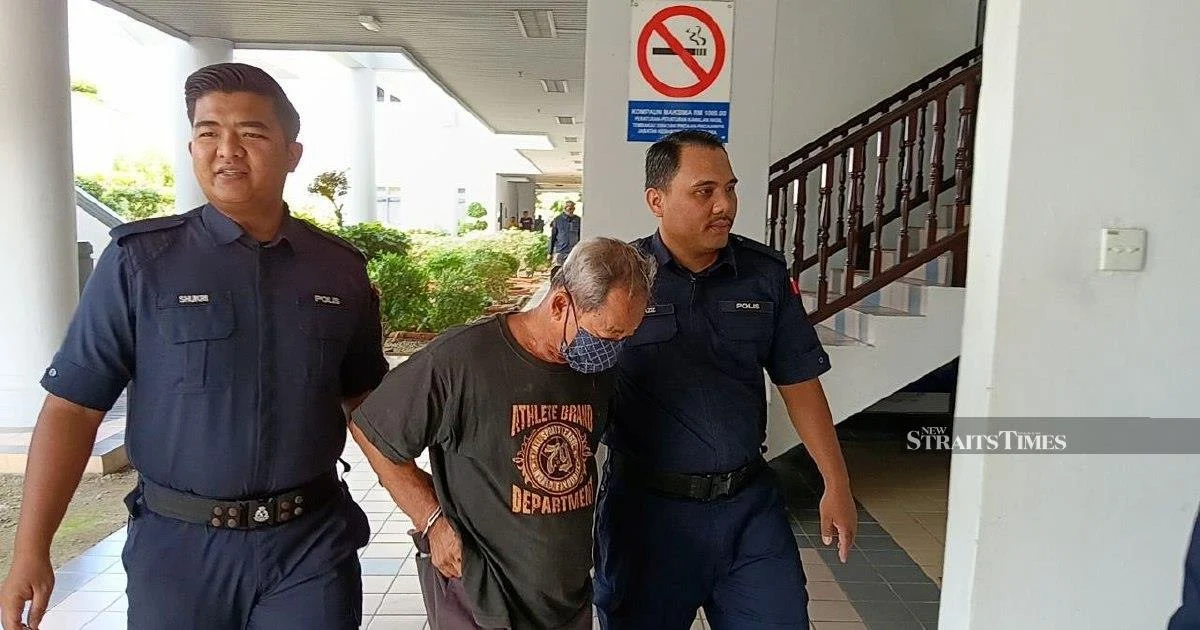
A senior citizen made his first court appearance in Melaka today, facing two serious charges related to the sexual assault of primary schoolgirls. The accused appeared at the Ayer Keroh Sessions Court where the charges were formally read, marking the beginning of legal proceedings in a case that underscores persistent vulnerabilities within Malaysia's child protection framework.
The specificity of the charges—two counts of physical sexual assault—indicates distinct incidents involving separate victims, both of whom attended primary school. Such cases typically involve thorough investigation by authorities, with evidence gathering conducted according to established protocols designed to protect young witnesses while building a credible prosecution.
The alleged offences carry significant legal weight in Malaysia's criminal justice system. Sexual assault cases involving minors are treated with considerable severity, reflecting both the vulnerability of child victims and society's commitment to protecting young people from exploitation. Conviction on such charges can result in substantial prison sentences and mandatory registration on the sex offender registry.
The location cited in court documents—reportedly a mosque storeroom—suggests the incidents occurred within a community space. This detail is particularly significant as mosques are considered sacred and secure community gathering points, especially for religious education and social activities. The alleged breach of this trust raises broader questions about institutional safeguarding procedures and supervision within religious facilities that regularly interact with young people.
For Malaysian parents and educators, this case serves as a stark reminder of the importance of implementing comprehensive child safety protocols. Schools across the country have increasingly emphasized programmes teaching children to recognize inappropriate behaviour and report concerns to trusted adults. Similar awareness campaigns within religious and community organizations remain critical prevention measures.
The Ayer Keroh Sessions Court's handling of this matter will likely draw public attention, particularly given ongoing national discourse around child safety. Media coverage of such cases, while sometimes sensitive, plays an important role in maintaining public awareness about child protection issues and the legal consequences of exploitation.
Court proceedings in sexual assault cases involving minors typically involve careful management of evidence and witness testimony. Malaysian courts implement special measures when young witnesses are involved, recognizing the psychological impact of testifying about traumatic experiences. These procedural safeguards aim to balance the rights of the accused with the protection and dignity of victims.
The broader implications extend beyond this individual case. Malaysia's criminal justice system has been increasingly scrutinized regarding its capacity to effectively investigate, prosecute, and adjudicate sexual crimes. Child protection agencies, police units, and the courts themselves have expanded their specialization in this field, though advocates argue additional resources remain necessary.
Community organizations throughout Malaysia working on child protection have emphasized that safeguarding requires coordinated effort across multiple sectors. Schools, religious institutions, law enforcement, and families must share responsibility for creating environments where children feel safe reporting concerns. The existence of mechanisms enabling disclosure—whether through school counsellors, trusted community figures, or dedicated helplines—significantly impacts whether potential victims come forward.
The investigation leading to these charges likely involved collaboration between local police and specialized units trained in handling sensitive cases involving minors. Gathering evidence while minimizing re-traumatization of young witnesses requires particular expertise and careful handling of sensitive information. The Melaka police and prosecution team would have followed established guidelines governing such investigations.
As the case proceeds through the court system, it will illuminate various aspects of Malaysia's child protection legal framework. The specific charges, evidence presented, and ultimate judicial outcome will provide important reference points for understanding how the criminal justice system addresses such offences in contemporary Malaysia.
For the wider Southeast Asian region, Malaysia's handling of such cases contributes to regional standards and practices regarding child protection. Neighbouring countries often observe judicial outcomes and procedures, particularly in high-profile cases involving vulnerable populations. The effectiveness and transparency of Malaysia's response influences regional perceptions of child safety commitment.
Ultimately, this case underscores an uncomfortable reality: protecting Malaysian children from sexual exploitation requires sustained vigilance, adequate resources, institutional accountability, and community engagement. As the Ayer Keroh Sessions Court process unfolds, it will serve as another test of whether Malaysian institutions can effectively safeguard young people while ensuring justice through fair legal proceedings.

