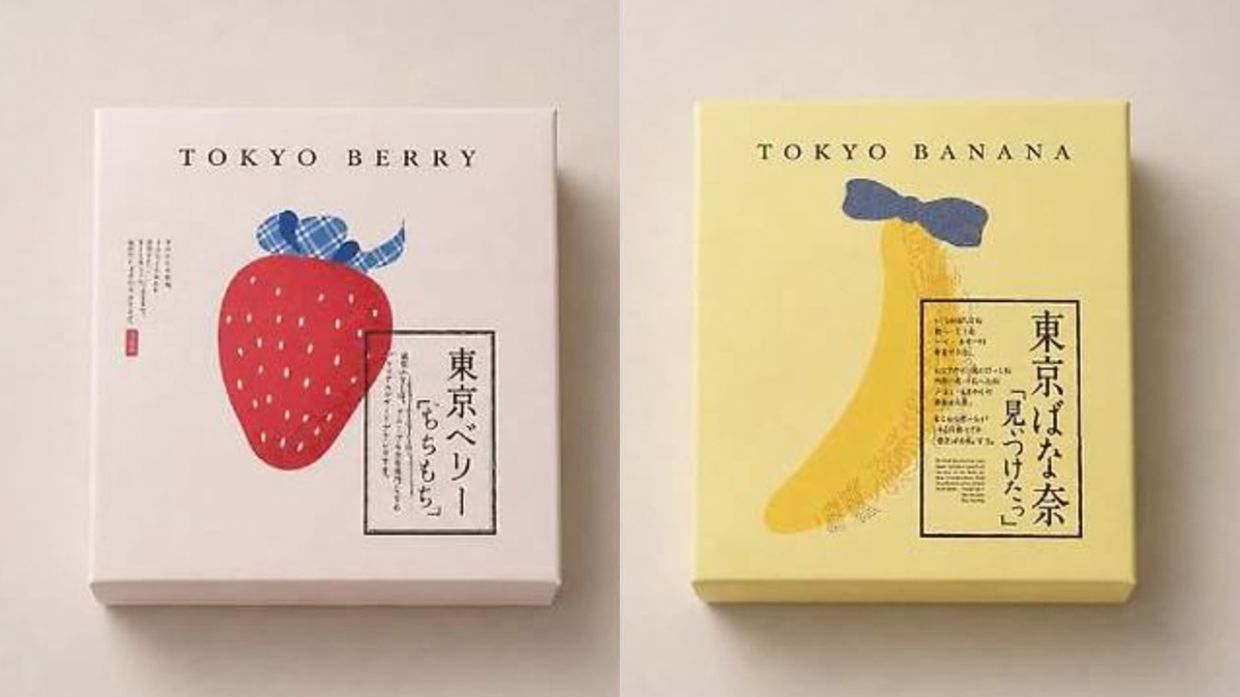
A newly launched South Korean dessert brand has ignited a significant public relations crisis after being accused of deliberately copying the packaging and branding of Tokyo Banana, an established Japanese confectionery product manufactured by Grapestone. The allegations have snowballed from social media observations into a full-blown controversy that extends beyond mere visual similarities, touching on broader questions about intellectual property protection and consumer transparency in the region's competitive dessert market.
Tokyo Berry entered the South Korean market with considerable initial fanfare, establishing pop-up stores at major retail anchors including Lotte and Shinsegae department stores. The brand's launch strategy focused on creating an aspirational image tied to Japanese culinary traditions and seasonal fruit flavours, successfully drawing substantial customer queues to its retail locations. However, this momentum came to an abrupt halt when observant consumers began posting side-by-side comparisons online, revealing striking parallels between Tokyo Berry's product presentation and packaging with that of the established Tokyo Banana brand.
The marketing messaging employed by Tokyo Berry appears to have compounded the confusion. The brand's promotional materials deliberately invoked Japanese cultural references, with taglines emphasizing the brand's connection to Tokyo and seasonal fruit essences. For many consumers unfamiliar with Tokyo Berry's actual Korean origins, this marketing approach created a misleading impression that the brand was a Japanese import or operated under some form of partnership with Japanese producers. Only after discovering Tokyo Berry's domestic provenance did significant portions of the online consumer base begin questioning whether the similarities in visual presentation were coincidental or intentional.
The backlash has been particularly fierce within Korean online communities, where some users characterized the situation as representing a national embarrassment. This sentiment reflects deeper sensitivities around intellectual property practices and brand authenticity in South Korea, a nation with its own globally recognized food and beverage brands increasingly facing the challenge of building international recognition. The fact that a Korean company appeared to be leveraging another nation's brand recognition to gain market traction struck many as undermining legitimate Korean innovation in the premium dessert sector.
Department store operators have responded swiftly to the controversy. A spokesperson from one of the major retailers informed The Korea Herald that all future Tokyo Berry pop-up store arrangements have been cancelled, effectively pulling the brand from its primary retail channels just as the product was gaining consumer awareness. This decisive action underscores how seriously South Korea's retail establishments view brand integrity and consumer protection issues, particularly when allegations involve potential trademark or design plagiarism.
The controversy has expanded beyond accusations focused solely on Tokyo Banana comparisons. Industry observers and consumers have also drawn attention to Tokyo Berry's inner packaging design, alleging it mirrors materials and techniques employed by Hanjungsun, another premium Korean dessert manufacturer known for utilizing hanji, or traditional Korean paper, in its packaging for chapssaltteok rice cakes. These dual allegations suggest a pattern of design borrowing that extends across multiple dimensions of the product's presentation, rather than representing isolated coincidences.
Tokyo Berry management has attempted damage control by restricting its social media presence, removing promotional Instagram content and disabling comments on remaining posts. These actions, while perhaps intended to halt the spread of criticism, have generally reinforced consumer perceptions that the brand acknowledges legitimate concerns regarding its design choices. The absence of transparent communication addressing the specific allegations has left a vacuum filled by consumer speculation and intensified scrutiny.
Grapestone, the Japanese company behind Tokyo Banana, has officially acknowledged that it is reviewing the matter with relevant internal departments. In a statement provided to local Korean media outlets, the company confirmed it has escalated the issue for formal examination, signalling that Japan's established confectionery industry is prepared to defend its intellectual property rights if necessary. The company's restrained but clear response indicates it is taking the matter seriously while reserving more significant action pending a detailed review.
This incident occurs within a broader regional context of increasing competition among Asian dessert brands vying for premium market positioning and cross-border recognition. As South Korean food companies have achieved greater international prominence over the past decade, protecting design integrity and brand distinctiveness has become increasingly important. The Tokyo Berry controversy highlights how quickly consumer awareness and social media scrutiny can amplify allegations of copying, potentially inflicting lasting damage to a brand's reputation before formal legal proceedings or intellectual property claims are even filed.
For Malaysian and broader Southeast Asian readers, this incident offers instructive lessons about the importance of original design in competitive premium food markets, where visual presentation and packaging increasingly serve as primary differentiators. As regional dessert and confectionery brands seek to expand across national markets, maintaining clear brand distinction and transparent marketing becomes essential for building consumer trust and avoiding the type of reputational damage Tokyo Berry has experienced.
The situation also underscores how interconnected Asian markets have become, where domestic product launches can trigger immediate regional scrutiny and comparison with established international competitors. In an era when information travels instantaneously across borders through social media platforms, brands operating across Asia must exercise heightened diligence regarding design originality and marketing authenticity to preserve their market positioning and corporate reputation.

