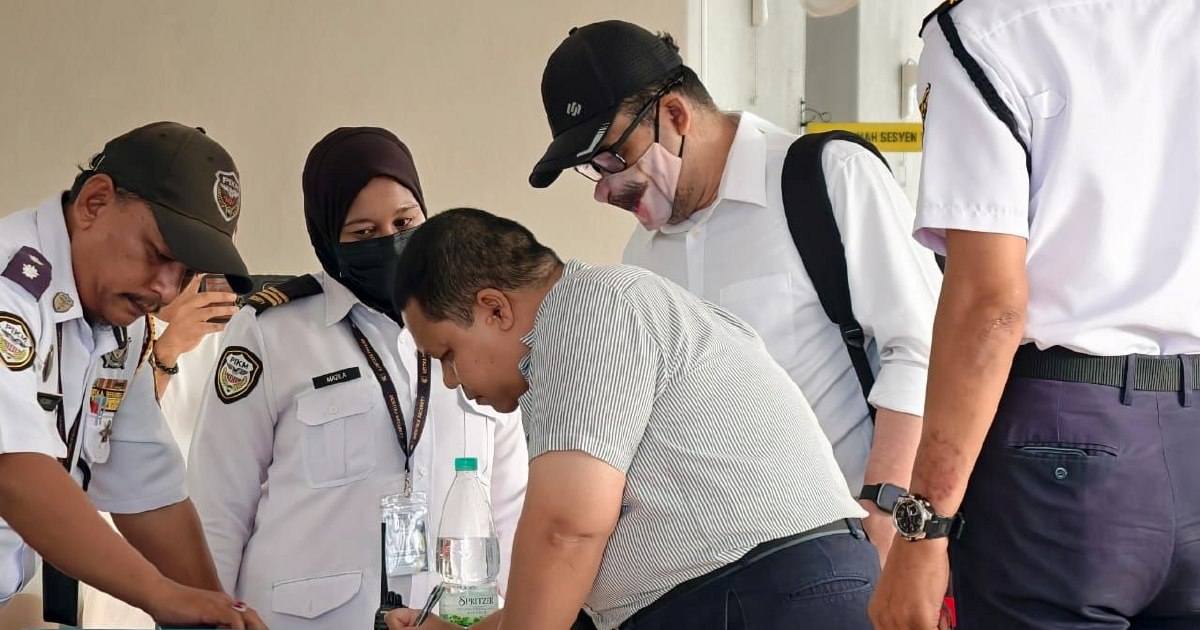
A preschool teacher in Seremban has been brought before the Sessions Court to face serious criminal charges stemming from allegations of sexual misconduct involving a young pupil under her care. The defendant appeared in court today facing two counts related to the commission of physical sexual assault against an 8-year-old male student, with the alleged offences occurring during the month of April.
The charges mark a significant development in what constitutes one of the more troubling categories of child abuse cases in Malaysian courts. Such allegations involving educators in positions of trust and authority over young children carry profound implications not only for the victim and his family, but also for questions surrounding safeguarding protocols within educational institutions across the country.
The case underscores ongoing concerns within Malaysia's early childhood education sector regarding background screening procedures, staff vetting mechanisms, and the implementation of protective measures designed to shield vulnerable young learners. Educational establishments serving preschool-age children operate in an environment where students are naturally dependent on caregivers, making institutional oversight and transparency especially critical.
The jurisdiction of the Sessions Court in Seremban indicates the severity with which local authorities are treating these charges. The specific nature of the allegations—physical sexual assault rather than other possible categories of offence—suggests that investigators have gathered evidence they believe demonstrates direct bodily contact constituting a criminal act.
For the child victim and his family, this legal proceeding represents a crucial moment in seeking justice and accountability. The Malaysian criminal justice system recognises the particular vulnerability of child witnesses in such cases, and courts typically employ specially trained personnel and modified questioning procedures when hearing evidence from young complainants to minimise additional trauma.
The incident's occurrence in April means there has been an interval between the alleged misconduct and the court appearance, suggesting that investigation processes, including interviews with the child, examination of physical evidence, and statement-gathering from school staff and other witnesses, have proceeded through established channels with relevant authorities including the Royal Malaysia Police and child protection agencies.
This development will likely intensify scrutiny on how preschools and early childhood centres across Malaysia conduct their recruitment and ongoing monitoring of teaching staff. Standards for background checks, criminal record screening, and professional conduct evaluations represent essential protective mechanisms, yet their consistent implementation across private and public institutions remains an area requiring continuous improvement and resources.
The case also highlights the critical role that educational institution protocols play in identifying concerning behaviour. Mechanisms enabling teachers, support staff, and other school personnel to report suspected child abuse, combined with clear escalation procedures and partnerships with law enforcement and child welfare agencies, can prove instrumental in interrupting cycles of harm and ensuring rapid intervention when children are at risk.
Parents and guardians throughout Malaysia evaluating childcare options may view this case as a sobering reminder of the importance of thorough institutional due diligence. Questions about staff qualifications, institutional policies on child safety, access control to classrooms, and transparent communication channels between schools and parents form part of the broader ecosystem of child protection.
The proceeding will continue through Malaysia's legal system, with the court determining both the guilt or innocence of the accused and, should charges be proven, appropriate sentencing. Such cases typically attract significant judicial attention given their nature and the age of the alleged victim, with judges mindful of both the gravity of offences against children and principles of justice requiring proof beyond reasonable doubt.
Beyond the courtroom, this incident serves as a catalyst for stakeholders—including the Ministry of Education, early childhood advocacy organisations, child protection bodies, and parent groups—to examine existing safeguarding frameworks and consider whether enhancements to training, monitoring, and reporting mechanisms might better protect Malaysia's youngest and most vulnerable students in educational settings.

