Life in Serian continues despite the thick haze that has blanketed the Sarawak town, though the strain on commerce and daily routines is becoming increasingly apparent. As the Air Pollutant Index climbed to 178 as of mid-afternoon on August 13, placing the area firmly in the unhealthy category according to the Air Pollutant Index Management System, residents have had to strike a difficult balance between maintaining their livelihoods and protecting their health. The situation reflects a broader challenge facing communities across Borneo during the haze season, where economic necessity often conflicts with public health concerns.
A survey of the Serian Tamu Market revealed that while commerce continues, precautions are visibly in place. Vendors have begun wearing protective face masks while attending to customers, a pragmatic response to the deteriorating air quality. The market atmosphere, however, carries an undercurrent of resilience mixed with resignation—a familiar pattern in towns that have weathered transboundary haze events for years. Shoppers are present but noticeably fewer, and the usual bustle appears muted as people conduct their essential shopping with efficiency rather than lingering.
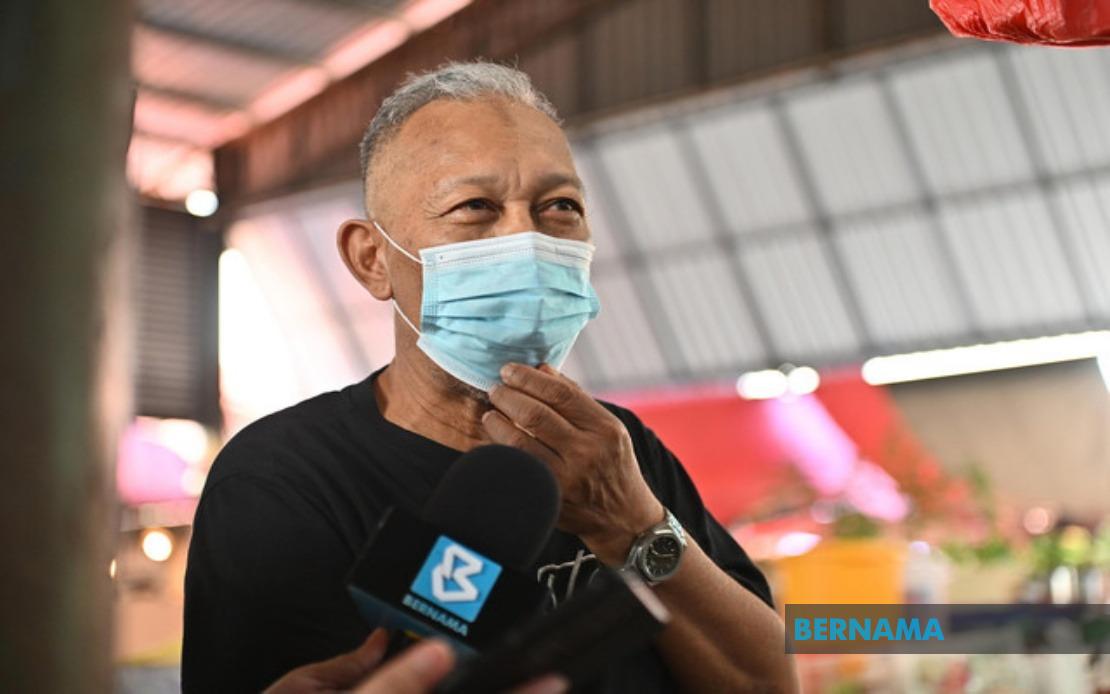
For traders like Asmail Kipli, a 62-year-old vegetable seller from Gedong, the economic impact of the haze is undeniable despite his determination to maintain operations. He has absorbed a 30 per cent decline in both customer footfall and income over the preceding days, yet he continues to staff his stall because the fixed costs of his livelihood—particularly stall rental payments—do not cease simply because air quality deteriorates. His decision to carry on reflects the calculus many small traders face: the immediate need to generate revenue outweighs health considerations that may seem abstract until illness strikes. Kipli's observation that the current haze situation is manageable suggests a certain adaptation or normalisation of the phenomenon, a concerning trend if it leads to complacency about the long-term health implications.
Other vendors have adopted more cautious strategies. Marina Latong, a 53-year-old fruit seller, has already restructured her working day to end by 3 pm, a reduction from her normal hours that represents a direct economic loss. More significantly, she has signalled her readiness to close temporarily should air quality continue to deteriorate, indicating a threshold beyond which she views continued operation as untenable. Her contingency planning underscores the tension between economic survival and personal welfare, with closure representing not a preference but a last resort when conditions become genuinely dangerous. Her preparedness to shutter her business also suggests that some traders recognise when the calculus shifts fundamentally in favour of protecting health.
Beyond the market, Serian residents have visibly modified their behaviour in response to the air quality crisis. Observations from the town indicate that people are exercising restraint in outdoor activities and venturing outside only when absolutely necessary. This behavioural adaptation, though rational, represents a significant disruption to normal community life. Essential errands such as grocery shopping and purchasing necessities continue, but discretionary outdoor activities have largely disappeared. The picture emerging is of a population functioning but constrained, going through necessary motions while protecting themselves as best they can.
The haze's impact extends beyond commerce and daily routines to the education sector, with authorities making a difficult decision to temporarily close 107 schools in Serian from August 13 through Friday. School closures during haze episodes are becoming an increasingly routine occurrence across Southeast Asia, reflecting both the severity of air quality during transboundary pollution events and the recognised risks to child health from prolonged exposure to hazardous air. While these closures provide immediate relief, they also disrupt educational continuity and create logistical challenges for working parents who must arrange childcare. The decision also implicitly acknowledges what traders must grapple with daily: that the air quality has reached levels deemed unsafe for vulnerable populations, even as economic activity persists.
The Serian situation exemplifies broader patterns seen across Borneo and Southeast Asia during haze season. Communities in affected areas have developed a pragmatic coping mechanism born of repeated exposure to transboundary air pollution originating from agricultural clearing and forest fires, particularly in Indonesian Kalimantan. Rather than complete economic shutdown—which would be neither feasible nor necessarily endorsed by authorities—residents adapt incrementally: protective equipment is purchased, hours are shortened, activities are deferred, and life continues at a reduced intensity. This adaptation, while necessary, carries an implicit acceptance of pollution as part of the seasonal rhythm rather than an exceptional crisis requiring urgent prevention.
The economic implications for traders like Kipli and Latong underscore why haze events pose particular hardship in developing communities where social safety nets are limited. A 30 per cent income reduction, sustained over multiple days or weeks, can have catastrophic consequences for families living at subsistence levels. Unlike larger enterprises that may have financial reserves or the ability to defer operations, small market traders face immediate pressure and lack flexibility. Governments in the region have historically provided limited compensation or support during haze events, leaving communities to absorb the costs themselves. This structural vulnerability means that environmental disasters, even episodic ones, perpetuate economic inequality and hardship in affected areas.
Looking forward, the situation in Serian raises questions about the sustainability of current adaptation strategies. While residents and traders are coping with present conditions, the underlying drivers of transboundary haze—including agricultural expansion and fire use in Indonesian Borneo—remain largely unaddressed through regional cooperation mechanisms. Each haze season replicates the previous crisis, with communities mobilising the same coping strategies while systemic causes persist. For Malaysian communities in Sarawak and Sabah, particularly towns like Serian where haze impacts are severe, long-term solutions require not just individual adaptation but coordinated regional efforts to prevent large-scale burning and protect forests. Until such measures materialise, residents will continue their resilient but ultimately reactive approach to an increasingly familiar environmental challenge.

