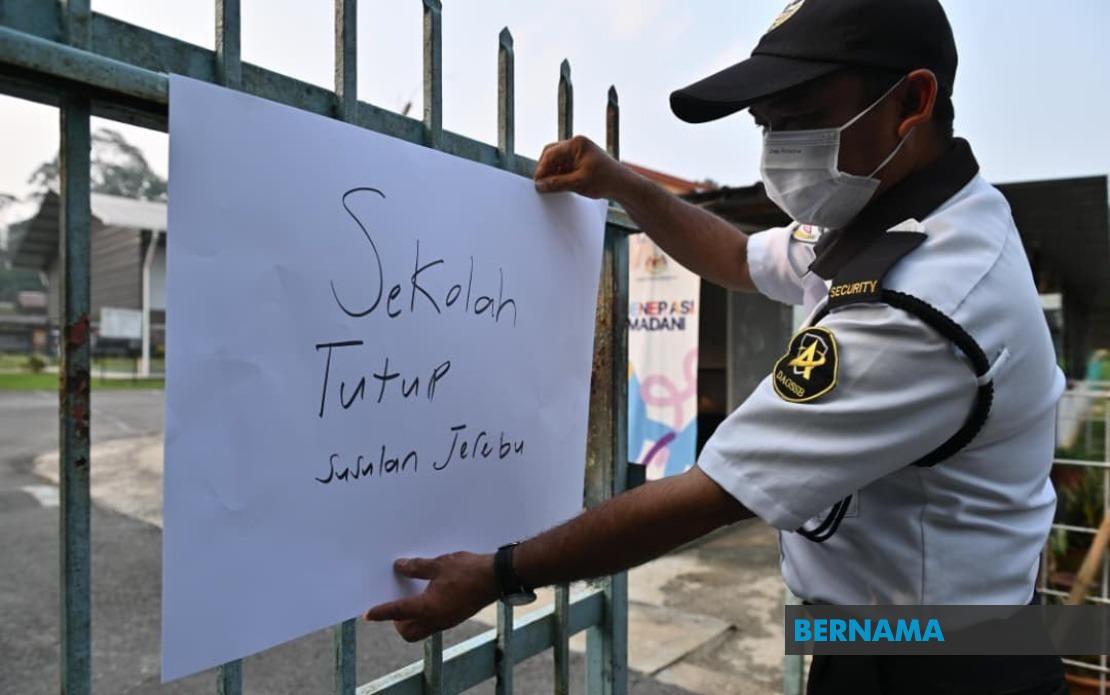
The temporary shutdown of educational institutions across the Serian district in Sarawak has been extended through Friday as air quality deteriorated due to cross-border haze pollution. The Sarawak State Education Department announced the decision on Wednesday following consultations with school administrators across both primary and secondary institutions overseen by the Serian District Education Office.
The extension reflects growing concern about the health risks posed by particulate matter drifting into Malaysian airspace, a recurring seasonal challenge that affects communities across Borneo and peninsular Southeast Asia. By maintaining the closure, authorities aim to prevent unnecessary exposure of vulnerable populations, particularly younger children and pupils residing in boarding facilities who would face extended periods in contaminated environments.
The rationale behind extending the shutdown centres on alleviating pressure on multiple stakeholders simultaneously. School administrators have been spared the burden of hastily implementing safety protocols and managing operations under compromised conditions. Teachers avoid the logistical complications of delivering lessons when air quality remains hazardous, while parents are relieved of urgent childcare arrangements. Boarding school residents benefit most directly, as they would otherwise spend nearly full days within dormitory environments lacking adequate air filtration systems.
As of 4 pm on Wednesday, the Air Pollution Index reading for Serian stood at 178, firmly placing the district within the unhealthy category according to Malaysia's standardised Air Pollution Index Management System. This threshold indicates atmospheric conditions where even members of the general population may experience noticeable health effects, with particular risk to those suffering from cardiovascular or respiratory conditions. Children, elderly residents, and outdoor workers face heightened vulnerability during such episodes.
The APIMS framework provides authorities and institutions with real-time air quality data essential for making informed decisions about public activities and school operations. The system monitors API levels across designated monitoring stations throughout Malaysia, enabling district and state-level agencies to track pollution patterns and respond proportionately. Schools are now expected to maintain vigilance by regularly consulting APIMS readings for their specific areas, creating an adaptive management approach rather than rigid blanket policies.
Cross-border haze, typically originating from agricultural burning and land-clearing activities in neighbouring territories, represents a persistent environmental challenge for Malaysia and its regional partners. These transboundary pollution episodes intensify during dry seasons and can rapidly degrade air quality across vast distances. Sarawak's geography, sharing extensive borders with Indonesian territories where such practices remain prevalent, makes the state particularly susceptible to these recurring pollution events.
The decision to communicate updates on a rolling basis, rather than announcing extended closures all at once, reflects a cautious approach balancing operational continuity with public health precautions. This strategy acknowledges that air quality can fluctuate significantly within short timeframes and that premature reopening decisions could create complications if conditions fail to improve as anticipated. Schools are encouraged to remain responsive to APIMS data and maintain preparedness for potential additional extensions.
For Malaysian education authorities, such episodes underscore the broader infrastructure challenge facing the nation's schools. Many institutions, especially in rural and semi-rural areas, lack sophisticated air-filtering systems comparable to modern commercial buildings. Temporary closures remain the most straightforward intervention when outdoor and indoor air quality deteriorates substantially, though this approach disrupts learning schedules and creates complications for working parents.
The frequency and intensity of haze events have prompted regional discussions about coordinated transboundary environmental management and stronger enforcement mechanisms against practices that generate such pollution. Malaysia has repeatedly engaged neighbouring governments through diplomatic channels seeking enhanced cooperation on preventing land-clearing activities during vulnerable seasons. However, implementation remains inconsistent, making adaptive responses like those implemented in Serian essential operational strategies for Malaysian institutions.

