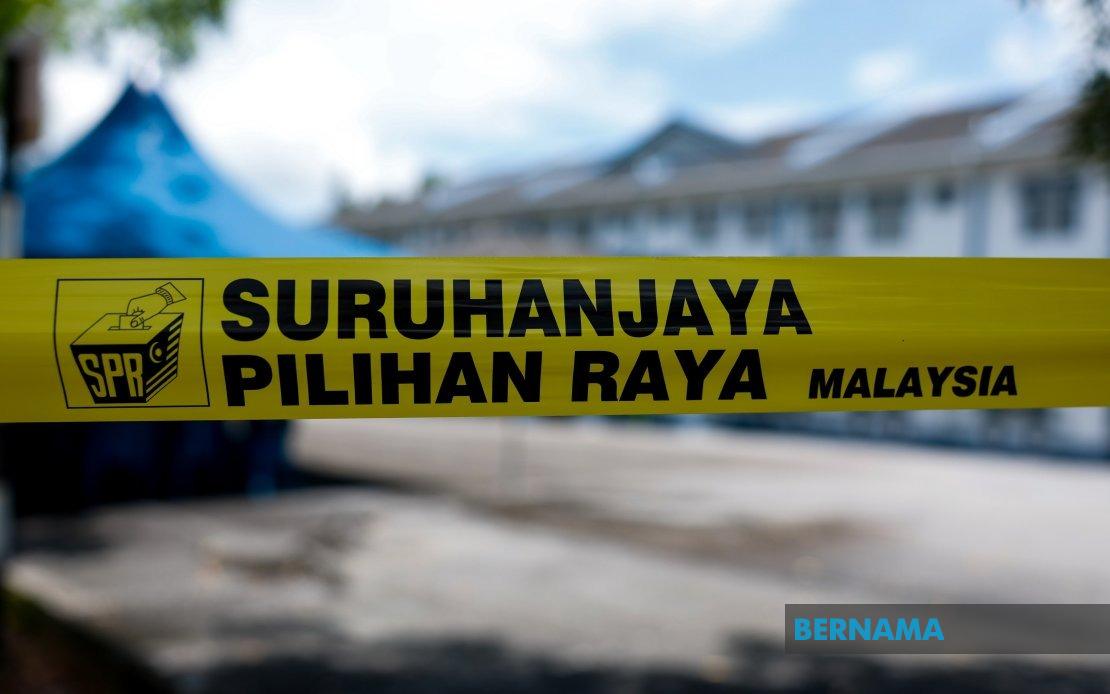
The Negeri Sembilan Police have launched investigations into seven cases involving violations of electoral laws as the state gears up for its 16th general election, the force's chief revealed on Wednesday. Datuk Alzafny Ahmad disclosed that among these cases, two were registered on the latest reporting date and involve breaches under Section 427 of the Penal Code relating to wilful mischief that damages or destroys property. The police chief's announcement underscores the enforcement activity taking place across the state as candidates and political parties conduct their campaign activities ahead of the scheduled voting day.
Accumulated data from July 18 through July 22 shows that the Negeri Sembilan contingent of the Royal Malaysia Police received a total of 12 separate reports alleging violations connected to the election process. This tally reveals the volume of incidents flagged by members of the public or election observers during what has been a relatively early stage of the campaign period. The nature of these reports spans multiple categories of electoral misconduct, indicating that enforcement personnel have been vigilant in recording grievances and irregularities brought to their attention.
The police force has also been processing applications from political parties and candidate camps seeking authorisation to conduct public gatherings, commonly known as ceramahs, and other campaign-related activities. On the day of Alzafny's statement, authorities approved 53 fresh permit applications, expanding the cumulative total of sanctioned campaign events to 226 since the campaign period commenced. This substantial number of approved gatherings demonstrates the scale of electoral activity unfolding across Negeri Sembilan, with multiple parties mobilising supporters and canvassing voters in different constituencies.
The regulatory approach adopted by the police reflects a balancing act between facilitating democratic participation and maintaining public order. Alzafny emphasised that all political programmes are being subjected to active monitoring to verify compliance with applicable laws and to prevent activities that might disturb community harmony or create safety risks. This supervisory role is standard during election periods, when heightened tensions and competing interests between rival camps can occasionally manifest in confrontational behaviour or rule-breaking.
The police chief pledged that enforcement efforts would remain sustained throughout the remaining campaign period, with a clear warning that legal consequences would follow any breach of electoral regulations. This messaging is intended both to deter would-be offenders and to reassure the public that the police are committed to maintaining a level playing field where all participants adhere to the same standards. The firm stance on enforcement reflects concerns that heated electoral competition might occasionally spill into unlawful conduct, making preventive policing and swift action necessary components of election management.
In his statement, Alzafny called upon the general public to continue respecting the law, honouring the democratic process, and cooperating with police to ensure the election unfolds peacefully and in an orderly fashion. This appeal to civic responsibility is a recurring theme in police communications during polls, recognising that public compliance and restraint are ultimately more effective than enforcement alone in preventing disorder. The framing also suggests a shared stake between law enforcement and the community in achieving a smooth electoral experience.
The Negeri Sembilan state election is unfolding on a compressed timeline compared to some previous polls. The Election Commission has scheduled early voting for July 28, allowing designated groups such as security personnel and certain civil servants to cast ballots ahead of the main polling day. The principal voting day has been fixed for August 1, meaning the campaign period spans approximately two weeks from the formal launch until voters go to the polls. This shorter window intensifies activity as parties seek to reach as many voters as possible in a condensed timeframe.
For Malaysian observers, the Negeri Sembilan election serves as an important barometer of electoral sentiment and political dynamics in one of the country's smaller states. The outcome may influence calculations by federal-level parties regarding their standing in different demographic and geographic segments. The conduct of the election—whether it proceeds smoothly or encounters friction—also provides insights into the broader health of Malaysia's electoral institutions and the maturity of political actors in respecting democratic norms.
The enforcement data released by police, while modest in absolute numbers, provides a factual snapshot of compliance levels among competing camps and their supporters during the campaign phase. Seven investigation papers within a certain timeframe across a state-wide election suggests that overall conduct has remained relatively restrained, though the presence of any violations indicates that continued vigilance is warranted. The focus on property damage cases hints that physical confrontations or destructive acts may have occurred, a category of offence that police prioritise in terms of public safety implications.
Looking ahead to the August 1 polling date, the police presence will likely be intensified to manage crowds at polling stations and prevent last-minute incidents that could undermine the credibility of the vote-counting process. Early voting on July 28 will provide a test of the election management machinery before the larger main election day. The coordination between police, the Election Commission, and local authorities will be critical in ensuring that both phases proceed without disruption, allowing voters to exercise their franchise safely and confidently.

