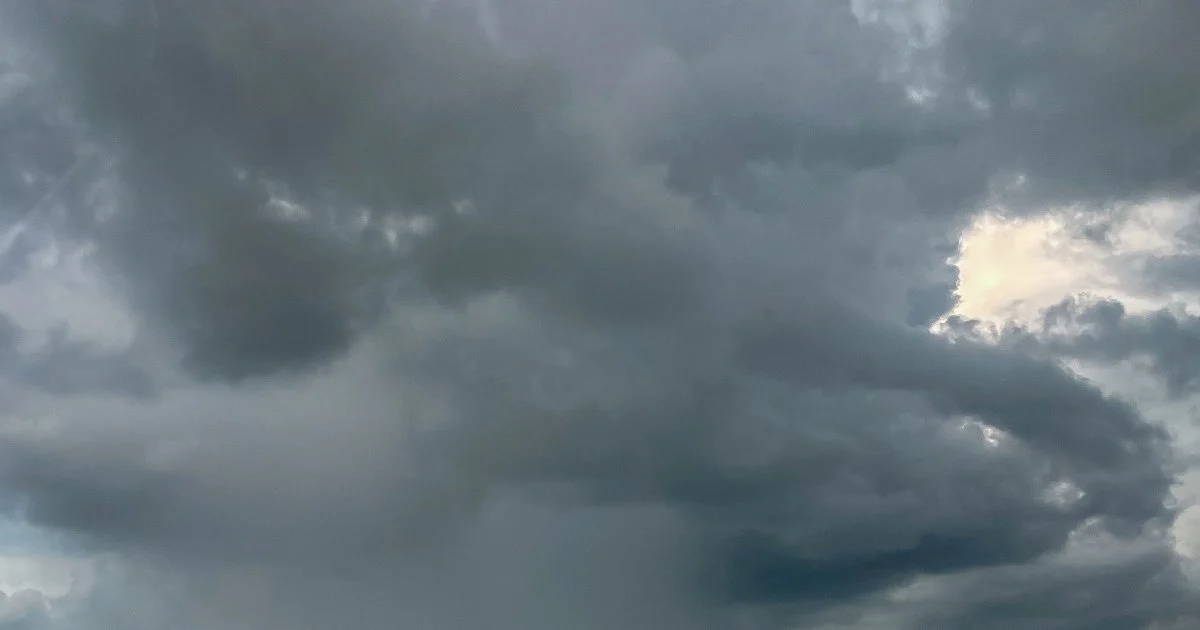
The Malaysian Meteorological Department has placed four northern states on alert as a significant weather system moves through the region, bringing the threat of intense thunderstorms, torrential downpours, and dangerous wind gusts expected to persist until midday. The meteorological authority issued the warning to prepare residents and relevant authorities for the rapid development of severe convective weather that could cause disruptions across multiple sectors throughout the morning hours.
Thunderstorms of this magnitude pose considerable risks to communities across the affected states, particularly given the potential for flash flooding in low-lying areas and water-prone localities that have historically experienced inundation during periods of concentrated rainfall. The combination of heavy precipitation and strong winds can overwhelm drainage systems and create hazardous conditions for motorists navigating affected roads, while the gusty conditions increase the likelihood of loose objects becoming projectiles and tree branches falling unexpectedly.
For Malaysian residents and businesses in these regions, the timing of the warning until noon provides a limited window for precautionary measures. Commuters are advised to monitor weather updates closely before venturing out during morning peak hours, as visibility may be significantly reduced and road surfaces could become slippery. Those planning outdoor activities should consider postponing or rescheduling events until conditions stabilize after the noon cutoff, when meteorological models suggest the system will begin to weaken.
The electrical activity associated with thunderstorms of this intensity carries inherent dangers, particularly for individuals working outdoors or in exposed positions. Lightning poses a significant hazard during the height of storm activity, making it prudent for construction sites, maintenance crews, and outdoor workers to implement safety protocols or temporarily suspend operations during the period of greatest risk. Indoor shelter is the safest position during active thunderstorm conditions, and individuals should avoid water bodies, tall trees, and open spaces where electrical discharge poses the greatest threat.
Farmers and agricultural stakeholders in affected areas face mixed implications from this weather system. While the substantial rainfall could benefit irrigation needs and recharge water tables depleted by drier periods, the intensity of precipitation and forceful winds risk damaging crops, particularly those in flowering or vulnerable stages of growth. Aquaculture operators in coastal areas should also remain vigilant, as the combination of heavy rain and strong winds could create challenging conditions for their operations.
The infrastructure across northern states may experience strain during this weather event. Utility companies often face increased demand for emergency response during severe weather, managing fallen power lines, disrupted services, and customer concerns. Public works departments may need to deploy teams to clear drainage blockages and manage waterlogging on major routes. Transportation networks, including highways and arterial roads, could experience congestion as cautious drivers reduce speeds in poor conditions.
Regional weather patterns indicate that this system is part of the monsoon circulation that regularly affects Malaysia during specific seasons. Understanding the broader meteorological context helps residents recognize that such warnings are seasonal phenomena rather than isolated anomalies. Preparedness during these predictable periods reduces overall vulnerability and allows communities to establish routines for managing weather-related disruptions.
The Malaysian Meteorological Department's forecasting capability has improved significantly in recent years, enabling more precise warnings and better lead time for protective action. The specificity of this alert—targeting particular states and providing a definite end time—reflects the department's confidence in their analysis. This precision allows authorities to activate appropriate response measures and for the public to make informed decisions about their movements and activities.
For business operations, particularly retail, food service, and logistics sectors, sudden weather warnings necessitate quick adaptation of schedules and staffing arrangements. Delivery services may experience delays, and customer foot traffic patterns typically shift during severe weather events. Forward-thinking businesses monitor these forecasts to anticipate operational challenges and implement contingency plans that minimize disruption.
As the morning progresses, residents should remain attentive to updates from MetMalaysia, as meteorological conditions can sometimes intensify beyond initial expectations or persist longer than anticipated depending on system development. Local authorities in the affected states have access to real-time data and may issue supplementary advisories if conditions warrant extension of the warning period or expansion to additional areas. Staying informed through official channels ensures that protective measures remain appropriate to actual conditions rather than initial forecasts.
Beyond the immediate weather event, this warning underscores the ongoing importance of weather literacy and preparedness infrastructure throughout Malaysia. As climate patterns continue to evolve, building community resilience through education, early warning systems, and accessible forecasting information becomes increasingly valuable. Individuals who understand severe weather risks and know appropriate response actions contribute meaningfully to collective safety and recovery speed following such events.

%22%2F%3E%3C%2Fpattern%3E%3C%2Fdefs%3E%3Crect%20width%3D%22100%25%22%20height%3D%22100%25%22%20fill%3D%22url(%23ph2xbtwg)%22%2F%3E%3Crect%20width%3D%22100%25%22%20height%3D%22100%25%22%20fill%3D%22url(%23ph2xbtwp)%22%2F%3E%3Ctext%20x%3D%2250%25%22%20y%3D%2250%25%22%20text-anchor%3D%22middle%22%20dominant-baseline%3D%22central%22%20fill%3D%22rgba(255%2C255%2C255%2C0.95)%22%20font-family%3D%22Georgia%2C%20'Times%20New%20Roman'%2C%20serif%22%20font-weight%3D%22700%22%20font-size%3D%22226%22%20letter-spacing%3D%22-0.02em%22%3EPenang%3C%2Ftext%3E%3C%2Fsvg%3E)
%22%2F%3E%3C%2Fpattern%3E%3C%2Fdefs%3E%3Crect%20width%3D%22100%25%22%20height%3D%22100%25%22%20fill%3D%22url(%23phyt7eg)%22%2F%3E%3Crect%20width%3D%22100%25%22%20height%3D%22100%25%22%20fill%3D%22url(%23phyt7ep)%22%2F%3E%3Ctext%20x%3D%2250%25%22%20y%3D%2250%25%22%20text-anchor%3D%22middle%22%20dominant-baseline%3D%22central%22%20fill%3D%22rgba(255%2C255%2C255%2C0.95)%22%20font-family%3D%22Georgia%2C%20'Times%20New%20Roman'%2C%20serif%22%20font-weight%3D%22700%22%20font-size%3D%22194%22%20letter-spacing%3D%22-0.02em%22%3EPakatan%3C%2Ftext%3E%3C%2Fsvg%3E)