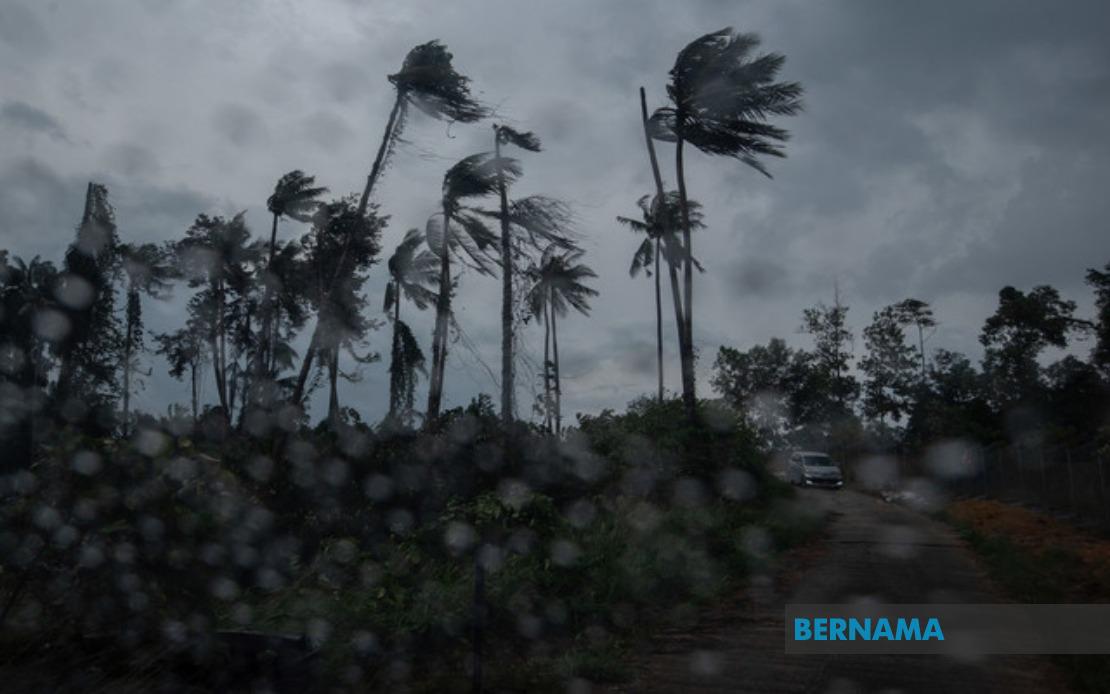
Motorists, commuters and outdoor workers across Peninsular Malaysia and Sarawak are being urged to exercise caution as the Malaysian Meteorological Department issued a weather alert early this morning warning of intense thunderstorms, heavy downpours and gusty winds expected to sweep through numerous districts until midday. The alert, disseminated at 8.35 am, represents one of several short-term weather warnings issued to prepare residents and businesses for potentially hazardous conditions that could disrupt daily activities and pose risks to those outdoors.
The geographical scope of the warning is remarkably extensive, encompassing the entirety of Perlis and Melaka as well as significant portions of Kedah, including the popular tourist destinations of Langkawi, Kubang Pasu and Kota Setar. This widespread coverage suggests a substantial weather system moving across the northern and western regions of the peninsula, areas that are home to millions of residents and serve as important economic hubs. The inclusion of entire states indicates meteorologists are confident in the system's intensity and broad reach rather than isolated pockets of instability.
In Pahang, the warning specifically targets Kuantan, Pekan and Jerantut, municipalities that contain significant population centres and industrial zones dependent on clear weather conditions. Similarly, the neighbouring state of Selangor faces alerts for Sepang and Kuala Langat, regions that include critical infrastructure including Malaysia's main airport and numerous transport corridors. These areas support the nation's most densely populated urban agglomeration and their disruption carries substantial economic implications for the wider Klang Valley region.
Negeri Sembilan residents across Port Dickson, Seremban, Rembau, Kuala Pilah and Tampin are advised to remain vigilant, as these districts encompass both coastal and inland communities that frequently experience weather volatility. Port Dickson's coastal position makes it particularly susceptible to weather systems bringing maritime winds and surge conditions. Meanwhile, Johor's Tangkak and Muar localities complete the peninsula coverage, extending the warning across the nation's southern reaches and suggesting the weather system's reach extends the full length of western Malaya.
Sarawak's involvement in the alert underscores that the atmospheric disturbance spans the entire region. Nine different areas including Mukah, Selangau, Sibu, Sarikei, Maradong, Bintulu, Kapit, Bukit Mabong and Subis in Miri have been flagged, covering both inland and coastal Sarawak. These communities, scattered across the state's diverse geography, indicate a broad-based weather system affecting the entire region rather than localised conditions. Sibu and Bintulu, as major urban and industrial centres respectively, would face particular disruption given their economic importance to the state.
MetMalaysia characterises this as a short-term warning, meaning it carries validity only for periods not exceeding six hours per advisory. This classification indicates the agency expects conditions to evolve relatively quickly, and residents should anticipate updated alerts as the situation develops. The morning issuance with a midday expiration suggests meteorologists expect the system to move through relatively swiftly, though this does not diminish the potential severity of impacts during the active period.
Thunderstorms paired with heavy precipitation present multifaceted hazards beyond simple inconvenience. Strong winds accompanying such systems can topple weakened structures, bring down power lines, and render navigation hazardous for all road users. The heavy rain component creates flash-flooding risks, particularly in low-lying areas and poorly drained localities. Combined, these elements necessitate heightened alertness from construction sites, transportation operators and emergency services preparing for potential incidents.
The timing of the alert, issued well before the anticipated peak, provides reasonable notice for people to adjust plans and take protective measures. Outdoor activities should be postponed or moved indoors, while those already travelling are advised to exercise extreme caution, reduce speed and avoid areas prone to flooding. Commercial operations, particularly those dependent on outdoor activities or transportation, may need to curtail normal operations or implement contingency arrangements. Farmers and agricultural workers should secure loose materials and protect vulnerable crops.
These weather alerts reflect Malaysia's increasingly frequent encounters with severe weather systems, a pattern observers attribute to climate variability and broader meteorological shifts affecting Southeast Asia. The frequency and intensity of thunderstorm alerts have prompted discussions about infrastructure resilience and disaster preparedness throughout the region. For Malaysia specifically, such alerts test the nation's early warning systems and public responsiveness mechanisms, ultimately determining whether advance notification translates into reduced casualties and economic losses.
Residents are encouraged to monitor MetMalaysia's official channels for updates and revised forecasts as conditions unfold. Emergency services remain on standby to respond to weather-related incidents, while local authorities coordinate preparedness measures. The six-hour validity window means new alerts may be issued as the situation evolves, potentially extending or shortening the warning period based on observed atmospheric trends. Staying informed and taking precautions during this critical window remains the best approach to minimising disruption and ensuring personal safety.

