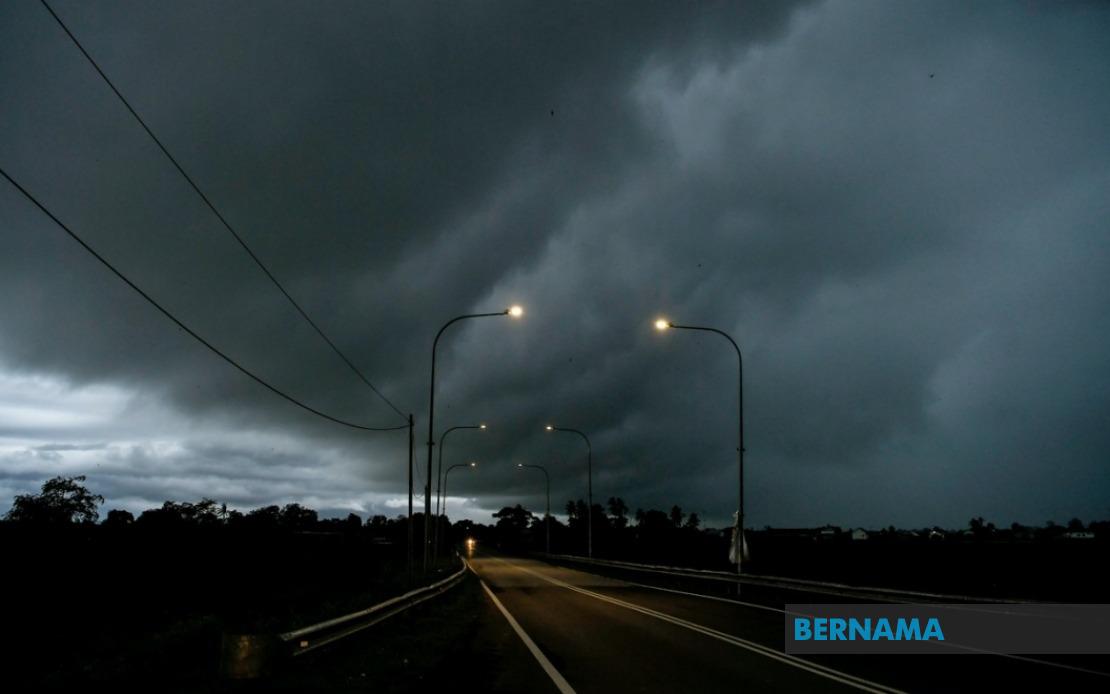
A severe weather warning has swept across a significant portion of Malaysia, with the Malaysian Meteorological Department cautioning residents of thunderstorms, torrential rain and powerful wind gusts expected to batter multiple regions until 6 pm. The alert encompasses vast stretches of the peninsula, East Malaysia, and the federal territories, prompting residents to exercise caution during the affected period.
The warning extends across Johor, Negeri Sembilan, and substantial portions of Perak, with the latter including the districts of Hulu Perak, Kuala Kangsar, Kinta, Kampar, Hilir Perak, Batang Padang and Muallim. These central and southern regions face the brunt of the atmospheric disturbance, with residents advised to monitor conditions closely and avoid unnecessary outdoor activities during peak storm intensity.
On the east coast, communities across Kelantan face similar threats, with the alert covering Tumpat, Pasir Mas, Jeli, Tanah Merah, Kuala Krai and Gua Musang. Terengganu residents in Setiu, Kuala Nerus, Kuala Terengganu, Marang, Dungun and Kemaman should similarly prepare for adverse conditions. These districts, many of which are susceptible to flooding during heavy downpours, warrant particular attention from authorities and residents alike.
Pahang's warning zone encompasses the high-altitude Cameron Highlands area alongside lowland districts including Bentong, Temerloh, Kuantan, Bera, Pekan and Rompin. The topographical variety within the state means communities at different elevations may experience varying storm intensities, though all regions remain vulnerable to flooding and wind damage. The federal territory of Kuala Lumpur and Putrajaya residents should similarly brace for disruptions during the afternoon and early evening hours.
Selangor, the nation's most populous state, faces warnings covering both developed urban areas and less densely populated regions. The alert includes Sabak Bernam, Kuala Selangor, Hulu Selangor, Gombak, Petaling, Hulu Langat and Sepang. Given Selangor's critical infrastructure, industrial zones, and residential density, the meteorological department's warning carries particular significance for millions of residents and commuters across the region.
In Sarawak, the thunderstorm alert extends across a wide geographic footprint covering diverse terrain and population centers. Kuching, the state capital, faces the same risk as more remote areas including Sarikei, Sibu, Mukah, Kapit, Bintulu, Miri and Limbang. The inclusion of interior divisions suggests the weather system possesses considerable spatial extent and intensity potential across the vast state.
Sabah's exposure encompasses three distinct geographic zones, reflecting the heterogeneous nature of weather patterns across the eastern Malaysian state. The interior regions of Sipitang, Tenom, Beaufort, Nabawan, Keningau and Tambunan join the west coast communities of Papar, Penampang, Kota Kinabalu, Tuaran and Ranau in the warning zone. The Sandakan division on the east coast, including Tongod, Telupid, Beluran and Sandakan itself, similarly faces the approaching system.
The geographical breadth of this meteorological alert underscores the scale of the atmospheric disturbance affecting Malaysia. Such widespread warnings typically indicate either a major low-pressure system or convergence zone capable of generating localized severe convection across multiple states simultaneously. The fact that both peninsula and East Malaysia are affected suggests the weather pattern extends across a considerable vertical and horizontal dimension.
Residents in affected areas should take immediate precautions including securing loose outdoor items, avoiding waterlogged roads, and monitoring official weather updates. Parents and educators should be mindful of potential disruptions to transport and school activities, while businesses should consider contingency planning for afternoon operations. Emergency services across the warned regions likely remain on heightened alert for potential flood calls, traffic incidents, and structural damage from strong winds.
The Malaysian Meteorological Department regularly issues such warnings during the monsoon season or when atmospheric conditions prove conducive to severe thunderstorm development. However, the extent of this particular alert spanning nine states plus federal territories suggests notably unstable atmospheric conditions across the region. Residents should treat this warning seriously, particularly those in low-lying areas historically prone to flash flooding or communities near hillside slopes vulnerable to debris flows during heavy precipitation events.
This weather event serves as a reminder of Malaysia's vulnerability to severe tropical weather systems and the importance of disaster preparedness at household and community levels. Climate monitoring institutions and emergency management agencies across affected states will continue tracking the system's development and may refine forecasts or issue additional warnings as conditions evolve through the afternoon hours.

