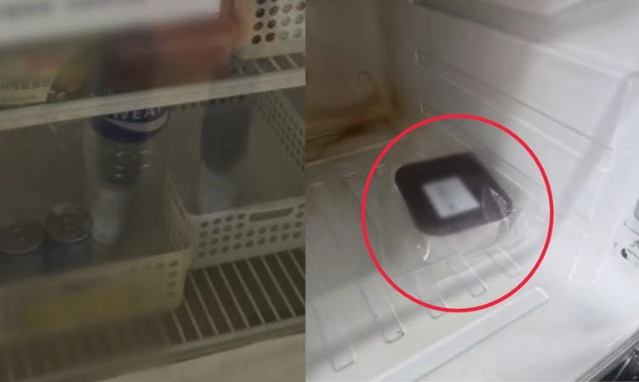
South Korean regulatory authorities have launched an investigation into a nursing care facility in Seoul following the discovery of a patient's severed digit that had been stored in a kitchen refrigerator alongside food items and condiments. The incident, which came to light through reporting by KBS news on August 19, has raised serious questions about medical waste handling protocols, patient care standards, and food safety compliance at the facility.
The severed toe belonged to a man in his 60s living with intellectual disability who had resided at the hospital for a decade. According to the patient's family, the digit was discovered during a visit and had been kept in the refrigerator for approximately two weeks prior to this discovery. The toe had been placed in a disposable porridge container—an improper storage solution that represented a fundamental breach of medical waste management standards. The proximity to beverages and food condiments in the same refrigerator compounded the severity of the hygiene violation.
The circumstances surrounding the initial injury reveal further lapses in patient care communication and documentation. The family learned in March that one of the man's toes had become detached following a fall that occurred while hospital staff were transferring him in a wheelchair for bathing purposes. Hospital personnel attributed the incident to the wheelchair accident, explaining that a toe already compromised by skin necrosis had separated as a result. However, the family contends they received no prior notification about the foot ulcer diagnosis, despite the condition being clearly documented in the hospital's own medical records since December of the previous year.
This communication gap represents a significant breach of informed consent and patient family involvement in care decisions. The patient's family members, as primary advocates for someone with intellectual disability, should have been apprised of any serious medical conditions or complications well before they became severe enough to result in tissue loss. The retroactive nature of their learning about the foot ulcer suggests systemic problems in how the facility communicates with families of vulnerable patients.
The hospital's response to the severed tissue disposal reveals both inadequate infrastructure and questionable decision-making under pressure. According to statements made by facility administrators, the institution lacked appropriate specialized containers for storing human tissue. Rather than implementing proper protocols or requesting emergency assistance from medical waste disposal services, a nurse reportedly made the unilateral decision to refrigerate the severed toe as an interim emergency measure. This expedient approach, while perhaps intended to preserve the tissue in case reattachment became an option, represented a clear violation of established medical waste protocols.
Under South Korea's Waste Control Act, medical waste must be segregated and stored in designated containers that prevent contamination and ensure proper handling. The practice of storing human tissue in food preparation areas directly violates this regulatory requirement. Additionally, placing human biological material in the same refrigerator as food products raises potential violations of food sanitation regulations, creating a public health concern that extends beyond the immediate patient and facility.
The incident highlights the distinction between emergency improvisation and regulatory compliance in healthcare settings. While medical professionals occasionally face unpredictable situations requiring rapid decision-making, established frameworks exist specifically to guide waste management during such incidents. The failure to activate these protocols suggests either insufficient staff training, unclear institutional procedures, or an inadequate understanding of the legal and safety requirements governing medical facilities.
Following the media exposure of the incident, South Korea's Health Ministry announced it would direct local government authorities to conduct a comprehensive administrative investigation into the nursing hospital. This intervention signals official recognition of the seriousness of the violations and the need for systematic review of the facility's operations, staff training, and compliance mechanisms. Such investigations typically examine not only the immediate incident but also broader patterns of care delivery and institutional oversight.
For Malaysian readers and healthcare professionals in Southeast Asia, this incident serves as a cautionary example of how systemic failures in communication, training, and regulatory enforcement can accumulate to create dangerous situations. Many developing healthcare systems in the region face similar resource constraints and infrastructure limitations that might tempt expedient shortcuts around proper procedures. However, the South Korean case demonstrates that such shortcuts carry serious legal, ethical, and reputational consequences.
The case also underscores the particular vulnerability of patients with intellectual disabilities and other cognitive conditions who cannot advocate independently for themselves. These populations rely entirely on institutional safeguards, family involvement, and regulatory oversight to ensure dignified care. When communication with families breaks down and proper procedures are bypassed, the most vulnerable patients face the greatest risks.
Beyond the immediate incident, the episode raises questions about resource allocation in healthcare facilities caring for chronically ill and disabled populations. Nursing hospitals providing long-term care often operate with constrained budgets and staffing levels that can lead to corners being cut. The absence of proper medical waste containers in a facility that had housed patients for extended periods suggests either chronic underfunding or misallocation of available resources.
The investigation's outcome will likely establish precedent for how such breaches are treated by South Korean authorities and may influence regulatory approaches across the region. Whether the facility faces significant penalties, management changes, or operational restrictions will send a signal about how seriously authorities regard patient protection and regulatory compliance in institutional care settings.
As healthcare systems across Southeast Asia continue developing their regulatory frameworks and enforcement mechanisms, incidents like this provide valuable lessons about the real-world consequences of allowing shortcuts in medical waste management, patient communication, and family involvement in care decisions.

