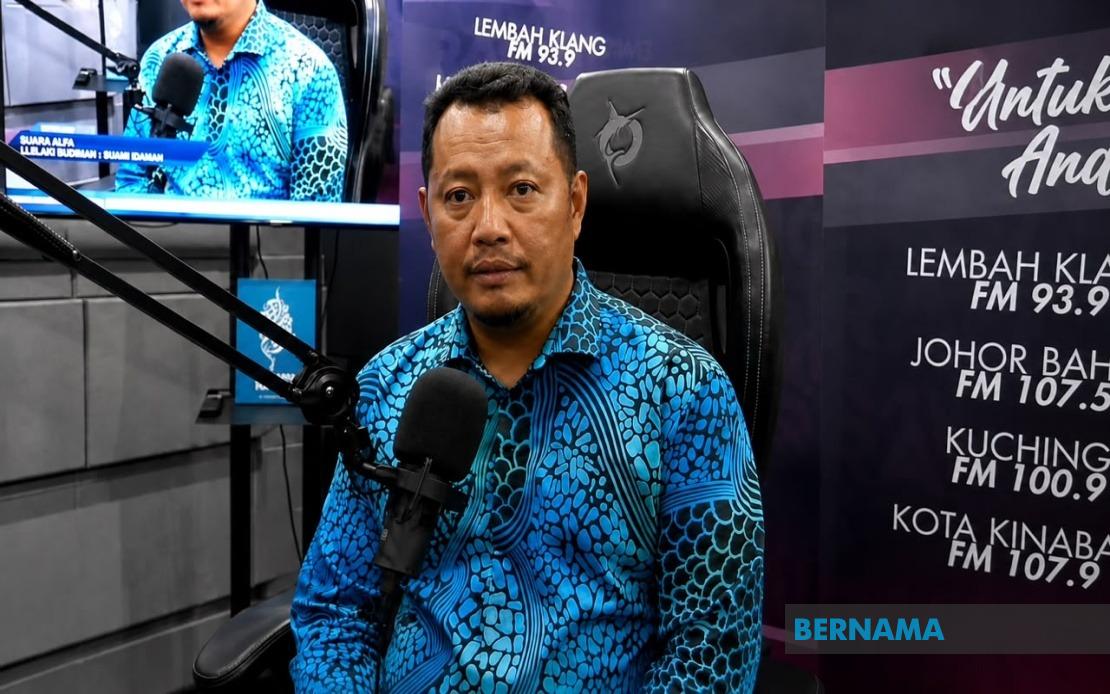
The foundation for cultivating responsible and virtuous men lies not in adulthood but in the formative years of childhood and adolescence, according to Malaysia's National Population and Family Development Board (LPPKN). This developmental window offers the critical opportunity to instil the qualities that enable men to contribute meaningfully to both their families and broader society, according to Md Noh Saiman, chief assistant director of LPPKN's Counselling and Intervention Unit.
The trajectory of a child's character development rests substantially on how parents conduct themselves and the behavioural patterns they demonstrate throughout their offspring's growing years. Md Noh elaborated during a recent broadcast on Bernama Radio's Suara Alfa programme that children absorb and internalise the conduct they witness at home, processing parental actions and attitudes into their own framework for understanding masculinity and responsibility. This observation-based learning mechanism means parental conduct serves as the primary curriculum for developing gentlemanly virtues.
The concept of a true gentleman extends considerably beyond superficial courtesy or romantic gestures, Md Noh clarified. Instead, it encompasses a deeper spectrum of characteristics including genuine integrity, unwavering honesty, and a commitment to bearing responsibilities without expectation of recognition or reward. These qualities represent the substance of character rather than mere performance or presentation, creating a distinction between authentic gentlemanliness and its counterfeit versions that prioritise appearance over substance.
Particularly relevant in contemporary Malaysian households, participating actively in domestic responsibilities represents a tangible expression of this gentlemanly ideal. Men who contribute to childcare duties, household management, and family logistics demonstrate their commitment to partnership in ways that transcend traditional gender expectations. Such engagement strengthens the marital partnership while simultaneously generating positive ripple effects throughout the household ecosystem.
When husbands provide substantial support in managing family operations, their partners gain the psychological freedom and practical capacity to pursue professional advancement and personal development with renewed confidence. This dynamic creates mutual benefit, allowing women to explore their capabilities across careers and endeavours without the burden of shouldering domestic responsibilities alone. The result extends beyond individual satisfaction to broader societal advantage, as families benefit from the talents and contributions of all members operating at their potential.
LPPKN's Lelaki Idaman Programme transcends the function of merely celebrating men who already embody positive attributes. The initiative deliberately positions itself as a transformative platform for individuals committed to genuine personal evolution and self-improvement. This inclusive approach acknowledges that the journey toward responsible manhood remains accessible regardless of current station, offering pathways for men genuinely motivated to upgrade their capacities and values.
Maturity in masculine expression manifests significantly in a man's capacity to receive constructive feedback without defensiveness or ego obstruction. Md Noh stressed that genuinely developed men demonstrate resilience in response to criticism, viewing corrective input as valuable information for growth rather than as personal attack. This psychological flexibility—the ability to separate the message from the messenger and extract useful content from challenging perspectives—distinguishes authentic development from superficial performance.
The contemporary information ecosystem presents unprecedented challenges to traditional notions of gentlemanly conduct. Digital platforms and social media have become primary architects of public imagination regarding masculine ideals, disseminating competing definitions and often contradictory representations of what constitutes an appropriate gentleman. Both men and women now navigate multiple competing narratives about masculine roles and virtues circulating across digital channels, creating confusion about which standards to internalise and emulate.
This fragmented media landscape makes the early-childhood foundation increasingly critical. When foundational values are firmly established through consistent parental modelling during vulnerable developmental years, individuals gain an internal compass resistant to the volatile currents of social media trends. The values embedded during childhood serve as ballast against the destabilising influence of algorithmically-driven content seeking to define masculinity for profit.
Beyond individual character development, Md Noh connected responsible masculinity directly to institutional family strengthening. When men actively support their spouses and demonstrate genuine partnership in family life, they contribute concretely to creating more stable, harmonious household environments. These strengthened family units then become the generative source for subsequent generations' understanding of healthy relationships and responsible conduct, creating virtuous cycles that benefit society broadly.
The policy implications for Malaysia are significant. Investment in parenting education and family support programmes addressing fathers specifically could substantially amplify the development of responsible manhood at scale. By recognising that early intervention during childhood yields exponential returns through generational transmission of values, Malaysian policymakers possess a roadmap for long-term social development.

