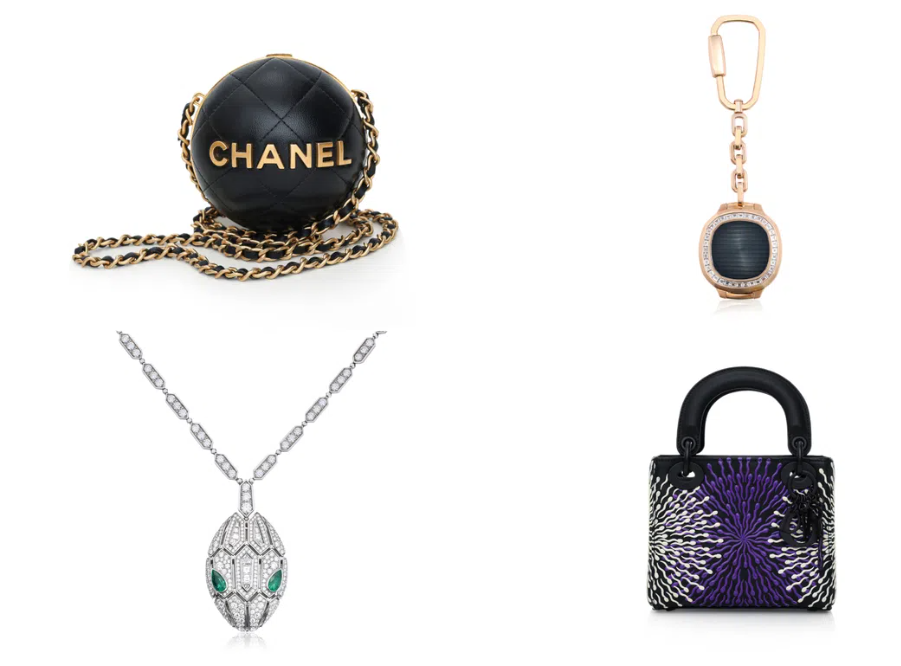
Singapore is preparing to sell off an extraordinary collection of seized luxury goods and real estate originating from the city-state's most significant money laundering investigation to date. Through a series of online auctions managed by the auction house Hotlotz and real estate firms, authorities will progressively liquidate assets that were accumulated through the illicit scheme. The disposal process reflects the scale of the S$3 billion operation that shocked the financial hub and resulted in multiple convictions and deportations. Professional services firm Deloitte announced on August 29 the comprehensive strategy for converting these high-value possessions into cash that will flow into Singapore's Consolidated Fund.
The asset recovery initiative unveils the extraordinary material wealth that had been accumulated through the money laundering network. Beginning on September 7, Hotlotz will conduct the first pair of timed online auctions exclusively, opening bidding at 10am Singapore time and closing on September 20 at 4pm. These inaugural sales will feature more than 300 designer handbags and accessories from prestigious fashion houses including Chanel, Louis Vuitton, and Christian Dior, alongside over 250 pieces of fine jewellery from distinguished brands such as Graff, Bulgari, and Van Cleef & Arpels. The company has scheduled a series of 15 auctions extending from September 2026 through May 2027, with subsequent tranches expected to include coveted Hermès bags and timepieces from manufacturers such as Patek Philippe, Richard Mille, and Rolex. Matthew Elton, Hotlotz's chief executive, emphasised that each item undergoes professional cataloguing and extensive promotion to ensure transparent pricing discovery.
Access to these auctions will be international in scope, welcoming bidders from across the globe who complete mandatory identity verification procedures online. Prospective buyers registered for the first two sales can download digital catalogues beginning September 7 at 10am, allowing them to examine detailed descriptions and imagery before placing their offers. For those wishing to inspect items physically, the auction house has established viewing appointments at Le Freeport, a high-security private vault facility located in Changi. This arrangement ensures that interested parties can verify the authenticity and condition of the handbags, jewellery, and other valuables before committing to purchases through the transparent online bidding platform. The geographic scope of these auctions demonstrates Singapore's commitment to achieving fair market value through open, international competition rather than restricted or opaque sales processes.
Beyond the luxury goods auctions, the recovery effort encompasses a vast portfolio of real estate. Deloitte will coordinate with three specialist property firms—SRI, Edmund Tie & Company (SEA), and Knight Frank—to manage the sale of more than 80 properties acquired through the money laundering network. These real estate assets will be offered through conventional auction channels as well as alternative mechanisms including limited tender processes, expressions of interest, and direct sales arrangements. List International Realty has been designated to present selected properties specifically through expression of interest campaigns, allowing potential purchasers to submit non-binding indications of value before formal negotiation commences. The authorities have warned members of the public to transact only through officially appointed agencies and sanctioned sale processes to avoid fraudulent schemes that might exploit the profile of these high-visibility assets.
The liquidation strategy reflects the enormous non-cash wealth seized during the investigation's progression. Authorities initially took control of approximately S$1.25 billion in tangible assets beyond currency and bank deposits, encompassing vehicles, properties, artwork, watches, jewellery, gold bullion, designer handbags, and premium alcohol collections. A major islandwide enforcement operation on August 15, 2023, led to the arrest of 10 foreigners, all of whom have since been convicted and removed from Singapore. Government records released in January 2024 documented the confiscation of 207 properties, 77 vehicles, 483 luxury bags, 169 branded watches, 580 jewellery pieces, 68 gold bars, thousands of bottles of liquor and wine, and cryptocurrency valued at more than S$38 million. Beyond these tangible goods, authorities froze more than S$1.45 billion in bank accounts and recovered more than S$76 million in physical currency denominated in various currencies, reflecting the international nature of the criminal enterprise.
The recovery process has already generated substantial returns to the state. Police reported that approximately S$1.4 billion comprising seized cash from bank accounts and proceeds from liquidated assets had been deposited into Singapore's Consolidated Fund as of the close of the 2025 financial year. This achievement demonstrates the effectiveness of the enforcement strategy and the value of comprehensive asset-freezing powers in white-collar crime investigations. The continued realisation of remaining assets through structured auctions will further augment this figure, with all revenues flowing to the public purse. For Malaysia and neighbouring Southeast Asian countries, this case underscores Singapore's sophisticated financial crime detection capabilities and the vulnerability of money laundering operations to determined law enforcement investigation, even when sophisticated methods are employed to conceal the origins and ownership of illicit proceeds.
The systematic approach to asset disposal reflects international best practices in handling proceeds of crime. Rather than attempting rushed sales that might depress values, Deloitte has orchestrated a phased programme spanning multiple years, allowing the market sufficient time to absorb the volume of luxury goods while maintaining fair pricing. The decision to conduct online auctions rather than private sales enhances transparency and reduces opportunities for corrupt dealings or collusive bidding. By opening participation to international buyers, Singapore maximises competitive tension and the likelihood of achieving genuine market valuations. This methodology offers valuable lessons for other Southeast Asian jurisdictions facing similar asset recovery challenges. The Monetary Authority of Singapore and law enforcement agencies in the region increasingly coordinate on detecting cross-border money laundering, and successful models for converting seized assets into recoverable value prove important for funding further investigation and prevention activities.
For Malaysian observers, this case illuminates vulnerabilities in regional financial systems that sophisticated criminal networks exploit. The money laundering operation successfully accumulated billions of ringgit equivalent in assets within Singapore's heavily regulated financial environment, suggesting that international criminal syndicates possess considerable technical expertise and financial resources. The multi-year investigation required sustained commitment from law enforcement and demonstrated the necessity of freezing orders that operate across jurisdictional boundaries. Malaysia's own efforts to combat money laundering through the Financial Intelligence and Enforcement Division and the Anti-Money Laundering Intelligence Task Force face comparable challenges when criminal proceeds flow through multiple jurisdictions and are invested in real estate, luxury goods, and cryptocurrency. The Singapore case provides a contemporary demonstration of how resolute enforcement, international cooperation, and systematic asset recovery can succeed even against organised criminal networks with substantial financial capacity.
The public auction approach also carries significant symbolic value in Singapore's anti-corruption and financial crime narrative. By selling seized assets through transparent processes rather than allowing them to remain in government warehouses, authorities reinforce the message that crime does not pay and that ill-gotten gains will ultimately be recovered and returned to society. Media coverage of the auctions attracts renewed attention to the investigation and its serious consequences, reinforcing deterrent effects within Singapore's financial community. Malaysian authorities likewise recognise that high-profile asset recovery cases contribute to institutional credibility and public confidence in the willingness of government to pursue financial crime relentlessly. The decision to permit global bidding also converts seized assets into diplomatic messaging, demonstrating Singapore's financial sophistication and rule-of-law commitment to international markets and potential investors concerned about operating within trustworthy regulatory frameworks.
The project timeline extends well into 2027, reflecting the sheer volume and complexity of cataloguing, valuing, and disposing of such extraordinary collections. Hotlotz's scheduling of 15 separate auction tranches allows the auction house to focus marketing efforts and achieve premium prices by avoiding market saturation that would result from simultaneously listing thousands of items. The subsequent tranche scheduled for November 2026 will introduce Hermès handbags and premium timepieces, suggesting a carefully planned strategy to segment the collection according to market characteristics and buyer demographics. Fine jewellery attracts a specialised collector base, while luxury watches from Patek Philippe and Richard Mille command ultra-high-net-worth individual attention. Designer handbags from accessible luxury brands appeal to a broader purchasing audience. This segmentation strategy maximises realisation value across different segments of potential buyers and reflects professional asset management principles more commonly associated with private wealth management than law enforcement operations.

