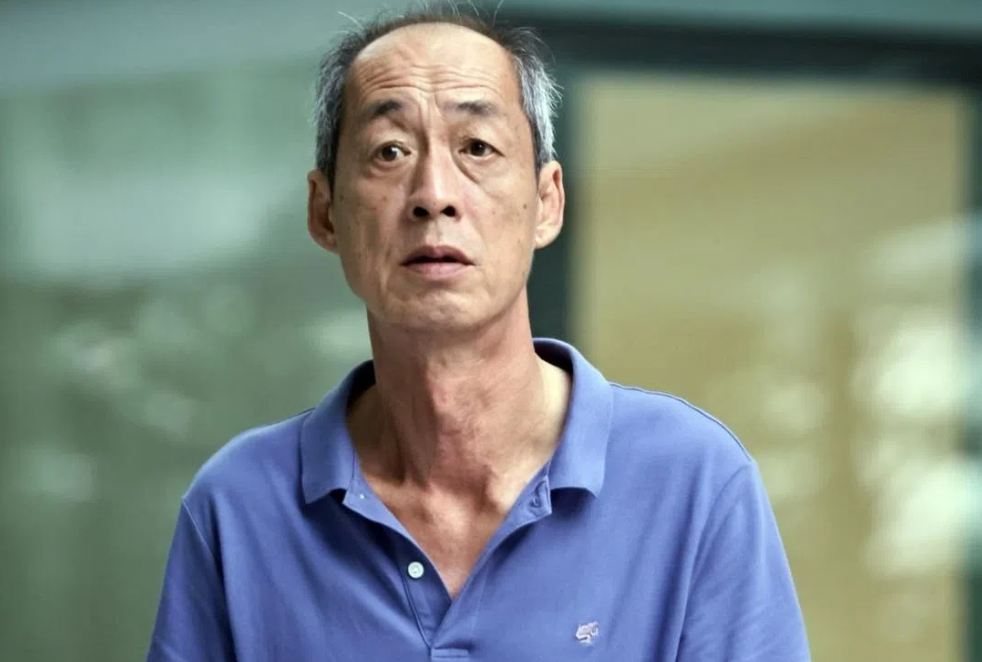
A 61-year-old bus driver in Singapore faces imprisonment following the tragic death of an elderly passenger who fell whilst exiting his vehicle. Ang Oon Leng received an eight-week custodial sentence on July 7 after pleading guilty to causing the death of Lee Bee Lwee, 72, through negligent conduct. The incident marks a sobering reminder of the critical importance of passenger safety protocols in public and private transport operations across the region.
The circumstances surrounding the fatal accident reveal a chain of preventable errors. Ang had been employed by a private company in 2024 to operate a shuttle service ferrying cleaning staff to and from their workplace. On the morning of March 5, 2025, he brought the bus to a halt at a taxi stand located at Hillion Mall on Petir Road, permitting passengers including Lee to disembark. However, in a critical lapse of judgment, he initiated vehicle movement without conducting basic safety checks or ensuring all occupants had safely exited the premises.
According to court testimony delivered by Deputy Public Prosecutor Thaddeus Tan, Ang failed to glance toward the vehicle's doors or verify whether passengers remained in the process of alighting. He proceeded to navigate the curved roadway with the rear passenger door still open—a dangerous configuration that would ultimately prove fatal. As Lee was still stepping down from the bus, the sudden movement destabilised her footing, causing her to lose balance and strike her head with considerable force against a hard surface. The impact was sufficiently severe that Ang heard the collision and immediately halted the vehicle to investigate.
The response that followed demonstrated some measure of accountability. Upon discovering Lee lying on the ground, Ang promptly alerted emergency services and remained at the scene. Lee was transported urgently to National University Hospital, where medical professionals fought to save her life. Nevertheless, her injuries proved insurmountable; she succumbed to the head trauma at approximately 4 p.m. that same day. What began as an ordinary work day for a cleaning staff member ended in an irreversible tragedy that would reverberate through her family and broader community.
The legal proceedings unfolded methodically through the following months. Ang was taken into custody on March 12, 2025, and subsequently charged in court the following year. His guilty plea acknowledged the gravity of his actions, demonstrating recognition of culpability in Lee's death. The prosecutor's submissions to the court painted a fuller picture of the victim's life and circumstances. Lee had been characterised by those who knew her as a contented individual who derived pleasure from television programmes, listening to music, and engaging in community activities organised by her local residents' association. Her sudden removal from the world diminished the social fabric of her neighbourhood.
The sentencing reflected judicial consideration of both deterrence and proportionality. Beyond the eight-week imprisonment, Ang received a five-year driving licence disqualification effective from his release date, representing a substantial professional and personal consequence. He was further ordered to provide monetary compensation totalling approximately $2,200 to Lee's dependent family members. The court imposed an additional incentive for compliance: should Ang fail to remit the compensation amount, he would face one further week of detention. This creative enforcement mechanism acknowledges the financial hardship families often experience following sudden bereavement and seeks to provide some modest restitution.
The statutory framework governing such offences in Singapore permits sentences extending to two years imprisonment, substantial fines, or both. The actual sentence imposed represents the lower to mid-range of available penalties, suggesting the court weighed mitigating factors whilst maintaining a clear message regarding public safety obligations. The prosecutor had recommended up to twelve weeks' imprisonment, rendering the final outcome a measured response to Ang's conduct.
For readers across Southeast Asia, this case underscores systemic vulnerabilities within transport operations that rely on individual vigilance to prevent catastrophe. Many regional countries operate vast private bus and shuttle networks employing thousands of drivers, many of whom may lack comprehensive safety training or enforcement mechanisms. The simplicity of Ang's failure—merely glancing at exit points before accelerating—highlights how easily preventable accidents become fatal tragedies when basic protocols are neglected. Transport companies across Malaysia and the region should examine whether their operational procedures adequately emphasise these fundamental checks.
The incident also raises questions about driver fatigue, distraction, and cognitive load. Whether Ang was rushing to maintain schedules, distracted by mobile devices, or simply operating on autopilot remains unclear from available documentation. Yet these are precisely the factors that safety-conscious operators should actively monitor and mitigate. Regular refresher training, fatigue management systems, and perhaps technological aids such as automated door-closure delays could substantially reduce the likelihood of such tragedies recurring.
Lee Bee Lwee's death represents not merely a legal matter but a profound human loss. The prosecutor's remarks about her character and community participation served to remind the court—and now the public—that each statistic in transport safety databases represents a real person whose absence is felt by loved ones and neighbours. Her story should motivate transport operators, regulators, and policymakers across Southeast Asia to prioritise passenger welfare with the seriousness it demands, ensuring that routine journeys do not become final ones.

