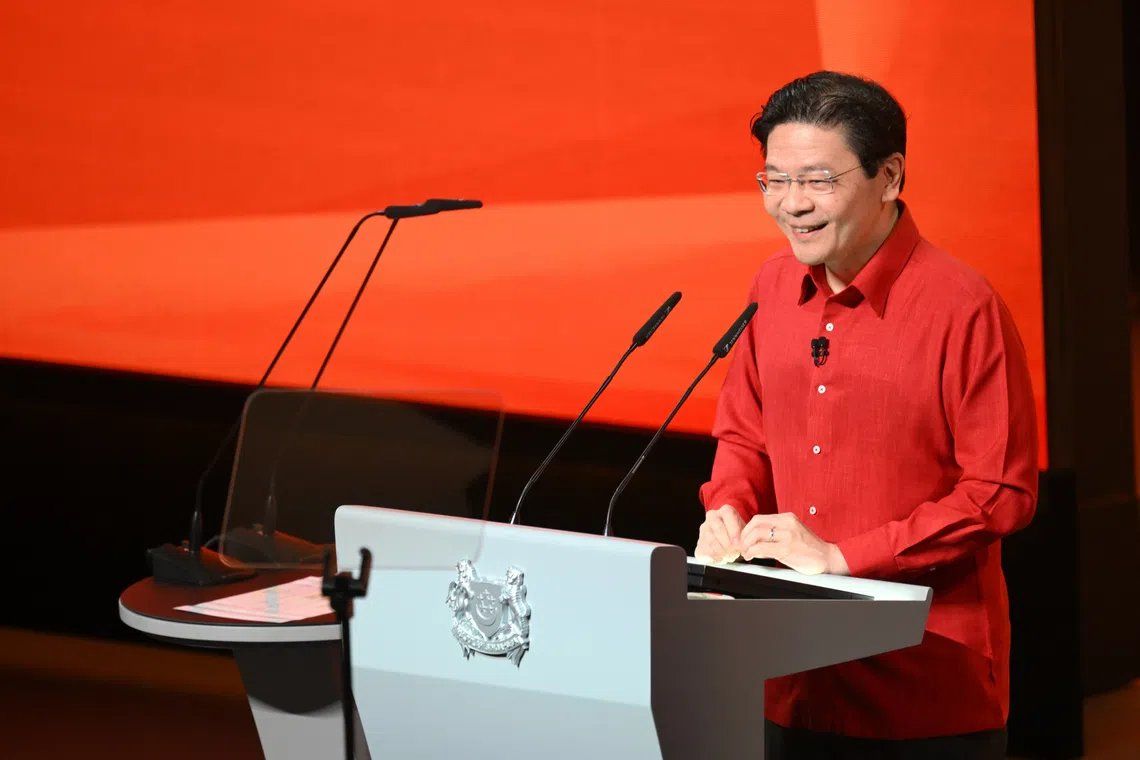
Singapore's police force has announced comprehensive traffic arrangements for the 2026 National Day Rally, with multiple roads and lanes in the Ang Mo Kio district closing entirely to facilitate the high-profile event on Sunday, August 23. The closures will remain in effect from early morning at 5am until late evening at 11.59pm, affecting several critical junctions near ITE College Central where the ceremony will take place. Motorists planning to travel through the area are advised to seek alternative routes and allow additional travel time as a precaution.
The police identified five specific traffic corridors that will be completely sealed off from general vehicle access throughout the day. These include both the slip road leading from Ang Mo Kio Avenue 5 into Ang Mo Kio Drive and the reciprocal slip road from Ang Mo Kio Drive back into Ang Mo Kio Avenue 5. Additionally, two separate sections of the extreme left lane of Ang Mo Kio Avenue 5 heading toward the Central Expressway will be closed, along with a portion of the extreme right lane of the same avenue in the direction of Ang Mo Kio Avenue 8. The specificity of these restrictions indicates careful traffic engineering to maintain partial vehicular flow while securing the venue and its immediate surroundings.
During the closure period, access to the affected roads will be strictly limited to authorised vehicles, emergency services personnel, and police vehicles responding to urgent calls. This tiered access system balances public safety and venue security with the need to maintain emergency response capabilities in the district. The police have pre-positioned officers and auxiliary personnel along the affected corridors to manage traffic flow, guide authorised vehicles, and ensure compliance with the closures. These personnel will play a critical role in minimising congestion and preventing drivers from attempting to navigate through barricaded areas.
Parking enforcement will be particularly stringent throughout the closure zones. The police have explicitly warned that any vehicles parked illegally or obstructing traffic within the affected areas will be subject to immediate towing without exception. This heavy-handed approach reflects the premium placed on maintaining clear access routes and preventing unauthorised vehicles from compromising the security perimeter. Residents and commuters in Ang Mo Kio should be mindful that standard parking spots in proximity to the rally venue may be unavailable, and alternative parking arrangements should be considered well in advance.
For motorists with specific questions or concerns about the traffic arrangements, the police have made themselves accessible through a dedicated hotline at 1800-218-0000. This direct communication channel allows residents to clarify which routes remain passable, obtain guidance on alternative paths, or lodge concerns about the impact on their commute. The provision of such a resource underscores the police's recognition that major infrastructure disruptions require clear channels for public engagement and feedback.
Prime Minister Wong Gideon Lim will deliver the keynote address beginning at 6.45pm, commencing with remarks in Malay before switching to Mandarin. The English-language portion of his speech will commence at 8pm, reflecting Singapore's multilingual political tradition and the importance of addressing the nation's diverse linguistic communities with equal prominence. This staggered delivery approach has become a hallmark of the National Day Rally, allowing different demographic groups within the population to receive the prime minister's message in their preferred language with equal weight and attention.
The broadcast infrastructure for this year's rally demonstrates the extent of media reach. All major local television channels and radio stations will carry the event live, ensuring that citizens without internet access can participate in real time. Simultaneously, Prime Minister Wong's official YouTube channel and the Prime Minister's Office channel will stream the event for digital audiences, reflecting the government's commitment to reaching citizens across traditional and modern media platforms. This multi-platform approach recognises the generational diversity within Singapore's electorate and the varying preferences for how citizens consume political information.
Those unable to watch the live broadcast will have opportunities to view the speech on-demand beginning August 24 through either the Prime Minister's YouTube channel or the official Prime Minister's Office website at www.pmo.gov.sg. This archival approach ensures that the speech remains accessible to the public for future reference and study, allowing scholars, analysts, and interested citizens to review the prime minister's remarks and policy pronouncements at leisure. The persistent availability of the speech text and video reflects transparent governance practices and recognition that political accountability extends beyond the moment of broadcast.
The National Day Rally serves as Singapore's paramount platform for prime ministerial address to the nation, functioning as a structured occasion for the government to present its policy achievements, account for progress on previous commitments, and articulate the strategic challenges confronting the city-state. These rallies have become significant milestones in the political calendar, marking points at which the administration takes stock of its stewardship and charts direction for the months ahead. The event carries particular symbolic weight as it coincides with national celebrations, intertwining governmental accountability with patriotic sentiment.
This August 23 rally will mark Prime Minister Wong's third such address to the nation since assuming office. His previous National Day Rally speeches have addressed critical issues including economic resilience, social cohesion, and Singapore's positioning within the evolving geopolitical landscape of Southeast Asia. As Wong delivers his third address, observers will scrutinise his remarks for signals regarding government priorities, policy adjustments, and the administration's assessment of both domestic conditions and regional developments that may affect Singapore's interests. For Malaysian observers and media professionals, the speech may contain references to bilateral relations, regional cooperation frameworks, or cross-border economic arrangements that merit analysis.
The scale of disruption caused by this event underscores the security imperatives surrounding high-level political gatherings in Singapore and the resource mobilisation required to host such occasions. While the closures represent significant inconvenience to commuters and residents, they reflect the government's determination to maintain strict control over the venue and access routes. This approach has become standard practice for major state functions throughout Southeast Asia, where security concerns and political significance converge to justify substantial temporary restrictions on civilian movement. For Malaysian policymakers and security professionals, Singapore's traffic management approach provides a case study in balancing public accessibility with venue security during sensitive political events.

