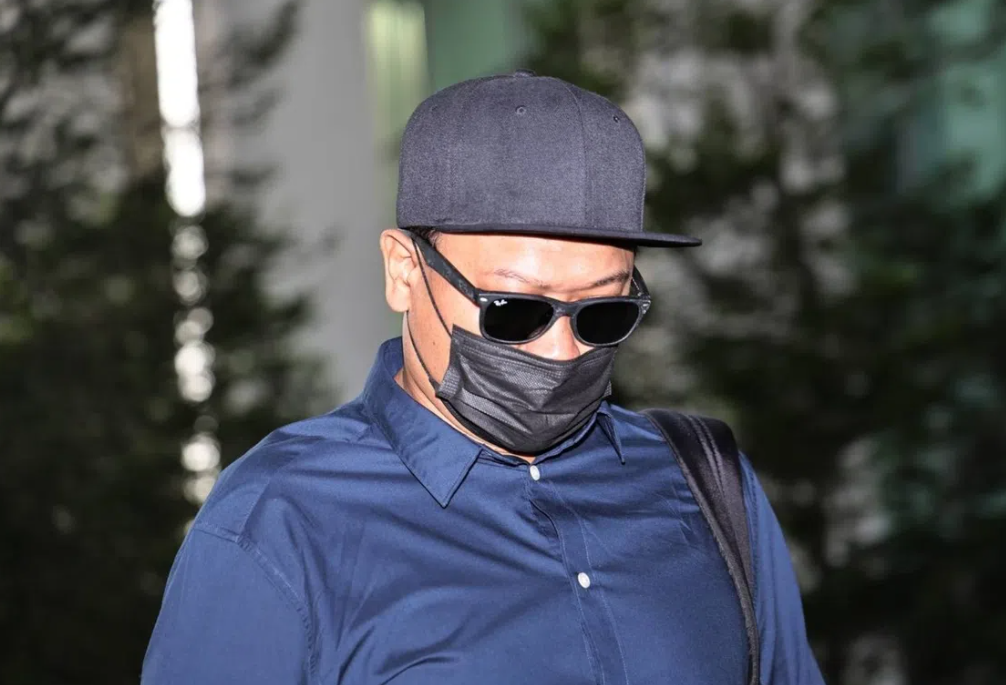
Muhammad Syafie Ismail, 45, has admitted to multiple serious traffic offences stemming from a catastrophic collision at the intersection of Tampines Avenue 1 and Tampines Avenue 4 on April 22, 2024. The incident claimed the lives of two people and left eight others injured, marking one of Singapore's more devastating road accidents in recent years. Syafie entered a plea of guilt at the State Courts on August 6, more than two years after the crash, concluding a legal process marked by four court adjournments.
The sequence of events leading to the collision reveals a pattern of reckless driving. After dropping off a Grab Hitch passenger in Bedok, Syafie accelerated his vehicle to speeds exceeding 129 kilometres per hour as he approached the junction—nearly two and a half times the posted 50 kilometres per hour speed limit. Court proceedings disclosed that he had been driving dangerously even before reaching the intersection, abruptly overtaking vehicles and swerving between lanes repeatedly without signalling. When the traffic light turned red, he failed to brake despite the light remaining red for at least 26 seconds, setting in motion the catastrophic chain of events that would follow.
Footage presented to the court captured the black vehicle hurtling through the intersection at high velocity, passing at least three cars before colliding with a series of other vehicles. The impact triggered a domino effect: Syafie's car first struck two vehicles before surging forward into a third. The initial vehicle he hit spun and overturned, then collided with a van, which subsequently struck a minibus. In total, six vehicles became entangled in the wreckage, scattering debris and trapping occupants in twisted metal.
Two individuals lost their lives in the collision. Norzihan Juwahib, 57, was a passenger in the van, en route to her workplace. She had been employed as a senior technician at First Choice Pest Specialist for approximately a decade and was well-established in her career. The second fatality was a 17-year-old junior college student whose identity remains protected under court-ordered restrictions applicable to deceased minors. She had been a passenger in a private vehicle and was heading to participate in her school's annual cross-country event—a routine activity that ended tragically.
The circumstances surrounding the student's death were particularly harrowing. Her father was driving when the collision occurred, and the impact was violent enough to flip their car and force the doors open. The student became trapped beneath the overturned vehicle while her father lost consciousness from the force of the impact. When he regained awareness in hospital, his immediate concern was for his daughter's safety. The prosecutor's account revealed the devastating moment when he learned of her death, describing how the father broke down emotionally upon hearing the news. He was subsequently brought to a room where he could hold her hand as she lay deceased.
The human toll extended well beyond the two fatalities. Norzihan died from multiple traumatic injuries, including fractures to her neck and ribs sustained during the collision and subsequent impact. Cardiopulmonary resuscitation was administered at the scene, but her injuries proved fatal. Eight additional individuals sustained injuries ranging from moderate to severe. One victim suffered rib fractures, another sustained a head injury, while a third victim experienced hand injuries that would have long-lasting consequences for daily functioning and work capacity.
The psychological and emotional devastation inflicted by the collision has been profound and enduring. The student's mother has been diagnosed with major depressive disorder and has ceased working entirely since the accident. In her victim impact statement submitted to the court, she expressed that life had become meaningless following her daughter's death. Compounding her grief, she initially blamed her husband for the crash despite his having no responsibility for the incident—a common manifestation of traumatic loss. The prosecutor noted that the student had aspired to become a doctor and that her mother took pride in her achievements before the collision cut short her life and potential.
Another injured victim, whose identity has been redacted, sustained hand injuries that created significant functional impairment. The injuries made basic activities such as dressing difficult and have prevented her from typing, creating barriers to workplace productivity. Beyond the physical limitations, this victim has struggled with concentration at work and has experienced sleep and appetite disturbances, frequently being drawn back to memories of the accident. These ripple effects underscore how single moments of reckless driving can permanently alter multiple lives beyond those directly killed or initially injured.
Syafie's conduct immediately following the collision offers some marginal mitigation. He remained at the scene in the driver's seat until assisted by a bystander to move to the roadside, demonstrating at minimum that he did not flee. He sustained an arm fracture in the collision but has recovered without permanent disability, a stark contrast to the lifetime consequences imposed on survivors and the families of the deceased. He was arrested two days later on April 24 after being discharged from hospital, and his driving licence was suspended immediately.
The legal ramifications for dangerous driving causing death in Singapore carry substantial penalties. Convictions under this charge carry maximum sentences of eight years imprisonment and concurrent disqualification from driving. Syafie's guilty plea likely signals his acceptance of responsibility and may influence sentencing considerations, though courts typically impose substantial custodial sentences and extended driving bans for such serious offences. The case represents a cautionary reminder of how momentary lapses in judgment—excessive speed, failing to observe traffic lights, aggressive manoeuvring—can transform routine journeys into tragedies that reverberate through families and communities for years.
For Malaysian and regional readers, the case underscores the critical importance of road safety enforcement and driver behaviour modification. Singapore's strict traffic laws and enforcement mechanisms, while sometimes viewed as severe by neighbouring jurisdictions, reflect the potential consequences when safety protocols are ignored. The case demonstrates that wealth, status, or accident survival does not shield individuals from legal accountability for endangering others' lives through reckless conduct. Road safety remains a shared regional challenge requiring consistent messaging about responsible driving and the irreversible consequences of traffic violations.

