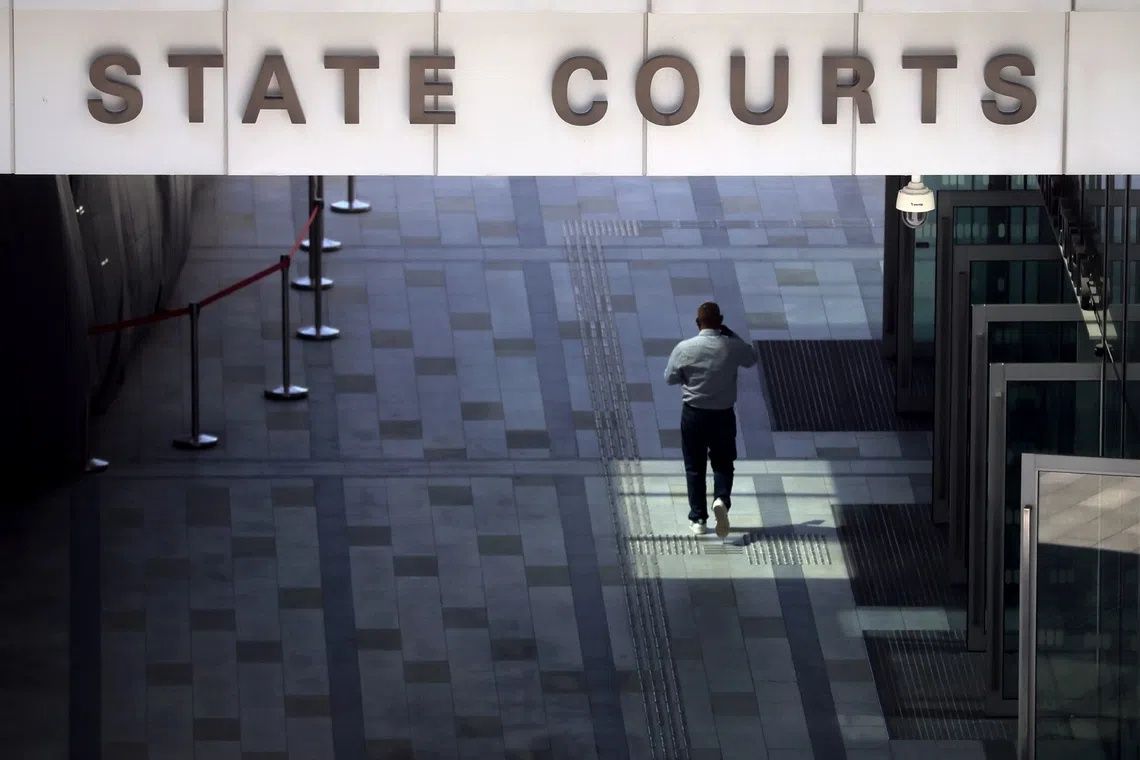
A 40-year-old man appeared in a Singapore court on Thursday, August 6, to face serious charges of child abuse involving incidents spanning several weeks. The father is accused of two separate counts of ill-treating his children, with the court imposing strict anonymity protections to shield the identities of both victims from public disclosure. The allegations paint a disturbing picture of escalating mistreatment within a family unit, raising fresh concerns about child welfare and domestic violence in the city-state.
The first alleged incident occurred in early September 2025 at a residential Housing and Development Board block. According to court documents, the man instructed his 10-year-old son to remove his clothes and then ride the lift to the ground floor of the eighth-floor unit where they resided. The precise circumstances surrounding this act—including whether the child complied with the instruction and what transpired—remain undisclosed by the court. The apparent public nature of the alleged incident, involving a lift journey through shared communal spaces, underscores potential exposure and humiliation considerations that experts in child protection typically emphasize when documenting such cases.
Less than a month later, the allegations escalated to what prosecutors describe as a physical assault. On October 3, 2025, the man was present at Changi Airport Terminal 3 in the early evening when he allegedly subjected his 8-year-old daughter to multiple forms of violence. According to the charge sheet, he slapped, punched, and pushed the young girl, causing visible injuries to her face and neck regions. The assault at Singapore's largest airport—a busy public venue—suggests the father's alleged behavior occurred with little apparent regard for the child's dignity or the public setting of the incident.
Court filings have not revealed the motivations behind either alleged act of abuse, leaving broader context about family dynamics and potential triggering factors unknown at this stage of proceedings. Such omissions are typical in early court appearances designed to protect investigative integrity and prevent prejudicial pre-trial publicity. However, the progression from the humiliation-based incident to physical violence suggests a pattern that would likely concern child protection specialists and warrant thorough investigation into the family's circumstances.
The charges carry significant weight within Singapore's legal framework, where child protection legislation has been progressively strengthened over recent decades. The Children and Young Persons Act in Singapore provides comprehensive provisions against ill-treatment, with courts empowered to impose substantial custodial sentences and mandatory parenting interventions. Convictions for child abuse can result in imprisonment terms of several years, alongside concurrent orders for child protection oversight and rehabilitation programs.
This case arrives at a moment when Singapore continues to grapple with recurring incidents of child maltreatment despite being a developed nation with robust enforcement mechanisms. Child advocacy groups have periodically highlighted gaps between reported cases and societal awareness, suggesting that many instances of abuse may remain unreported or undetected. The charges in this particular matter were seemingly initiated following external reporting, whether by witnesses, school personnel, or health professionals, underscoring the importance of community vigilance in identifying vulnerable children.
For Malaysian readers, while Singapore maintains separate legal and child protection systems, the situation reflects challenges common across Southeast Asia regarding domestic violence and child safety within families. Malaysia's own Child Act and related legislation similarly criminalize child ill-treatment, yet experts regularly point to insufficient public awareness about reporting mechanisms and variations in enforcement across different states. The Singapore case serves as a reminder that child abuse transcends socioeconomic boundaries and can occur within apparently ordinary family units, making sustained public education and accessible reporting channels critical regional priorities.
The involvement of Changi Airport in the second alleged incident also raises questions about security protocols and staff training in recognizing signs of child distress in public facilities. Major transportation hubs across Southeast Asia have increasingly implemented child protection awareness programs, yet gaps in recognizing and responding to active abuse incidents remain documented challenges. Ground staff, security personnel, and other airport employees represent critical frontline observers who can intervene or summon appropriate authorities when children appear to be in danger.
The man's next court appearance is scheduled for August 13, when his case will be mentioned for further directions. At that stage, prosecutors may provide additional details regarding charges, while the defense may seek clarification or raise procedural matters. The gradual disclosure of information through successive court hearings reflects Singapore's judicial approach to managing high-profile cases involving minors, balancing transparency with the need to protect child witnesses from ongoing publicity that could complicate their recovery and rehabilitation.
Beyond the immediate legal proceedings, this case will likely trigger examination of support systems available to families experiencing stress, conflict, or behavioral breakdown. Singapore operates extensive family counseling services, parenting education programs, and child protection networks, yet reach and uptake among all demographic groups remains an ongoing focus for policymakers. The incident also underscores the particular vulnerability of children in family settings, where power imbalances and privacy norms can create environments where abuse remains concealed from external oversight.

