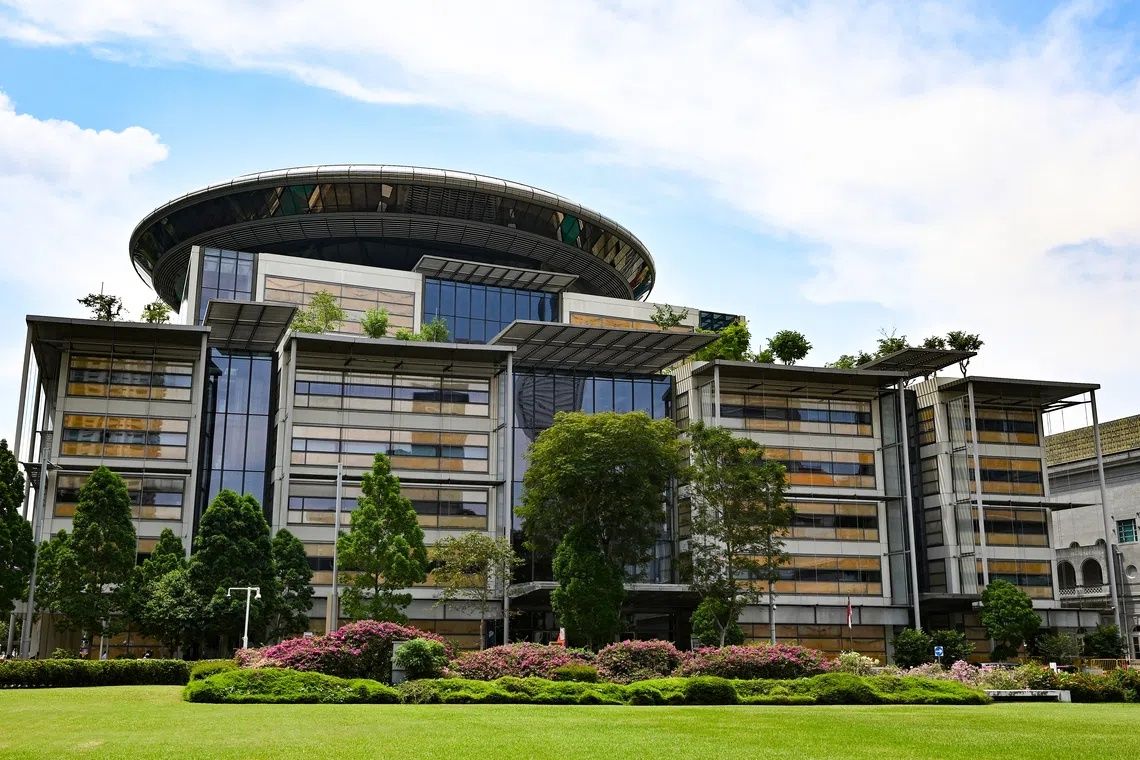
A 37-year-old man who exploited the vulnerability of two fatherless brothers by positioning himself as a trusted religious mentor has been handed a sentence of 27 years and 10 months in prison by Singapore's High Court, along with 24 strokes of the cane. The convicted offender, who operated a TikTok account featuring religious content, repeatedly raped the younger brother when the child was between six and eight years old at multiple locations, including within a mosque toilet. He subsequently turned his attention to the older boy, who was aged 11 to 12, subjecting him to numerous incidents of molestation.
High Court judge Kwek Mean Luck described the man's actions as "utterly abhorrent and heinous" during sentencing on August 17. The conviction was based on three rape charges and two counts of outraging modesty to which the offender pleaded guilty, with an additional 12 sexual offence charges taken into consideration during the sentencing phase. Beyond the two brothers, the man also admitted to abusing three other victims, including a 17-year-old youth who had regarded him as both a mentoring figure and religious authority. Court suppression orders prevent the publication of the perpetrator's identity, his online handles, and the specific mosque involved, measures designed to shield the victims from further harm.
The two brothers had been living with their maternal grandmother in circumstances marked by parental absence on both fronts. Their biological father had abandoned the family following a divorce from their mother, who required rehabilitation for substance dependency, spending time in a Drug Rehabilitation Centre from October 2021 through October 2023. This family situation created precisely the conditions of emotional vulnerability that the offender would exploit systematically. The grandmother became the primary caregiver, a role that left limited resources for constant supervision, particularly as the offender gradually positioned himself as a provider of paternal care and spiritual guidance.
The man's infiltration into the family's trust operated through a calculated progression. Initial contact occurred in April 2022 when the older boy encountered him at the mosque and recognised him from his TikTok presence, initiating a friendship that quickly deepened. The offender employed standard grooming tactics: including the boy in recreational activities such as football matches with his peers, inviting him to his home on multiple occasions, and demonstrating interest in the child's personal struggles regarding his fractured family situation. When the boy mentioned this new acquaintance to his grandmother, describing him as a popular social media personality, the stage was set for institutional trust to be established.
The grandmother's decision to allow the man into their household stemmed from a combination of factors that appear, in retrospect, dangerously incomplete as safeguarding measures. She evaluated him partly through direct personal interaction, noting what she perceived as devoutness and religious commitment. She also discovered that he was a childhood friend of her own sons, adding a false layer of legitimacy rooted in community connection. Her review of his TikTok videos, which predominantly featured religious teaching content, further convinced her of his suitability as a positive influence. This underscores a critical gap in how families assess online personas: algorithmic curation and edited social media presentations can create misleading impressions of character and intent.
Once institutional trust had been solidified, the man's behaviour escalated from mentoring into systematic predation. He began transporting the older boy to school daily, visiting the flat with increasing frequency, and eventually proposing himself explicitly as a father figure and religious guide to both children. The boys subsequently began addressing him as "daddy," while he referred to them as his "sons." He arranged sleepovers at his home, attended by his wife, and incorporated the children into his daily religious practices, including early morning mosque visits. To his wife, who had been attempting to conceive naturally, he framed the presence of these boys as a blessing from divine providence—a narrative that obscured the predatory dynamics unfolding beneath the surface.
The sexual abuse commenced sometime between 2022 and 2023, beginning with the younger child at his residence. The man employed psychological manipulation alongside physical abuse, using promises of material goods such as a toy gun to facilitate the assault. Most disturbingly, he employed emotional coercion to enforce silence, telling the traumatised child that disclosure would constitute a betrayal of love toward "Daddy" and would result in incarceration—a threat designed to weaponise the child's own emotional attachment and fear of abandonment. This represents a particularly insidious form of psychological abuse layered atop the sexual violence itself.
The case has prompted significant institutional reflection within Singapore's Muslim community. The Islamic Religious Council of Singapore (MUIS) issued a strong statement condemning the offences and emphasising that mosques must function as genuinely safe spaces for children and adolescents. The council clarified that the perpetrator held no official position as mosque staff or accredited volunteer, nor was he registered under the Asatizah Recognition Scheme (ARS), which sets professional standards for Islamic teachers and scholars. This distinction matters considerably: it highlights how self-appointed religious authorities can operate in community spaces without formal vetting or accountability structures.
MUIS has committed to strengthening security infrastructure across both physical and digital domains. Concrete measures include intensified patrols within mosque facilities and expanded CCTV surveillance capabilities. However, the council recognised that safeguarding responsibilities extend well beyond the physical boundaries of religious institutions. As religious instruction and engagement increasingly migrate into online spaces, parents, mosque leaders, accredited teachers, and broader community members must develop competency in helping young people identify trustworthy sources, navigate digital interactions safely, and develop confidence in reporting concerning behaviour. This represents a significant cultural and educational shift required across Southeast Asian Muslim communities.
The case carries implications for Malaysia and the broader region, where social media-based religious teaching has proliferated without corresponding institutional oversight. The absence of formal credentialing requirements creates space for individuals to establish authority and influence based primarily on their ability to produce engaging content rather than demonstrated competence or professional accountability. Malaysian authorities and community leaders might review whether similar vulnerability exists within local contexts, where TikTok, YouTube, and Instagram present opportunities for unvetted individuals to access young audiences in ways that bypass traditional gatekeepers such as parents and established religious institutions.
The sentencing reflects serious recognition of the severity of abuse committed against children in positions of particular vulnerability. However, the case ultimately underscores systemic gaps in community safeguarding that persist across the region. Families in economically strained circumstances or experiencing parental disruption face heightened pressure to accept external support, yet lack consistent frameworks for assessing the reliability of those offering help. Digital literacy among younger generations regarding online personas remains uneven. Religious communities, while often emphasising moral and spiritual values, sometimes approach external individuals with trust that outpaces verification of credentials or assessment of actual suitability for roles involving children.
Moving forward, addressing these vulnerabilities requires coordinated effort spanning family, community, religious, and governmental levels. Enhanced training for parents and guardians regarding child protection principles, more rigorous accreditation of religious teachers operating in community settings, improved monitoring of online religious instruction platforms, and comprehensive age-appropriate education for children about consent, bodily autonomy, and trusted adults could collectively reduce opportunities for predators to exploit vulnerable young people. The suffering inflicted on the two brothers and other victims in this case must catalyse meaningful institutional and cultural change across Southeast Asian communities, ensuring that positions of trust and authority are not weaponised against the young people whom such structures purport to protect.

