A 55-year-old man was arrested in Singapore on July 5 following an incident at a Housing Board block in Bedok North where he was observed wielding a saw in a threatening manner. The arrest caps an afternoon of escalating tension that required police deployment of a Taser device to bring the situation under control without causing serious injury to the suspect or officers involved.
Police received an emergency call requesting assistance at Block 539 Bedok North Street 3 at approximately 3.25pm that Friday afternoon. Upon arrival, officers encountered the man actively swinging the saw whilst simultaneously shouting incoherently, creating immediate concern for public safety in the residential area. The presence of a sharp tool in the hands of an agitated individual in a densely populated Housing Board block posed significant risks to nearby residents and those attempting to intervene.
The responding officers attempted to manage the dangerous situation through standard de-escalation protocols, issuing repeated verbal warnings to the man to relinquish the saw. However, the suspect persistently refused to comply with these lawful instructions, continuing his threatening behaviour and unintelligible shouting. His non-compliance despite multiple authoritative directives from trained police personnel left officers with limited options to ensure public safety and prevent potential harm.
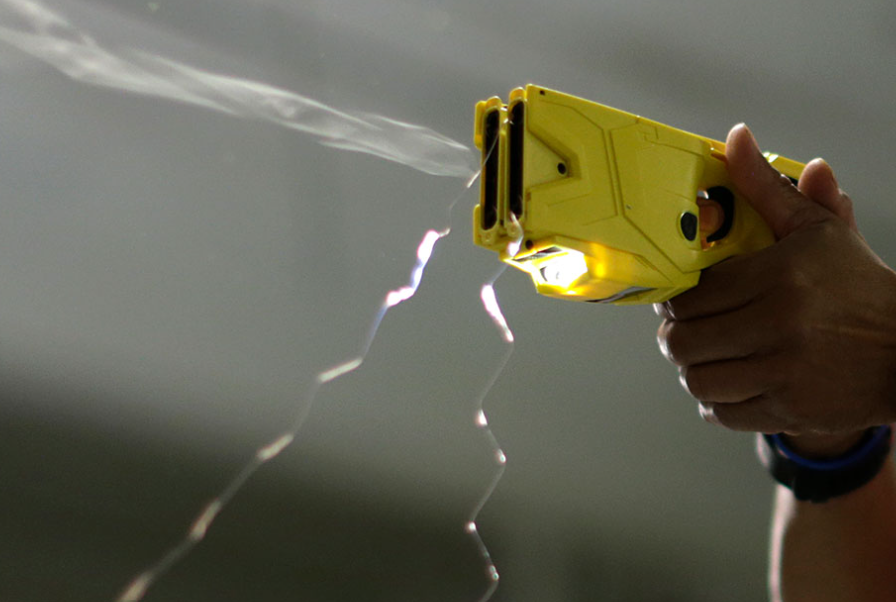
Facing a situation that showed no signs of peaceful resolution through verbal communication alone, police made the tactical decision to deploy a conducted energy weapon, commonly known as a Taser, to immobilise and subdue the man. This use of force represented a carefully calibrated response aimed at containing the threat whilst minimising injury to all parties involved. The Taser proved effective in bringing the suspect's dangerous actions to an immediate halt without requiring more violent physical restraint techniques.
Following the Taser deployment and subsequent restraint, the man was taken into custody and transported to Changi General Hospital whilst remaining conscious. This precautionary medical evaluation ensured that both the effects of the conducted energy device and any underlying health conditions were properly assessed by healthcare professionals. No injuries were reported to other individuals present at the scene or to the police officers involved in the response.
The arrest triggered multiple charges reflecting the various dimensions of his unlawful behaviour. He faces prosecution for public nuisance, reflecting the disruptive and threatening nature of his actions in a residential neighbourhood. Additionally, he was charged with possession of an offensive weapon in a public place, as the saw clearly constituted a dangerous implement under Singapore's strict weapons legislation. The police also processed charges related to suspected controlled substance consumption, suggesting that intoxication or drug-induced impairment may have contributed to his erratic and dangerous conduct.
The drug-related aspect of the case has been formally referred to Singapore's Central Narcotics Bureau for further investigation and potential prosecution. This administrative step indicates that authorities suspect involvement of illicit substances in precipitating the incident, though investigations remain ongoing. Understanding whether drugs played a causal role carries implications not only for this individual case but potentially for public health responses to similar situations across the island state.
This incident reflects broader challenges facing urban police forces in managing mental health crises and substance-related emergencies in densely populated residential areas. The use of Taser technology in such scenarios remains a point of discussion within law enforcement and civil society circles, with proponents arguing it provides a middle ground between non-lethal verbal de-escalation and more severe physical force options. The Singapore Police Force's deployment in this instance resulted in the suspect's arrest without serious injury, though each such incident raises questions about the circumstances that lead individuals to such dangerous states in the first place.
For Malaysian observers monitoring regional policing practices, this incident illustrates how different Southeast Asian jurisdictions approach public order maintenance and crisis intervention. Singapore's rapid response, use of contemporary law enforcement technology, and multi-pronged charging approach contrasts with approaches in other regional contexts. The emphasis on both immediate public safety and subsequent investigation of underlying drug involvement reflects a comprehensive strategy addressing both symptoms and potential root causes of such disturbances.
The broader context of this arrest points to the continued challenge cities across Southeast Asia face in managing individuals in acute psychological or chemical distress whilst maintaining public safety. The incident serves as a reminder that despite relative prosperity and good governance in developed city-states, incidents involving armed, non-compliant individuals in residential areas remain an occasional reality requiring trained emergency response and judicious application of available law enforcement tools.

