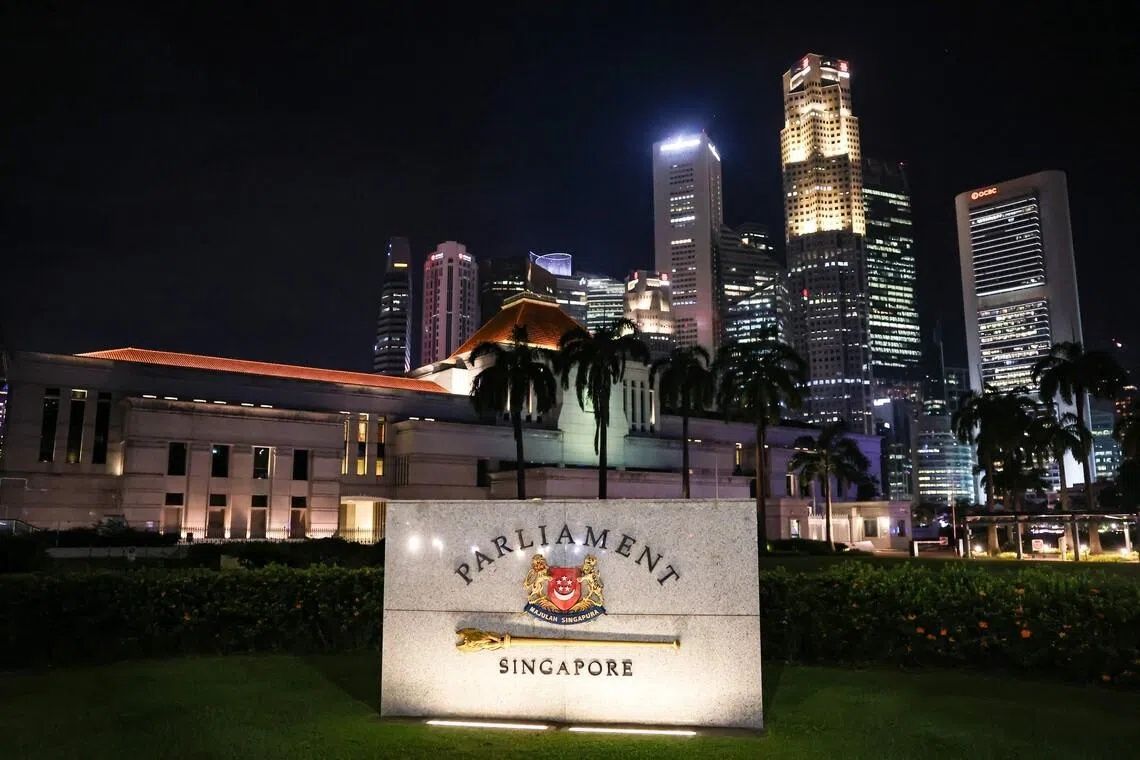
Singapore authorities have moved to prosecute a 40-year-old man arrested for orchestrating a pair of bogus bomb threats targeting high-profile government facilities, including the nation's Parliament House, in what has become an increasingly familiar pattern of cyber-enabled disruption in the city-state.
The Home Team Science and Technology Agency, located at One North, became the first target when it received an online form submission on July 3 claiming an explosive device had been placed within the building. Four days later, on July 7, police fielded another bomb alert—this time an anonymous email directed at the Prime Minister's Office asserting that Parliament House itself harboured a planted bomb. Both allegations proved entirely unfounded following comprehensive security sweeps by officers who systematically examined the buildings and their surrounding areas.
The rapid succession of threats triggered a co-ordinated investigative response. Officers from the Criminal Investigation Department and Central Police Division cross-referenced the digital forensics from both incidents and determined they shared a common origin. The suspect's arrest came on the same day as the second threat, suggesting law enforcement had moved decisively to apprehend the individual. Electronic devices recovered from his possession are believed to have facilitated the submissions, providing crucial evidence in the prosecution case.
The charges prosecutors plan to bring against him relate to communicating false information about a harmful thing—a provision recognising the distinct harm caused by hoax threats rather than genuine criminal intent. Conviction on such counts carries substantial penalties: up to seven years imprisonment, fines reaching S$50,000, or a combination of both. This sentencing framework underscores how seriously Singapore treats false emergency notifications, reflecting a zero-tolerance approach to deliberate disruption of public institutions and emergency response systems.
For Malaysian readers monitoring regional security developments, the Singapore incident illustrates vulnerabilities that extend across Southeast Asia. False bomb threats directed at government facilities have become a recurring nuisance in multiple jurisdictions, suggesting either an increase in individuals willing to perpetrate such hoaxes or simply greater visibility of existing behaviour through digital communication channels. The speed with which Singapore's authorities linked the two incidents—identifying a single perpetrator behind separate threats across different institutions—demonstrates investigative sophistication that regional counterparts increasingly must match.
The resource implications merit particular attention. Police and security agencies expend considerable effort responding to every credible-sounding bomb threat, conducting full evacuations and systematic searches regardless of probability. When such alerts prove false, the opportunity cost becomes substantial: personnel diverted from genuine public safety matters, operational disruptions to essential government services, and psychological stress imposed on buildings' occupants. Singapore's police statement explicitly highlighted this dimension, warning that false threats generate unnecessary anxiety while consuming precious public resources that might otherwise address tangible security concerns.
The digital method employed in this case—online form submissions and anonymous emails—represents an evolution in how bad actors conduct such campaigns. Unlike older telephone-based bomb hoaxes that left clearer voice evidence and localised call records, online submissions create layers of potential anonymity that can complicate investigation. Yet the arrest here demonstrates that forensic examination of electronic devices and digital logs can still yield definitive connections between multiple incidents. Investigators likely traced IP addresses, device signatures, and submission metadata to build their case.
From a Southeast Asian governance perspective, the incident raises questions about balancing open digital communication channels with security safeguards. Both the Home Team Science and Technology Agency and the Prime Minister's Office maintain online submission systems presumably intended to facilitate public feedback or security reporting. Determined bad actors inevitably exploit such channels, creating a dilemma between accessibility and vulnerability. Singapore's response—thorough investigation and prosecution—emphasises deterrence rather than shutting down communication channels entirely.
The timing of these threats during a politically stable period in Singapore suggests they may reflect personal grievance, attention-seeking behaviour, or testing of security responses rather than ideologically motivated activism. Nevertheless, each incident consumes institutional capacity and generates public unease. The prosecution case now underway will provide insight into the suspect's motivations once details emerge through court proceedings. Malaysian authorities monitoring this case will benefit from understanding prosecution strategies and sentencing precedents established in neighbouring jurisdictions, particularly regarding digital false threats.
Looking forward, the incident underscores the persistent challenge of managing security in democratic societies where open institutions remain accessible entry points for disruption attempts. Singapore's swift investigative response and decisive prosecution communicate clearly that such conduct carries serious consequences. Yet the continued occurrence of false threats—despite previous prosecutions—suggests deterrence has limits. Understanding what drives individuals to manufacture bomb hoaxes remains an ongoing puzzle for security researchers and law enforcement agencies across the region, one that purely punitive approaches alone may not fully solve.

