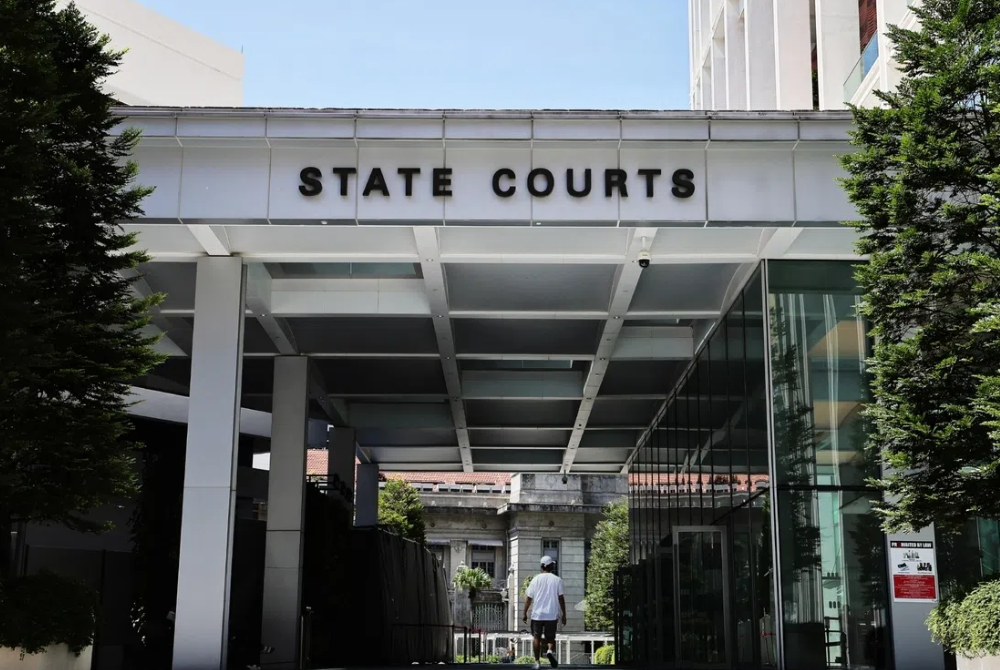
A 31-year-old Singaporean has been handed down a sentence of nine years and ten months in prison, along with eight strokes of the cane, for subjecting primary school children in his care to systematic physical and psychological abuse at a private educational institution. The severity of the sentence, handed down on Friday, August 21, reflects the gravity of the offences committed against vulnerable children who had been entrusted to his supervision.
The offender's treatment of his youngest victim—a six-year-old boy from China—reached levels of depravity that shocked the courts. Beyond the physical violence, which included punching, beating with clothing hangers until they fractured, and stomping on the child's body, the perpetrator inflicted psychological torment designed to humiliate and degrade. Most disturbingly, he forced the child to consume his own urine when the boy expressed thirst. These acts resulted in life-threatening medical consequences, including rib fractures, acute kidney failure that necessitated nine days of dialysis treatment, and sustained physical trauma that left the child unable to stand.
The judicial proceedings revealed a pattern of calculated cruelty woven through the routines of the educational facility. On March 9, 2023, the abuser ordered the six-year-old into a stress position—holding an extended push-up stance—while supposedly studying English. What began as punishment for over an hour extended into a nightmarish 18-hour ordeal that stretched from 3:45 in the afternoon until the following morning. While other students consumed their evening meals, the child remained suspended in this physically demanding position. Between 1:15 and 7 in the morning, he endured punching and stomping, while the abuser placed a chair atop his body and sat upon it, forcing the child to maintain the low position despite mounting physical agony.
The frequency and intensity of the violence defied comprehension. According to District Judge John Ng's assessment, the six-year-old boy sustained at least 600 strikes and was stomped upon at least 40 occasions. The following day, the abuser continued his assault with a clothes hanger wielded with such force that it shattered during the beating, yet he persisted in striking the child with the broken implement. When exhaustion rendered the boy unable to stand, the perpetrator carried him to the toilet and sprayed him with water.
The background of the accused offered limited explanation and no justification for his actions. He had joined the facility in 2016 as a manager, despite lacking any formal teaching credentials, childcare qualifications, or professional child development training. The facility, operated by his aunt, provided residential accommodation for students and offered management consultancy services. His responsibilities supposedly centred on overseeing student welfare, homework supervision, and general care—duties he fundamentally betrayed.
The defence attempted to contextualize the perpetrator's behaviour within his own traumatic childhood, noting that he had endured physical abuse from an alcoholic father and a gangster older brother. However, District Judge Ng firmly rejected this as mitigation, observing that the offender's own experience of abuse should have positioned him better than anyone to refrain from inflicting such treatment upon defenceless children. The judge noted the particular cruelty inherent in a person who had suffered abuse later reproducing that violence against victims who depended upon him for protection and care.
The child's ordeal extended beyond physical harm. The abuser deprived him of regular meals, restricting his diet to bread and water. He forced the boy to sleep in the toilet facility. When the child finally showed signs of critical illness—unable to stand, requiring water assistance—the abuser deliberately withheld medical care for three days, fearing that hospitalization might trigger police investigation into his conduct.
On March 10, 2023, attempting to provide retrospective legitimacy to the abuse, the perpetrator called the child's father in China seeking permission for discipline. He provided no details of the violence already inflicted, nor did he mention that the boy was physically injured and incapacitated. Based on this incomplete and misleading representation, the father consented to further punishment, unaware of the severity of the situation. The abuser exploited this parental authorization to continue his assault throughout the day.
Deputy Public Prosecutors Timotheus Koh and Cheronne Lim presented a compelling case regarding the abuser's violation of the fundamental trust inherent in his role. They emphasized how he had weaponized his position of authority against the most vulnerable members of the facility, subjecting them to systematic violence and psychological degradation. The prosecutors highlighted that the child endured not only the physical assaults but also deliberate deprivation and humiliation designed to break his spirit.
The sentencing also addressed the abuser's effort to conceal his conduct. He was found guilty of providing false or misleading information to the Ministry of Manpower, underlining his recognition that his actions constituted criminal conduct. The convictions encompassed child abuse, voluntarily causing grievous hurt, and these documentation offences. The offender had entered guilty pleas on July 9, accepting responsibility for his actions, though this did not substantially mitigate the court's response.
The case carries profound implications for child safeguarding practices across educational institutions in Singapore and the region. It exposes the dangers inherent in hiring unqualified personnel for child-facing roles, particularly in residential settings where oversight is minimal and opportunities for concealment are maximized. The incident raises critical questions about institutional accountability, regulatory inspections, and the mechanisms through which child welfare concerns reach authorities.
For Malaysian readers and Southeast Asian observers, this case underscores the vital importance of robust child protection frameworks, mandatory professional qualifications for anyone working with children, and transparent reporting mechanisms that prioritize child welfare over institutional reputation. The case demonstrates how quickly positions of trust can be perverted into instruments of systematic abuse when adequate safeguards are absent. The severity of the sentence reflects contemporary understanding that child abuse demands proportionate punishment commensurate with the severity and duration of harm inflicted.

