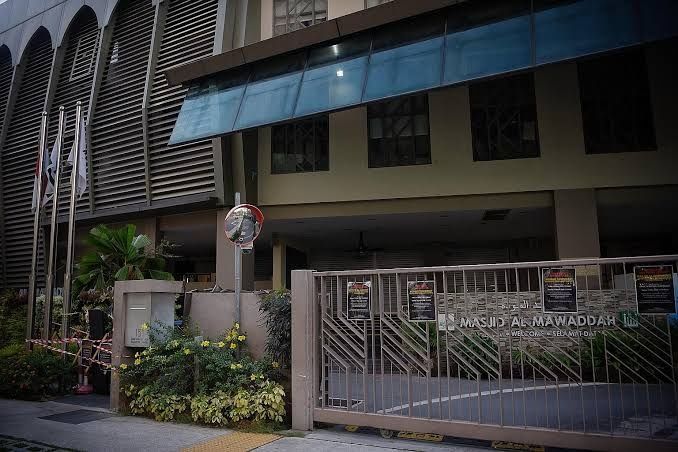
A senior finance executive employed at Al-Mawaddah Mosque in Compassvale Bow, Sengkang, has been formally charged with criminal breach of trust following allegations that he stole more than S$14,000 from the mosque's donation boxes. Mohamed Muhaimin Mohamed Sulaiman, 42, appeared in court on August 12 to face a single charge related to the systematic misappropriation of funds that authorities say occurred repeatedly over a four-month period.
According to police records, the alleged offences took place on at least 15 separate occasions spanning from February 6 through May 15. The pattern of repeated thefts suggests a calculated scheme rather than isolated incidents, raising questions about internal oversight and financial controls at the religious institution. The discovery of the alleged misconduct prompted authorities to launch an investigation, which culminated in the formal charges brought against Muhaimin.
Police received the initial report about the matter on May 16, marking the beginning of their formal inquiry into the donation box thefts. The relatively quick turnaround between the report and the charging decision indicates that investigators gathered sufficient evidence to proceed with prosecution relatively swiftly. The August 12 charging date suggests police spent approximately three months building their case and conducting interviews with relevant witnesses and mosque officials.
Muhaimin's bail has been set at S$10,000, a threshold that allows him to remain outside custody while awaiting trial proceedings. His case is scheduled for a further court mention on September 16, when additional details about the prosecution and defence may be revealed. The bail amount reflects the court's assessment of both the seriousness of the alleged offence and the perceived flight risk posed by the accused.
The implications for the accused are severe should he be convicted. Singapore's Penal Code prescribes a maximum prison sentence of 15 years and an additional fine for those found guilty of criminal breach of trust. Such sentencing guidelines underscore the gravity with which Singapore treats breaches of fiduciary duty, particularly in positions of financial responsibility within community institutions.
The incident highlights the vulnerability of religious institutions to internal financial fraud, a concern that resonates across faith communities throughout Southeast Asia. Donation boxes and collection systems remain common funding mechanisms for mosques, temples, churches, and other places of worship, yet they often operate with minimal external auditing or oversight. The Al-Mawaddah Mosque case demonstrates how trust placed in senior staff members can be exploited when adequate financial controls are absent.
For Singapore's Muslim community and the broader religious landscape, the case raises important questions about institutional governance and accountability. The Islamic Religious Council of Singapore, the primary regulatory body overseeing Muslim affairs in the city-state, will likely review its guidelines and recommendations regarding financial management at individual mosques. Such incidents typically trigger wider discussions about implementing stronger internal controls, regular audits, and clearer segregation of duties among finance staff.
The timing of the alleged offences is notable, occurring during the Islamic holy month period when charitable giving typically increases. Muslims are encouraged to give Zakat, Sadaqah, and other voluntary contributions during Ramadan and throughout the year, making the donation boxes particularly vulnerable targets for misappropriation during periods of heightened religious activity. The fact that the thefts allegedly spanned from February through May suggests they may have included the Ramadan period, when donations are typically more substantial.
The Straits Times' efforts to ascertain Muhaimin's current employment status reflect broader public concern about whether individuals facing serious criminal charges remain in positions of financial access and trust. Employment decisions by religious institutions following criminal charges often balance due process principles against duty-of-care obligations to their congregations. The disclosure of his employment status will provide insight into how the mosque has responded to the allegations.
For Malaysian readers, this case carries particular relevance given the cross-border movement of people and ideas between Singapore and Malaysia, as well as shared concerns about financial transparency in religious institutions. Malaysia has witnessed its own high-profile cases of misappropriation within religious contexts, making the Singapore prosecution noteworthy as a precedent for how Southeast Asian jurisdictions handle such matters. The case also demonstrates Singapore's robust enforcement mechanisms and transparent prosecution processes, which contrast with varying levels of institutional accountability across the region.
The broader context involves growing awareness throughout Southeast Asia regarding financial governance in religious organisations. Donors increasingly expect transparency and accountability from institutions managing their contributions. The Al-Mawaddah Mosque incident serves as a cautionary tale about the importance of implementing rigorous financial oversight systems, regular independent audits, and clear whistleblower mechanisms that allow congregation members to report concerns without fear of repercussions.
As the case proceeds through Singapore's courts, attention will likely focus on how the institution strengthens its internal controls and rebuilds donor confidence. Religious organisations facing such challenges often implement multiple safeguards, including electronic donation systems with automated tracking, mandatory dual authorisation for fund transfers, regular reconciliation of accounts, and independent review by external auditors. The resolution of Muhaimin's case may ultimately influence practices across mosques throughout Singapore and the broader region.

