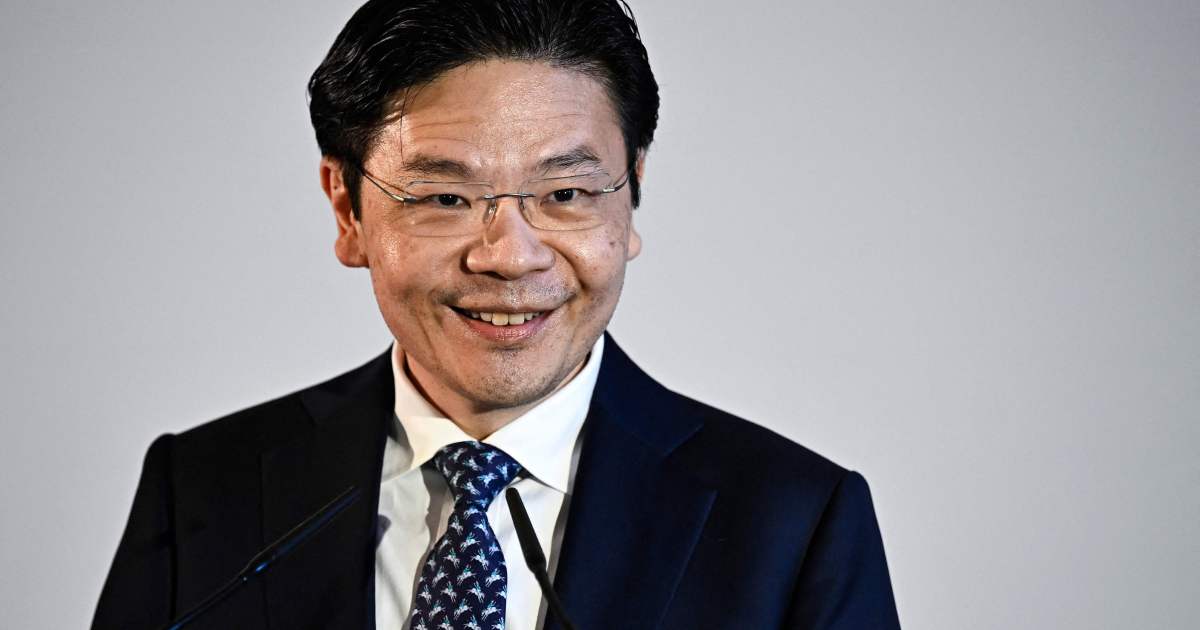
Prime Minister Lawrence Wong of Singapore unveiled a substantial restructuring of the Cabinet on Wednesday, introducing new appointments and reassignments that underscore the city-state's ongoing transition in political leadership. The reshuffle reflects both the government's response to recent departures of high-ranking officials and its broader strategy to position the next generation of leaders within the administration.
The Cabinet changes come at a pivotal moment for Singapore's governance structure. Wong, who assumed the prime ministerial role as part of the leadership succession plan mapped out by his predecessor Lee Hsien Loong, has signalled his intention to place his distinct imprint on the Cabinet composition. These moves are characteristic of Singapore's measured approach to political transitions, where changes are often announced with considerable advance notice and executed in phases to ensure governmental continuity.
The resignations that precipitated this reshuffle represent significant departures from Singapore's political establishment. While specific details of which officials vacated their positions remain crucial context, such resignations typically spark broader Cabinet recalibrations as the Prime Minister rebalances portfolios and identifies suitable replacements from the pool of established and emerging political talent within the ruling People's Action Party.
New appointments announced by Wong appear designed to strengthen ministerial capacity across key government functions. Singapore's Cabinet structure traditionally emphasises expertise and merit-based advancement, and the new political appointments likely reflect an assessment of which leaders are best positioned to address contemporary governance challenges. These range from economic management in an uncertain global environment to sustaining Singapore's competitiveness in technology and green energy transitions.
The timing of this reshuffle carries significance for Malaysia and the broader Southeast Asian region. Singapore's political stability and effective governance directly influence regional economic dynamics, given the island nation's role as a financial hub and strategic node in regional trade networks. Leadership transitions here are watched carefully across the region, as they can signal shifts in policy priorities or diplomatic emphasis.
For Malaysian readers, Wong's Cabinet reconfiguration warrants attention regarding bilateral relations and cross-border cooperation frameworks. Singapore and Malaysia maintain multiple collaborative arrangements spanning trade, transportation, and security matters. Changes in Singapore's Cabinet composition may affect the seniority or focus of ministers responsible for managing these relationships, potentially influencing the pace or priority of ongoing negotiations around issues such as the High-Speed Rail project or water agreements.
Wong's approach to Cabinet-building also reflects Singapore's particular governance model, which emphasises technocratic efficiency and party discipline. Unlike more fragmented political systems, Singapore's Cabinet appointments typically proceed without the bargaining and coalition-balancing that characterises many democracies. This allows for rapid implementation of policy decisions but also means that Cabinet composition closely reflects the Prime Minister's personal strategic vision and priorities for the administration.
The new political appointments may include promotions of younger ministers to more senior roles, a practice consistent with Singapore's succession planning philosophy. The government has long invested in identifying and developing leadership talent several years in advance, ensuring a pipeline of capable administrators ready to assume greater responsibility. Wednesday's announcement likely includes such progression, with some ministers moving to more prominent portfolios while others potentially transition to advisory roles.
Regional observers will be attentive to whether the reshuffle produces changes in ministerial responsibility for foreign affairs or trade matters. Singapore's external engagement strategy has evolved in recent years as the region navigates great power competition and economic fragmentation. The specific allocation of responsibilities for international relations within Wong's Cabinet could provide signals about Singapore's intended positioning on regional geopolitical questions.
The Cabinet changes also reflect Singapore's need to maintain governmental vitality and prevent institutional sclerosis. Regular reshuffles allow leaders to test promising administrators in new portfolios, refresh public-facing messaging through different personalities, and respond to changing circumstances that require particular expertise. In this instance, recent resignations have created opportunities for the Prime Minister to implement changes that might not have occurred on his preferred timeline.
Wong's Cabinet reshuffle demonstrates continuity with Singapore's long-established patterns of orderly political succession while simultaneously allowing scope for innovation in policy emphasis or administrative approaches. The new appointments will be scrutinised both domestically and internationally for clues about the government's priorities for the coming period. For businesses and governments across Southeast Asia, including Malaysia, the reshuffle merits careful attention as an indicator of how Singapore intends to navigate regional economic and geopolitical challenges ahead.

