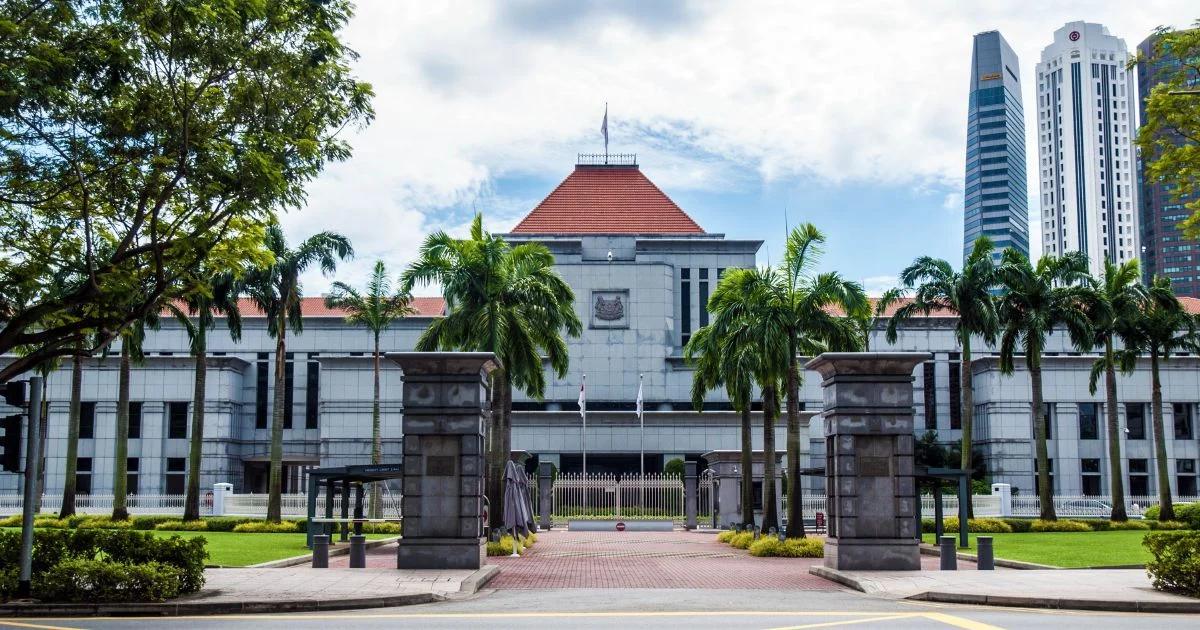
Singapore police have taken a 40-year-old man into custody following an investigation into anonymous bomb threats that targeted two critical government facilities in the city-state. The suspect is being investigated for his alleged involvement in the threats directed at Parliament House and the Home Team Science and Technology Agency, commonly known as HTX, according to a statement from the Singapore Police Force.
Bomb threats directed at high-profile government institutions represent a serious security concern for any nation, triggering immediate emergency protocols and disrupting normal operations. In Singapore's context, where tight security measures are a defining feature of public administration, such threats warrant swift and decisive law enforcement response. The targeting of both Parliament and HTX suggests either a deliberate campaign against multiple government entities or a concerning pattern of threatening behaviour that extends across institutional boundaries.
Parliament House serves as the seat of Singapore's legislative authority and hosts regular parliamentary sessions attended by Members of Parliament and government officials. The Home Team Science and Technology Agency, meanwhile, functions as a specialist technology division supporting Singapore's internal security apparatus, making both institutions strategically sensitive from a national security perspective. The simultaneous nature of threats against these two distinct organisations indicates a coordinated approach rather than isolated incidents.
The arrest represents the culmination of investigative work by Singapore's law enforcement agencies, who likely deployed resources to trace the origins of the anonymous threats through digital forensics and traditional investigative techniques. Singapore's Police Force maintains sophisticated capabilities for tracking online communications and identifying perpetrators of anonymous threats, particularly those targeting government infrastructure. The successful identification and apprehension of the suspect demonstrates the effectiveness of these methods in protecting critical national institutions.
Anonymous threat-making, particularly threats involving explosives, carries serious legal consequences in Singapore under its strict security laws. The city-state maintains comprehensive legislation designed to prevent and prosecute acts of terrorism and public disorder. Individuals making such threats face investigation not only for the threats themselves but also for potential charges related to causing public alarm and endangering security.
This incident underscores the persistent challenge that security agencies across Southeast Asia face in protecting government facilities from physical and digital threats. While Singapore benefits from advanced security infrastructure and surveillance capabilities, the emergence of anonymous threats reveals evolving tactics employed by individuals seeking to disrupt government operations or generate public concern. Regional governments increasingly grapple with balancing open democratic institutions with robust security measures.
The consequences of bomb threats extend beyond the immediate security response. Parliament operations, public access to government facilities, and routine administrative functions can be significantly disrupted when such threats are received and investigated. These disruptions represent real costs to governance and public service delivery, making threat-making a destabilizing tactic that authorities take with utmost seriousness regardless of whether credible explosives are involved.
For regional observers, this incident illustrates Singapore's commitment to maintaining public order and institutional security through rapid investigative and prosecutorial mechanisms. The Lion City has established itself as a jurisdiction where threats against government authority face swift consequences, serving as a deterrent to potential perpetrators. However, the occurrence of such threats also reflects broader trends in which individuals attempt to challenge or disrupt government operations through intimidation tactics.
The investigation process typically involves detailed forensic analysis of how threats were communicated, whether through email, social media, telephone, or other channels. Authorities examine digital footprints, communication metadata, and technical details that can reveal the suspect's identity despite attempts at anonymity. In this case, investigative success suggests that the suspect left traceable digital evidence or engaged in behaviour patterns that led authorities to his identity.
The arrest raises important questions about motivation that remain unanswered pending further investigation and potential court proceedings. Understanding whether the threats stemmed from ideological motivations, personal grievances, mental health factors, or other causes becomes crucial for assessing broader security implications. Singapore's security establishment will conduct thorough analysis to determine whether this represents an isolated incident or potential indicator of wider risks to government institutions.
For Malaysia and other Southeast Asian nations, Singapore's response demonstrates the importance of investing in digital forensics capabilities and rapid response protocols for security threats. As governments across the region become increasingly digital in their operations, threats targeting institutional infrastructure become more feasible for determined individuals. Regional cooperation on security intelligence and best practices in threat assessment becomes increasingly valuable.
Looking forward, this case will likely inform Singapore's ongoing assessment of security vulnerabilities at government facilities. Threat incidents, even those that do not materialise into actual attacks, provide valuable information about potential attack vectors and weaknesses that organisations can address. The investigation and any subsequent prosecution will also serve as a publicised consequence that deters similar behaviour from other potential perpetrators.
The successful apprehension of the suspect reflects Singapore's mature and effective law enforcement apparatus, though the incident itself reveals that no institution remains entirely immune from threatening behaviour. Authorities' ability to transform anonymous threats into identified suspects demonstrates technical capability and investigative competence that Singapore has cultivated over decades of managing security in an open, economically important city-state.

