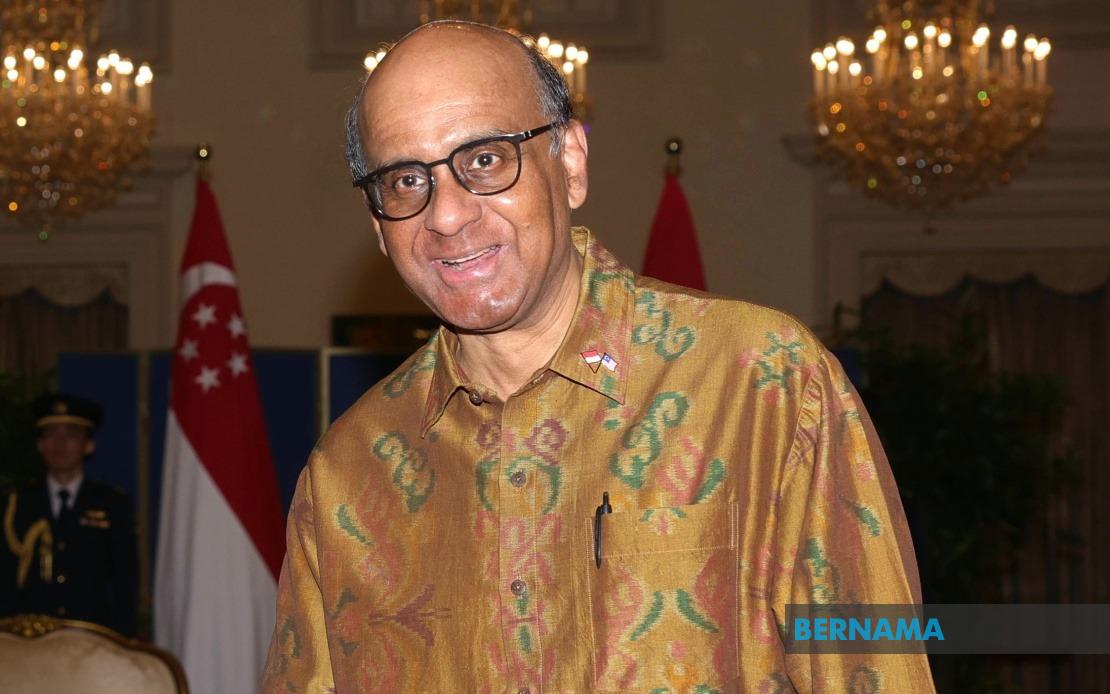
Singapore President Tharman Shanmugaratnam is set to arrive in Malaysia on July 13 for a three-day state visit through July 15, representing a significant diplomatic milestone in the longstanding relationship between the two neighbouring nations. The visit comes at the formal invitation of His Majesty Sultan Ibrahim, King of Malaysia, and marks Tharman's inaugural state visit to Malaysia since his inauguration as Singapore's ninth president in September 2023.
This diplomatic engagement serves as an official reciprocation of His Majesty's state visit to Singapore in May 2024, demonstrating the cyclical nature of high-level exchanges that characterise bilateral relations between Kuala Lumpur and Singapore. The Malaysian Foreign Ministry emphasised that the three-day engagement reflects the robustness of the partnership between the two countries and signals intensifying cooperation in areas of strategic importance to both nations.
The presidential delegation will include Tharman's spouse, Jane Ittogi Shanmugaratnam, alongside a contingent of government ministers and senior officials from Singapore. During his time in Malaysia, Tharman will participate in a State Welcoming Ceremony, followed by a formal audience with His Majesty at Istana Negara. The schedule also includes an elaborate State Banquet in his honour, underscoring the ceremonial importance Malaysia places on the visit.
Among the planned engagements is a courtesy call from Prime Minister Datuk Seri Anwar Ibrahim, which will afford the two leaders an opportunity to discuss bilateral matters of mutual concern and coordinate on regional issues affecting both nations and the broader Southeast Asian community. Such high-level discussions typically address trade facilitation, security cooperation, and ongoing initiatives within ASEAN frameworks.
The economic dimension of the Malaysia-Singapore relationship cannot be overstated. Singapore ranks as Malaysia's second-largest trading partner globally and stands as Malaysia's most significant trading partner among the ten ASEAN member states. This commercial interdependence reflects decades of integrated supply chains, financial linkages, and mutual investment that bind the two economies together.
Bilateral trade figures underscore the intensity of this economic engagement. Total merchandise and services trade between Malaysia and Singapore reached RM402.35 billion, equivalent to approximately US$93.97 billion, in 2025, registering a modest 1.5 per cent increase from the preceding year. While this represents steady growth, it reflects the mature nature of their trading relationship and the challenges both economies face in the current global environment.
More recently, trade data from the first five months of 2026 reveals accelerating momentum in bilateral commerce. During January to May 2026, total bilateral trade expanded by 14.5 per cent to reach RM189.90 billion, or US$47.87 billion, compared with RM165.93 billion (US$37.65 billion) recorded during the corresponding period in 2025. This substantial acceleration suggests renewed vigour in cross-border trade and could indicate successful implementation of trade facilitation measures or heightened demand for key products.
For Malaysian readers and observers, this state visit carries particular significance as it reinforces Singapore's role as a crucial economic partner and regional anchor. The diplomatic protocol extended to President Tharman—including the full ceremonial treatment with state welcoming ceremonies and banquets—signals Malaysia's commitment to maintaining the close working relationship with its island neighbour despite occasional tensions over bilateral issues.
The timing of the visit also reflects broader regional dynamics within ASEAN, where Malaysia and Singapore, despite their different political systems and occasional diplomatic friction, continue to collaborate on security matters, maritime issues, and economic integration. Tharman's visit provides an opportunity to reset any diplomatic atmospherics and chart a course for deeper cooperation on emerging challenges such as digital economy development, sustainability, and regional stability.
For the broader Southeast Asian region, the Malaysia-Singapore engagement remains instructive. As the two most economically developed nations in ASEAN with significant influence within regional institutions, their commitment to maintaining cordial relations and deepening integration serves as an anchor for ASEAN cohesion. The state visit thus transcends bilateral diplomacy and touches on regional architecture and the principles of neighbourly cooperation that have enabled ASEAN's half-century of relative stability.
The presidential visit also carries implications for Malaysia's evolving diplomatic strategy in Southeast Asia. By according full state honours to Singapore's head of state, Malaysia reaffirms its interest in maintaining a rules-based approach to bilateral relations and demonstrates its commitment to peaceful, prosperous engagement with all regional partners, particularly those with whom historical complexities exist.
Looking ahead, the outcomes of Tharman's visit—whether through joint statements, renewed memoranda of understanding, or announcements regarding specific cooperation initiatives—will likely provide a lens into the health of the Malaysia-Singapore relationship and the trajectory of bilateral ties over the coming years. Trade figures suggest economic vitality, while diplomatic gestures indicate political stability in this crucial relationship.

