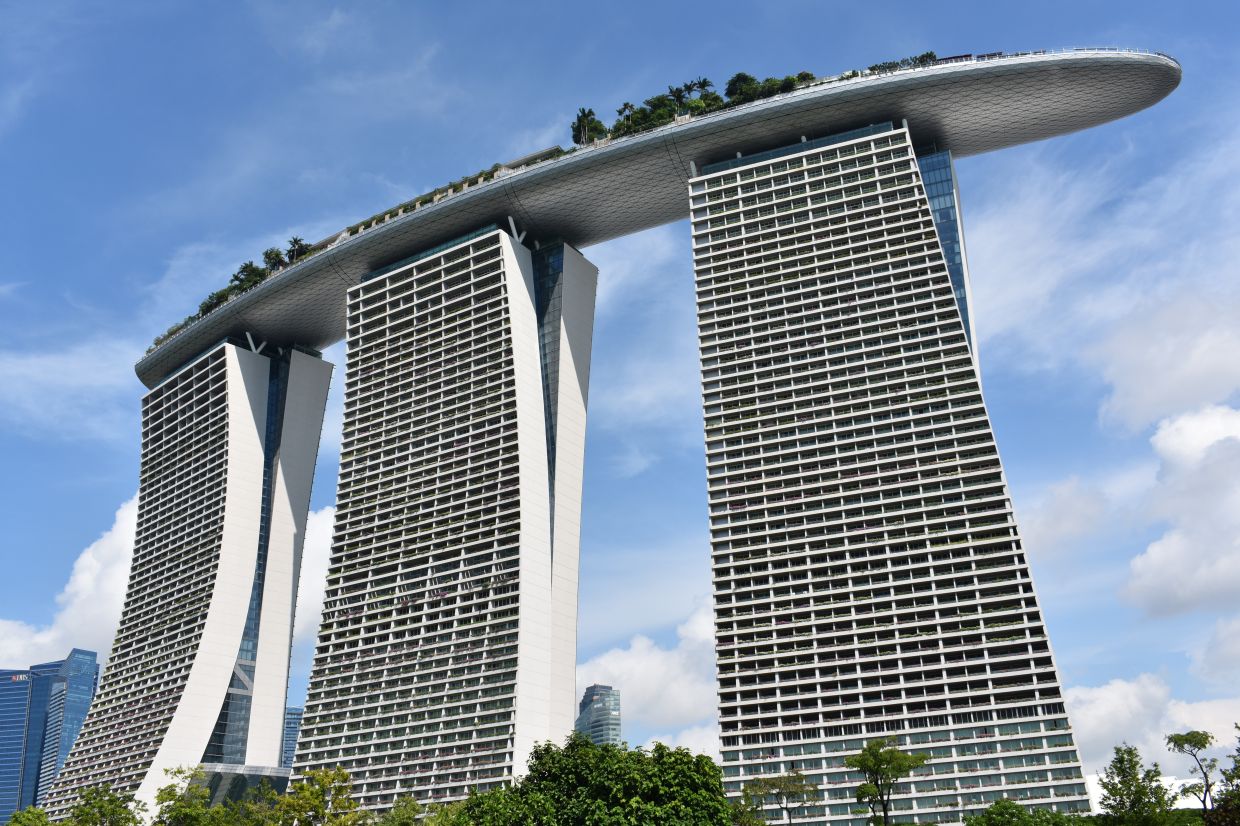
The widening performance gap between Singapore's two major casinos has thrown a spotlight on the structural challenges facing Resorts World Sentosa, as rival Marina Bay Sands continues to dominate the lucrative high-roller segment. First-half 2026 gaming revenues tell a stark story: Marina Bay Sands generated more than $2.1 billion compared to Resorts World Sentosa's less than a third of that figure, underscoring a competitive imbalance that has sharpened considerably over recent years even as Singapore's overall casino market has expanded.
The regulatory environment has grown noticeably cooler for Sentosa's operator, Genting Singapore Ltd. In November 2024, Singapore's Gambling Regulatory Authority described the Sentosa resort's tourism performance as "unsatisfactory," signalling deeper concerns beyond quarterly earnings reports. Rather than issuing the customary three-year license renewal, authorities granted only a two-year term commencing February 2025, a deliberate step designed to pressure performance improvements. The regulator is currently evaluating Sentosa's renewal application ahead of the February 2027 expiration deadline, with the entire integrated resort's operational performance under scrutiny. By contrast, Marina Bay Sands secured a full three-year renewal last year, reflecting markedly different regulatory confidence in the two operators.
The competitive dynamics reveal much about how high-roller psychology drives casino economics in Southeast Asia's premier gambling hub. While Resorts World Sentosa offered Lunar New Year draw prizes including cognac bottles, Marina Bay Sands presented luxury automobiles to top winners—a reflection of vastly different marketing muscle and customer targeting strategies. Becoming a VIP casino member typically requires deposits or spending of at least S$100,000 initially, with further accumulation needed to secure permanent club status. These tier-one customers, despite representing a smaller headcount than mass-market players, generate outsized contributions to overall casino profitability and are the primary focus of competitive positioning between the two properties.
Marina Bay Sands has cultivated a distinctly premium positioning that extends well beyond the gaming floor. The property's VIP club offers butler-service suites, exclusive theatre tickets and dining credits at high-end restaurants, complemented by the integrated resort's architectural cachet: three 57-story hotel towers topped by the iconic boat-shaped rooftop, an art museum and upscale shopping galleries. This carefully curated luxury ecosystem has proven extraordinarily attractive to high-value customers. Market share data from DBS research illustrates the intensity of the competition: Sentosa's VIP market share tumbled from majority levels in 2023 to around 20 percent in the first quarter of 2026, though it recovered somewhat to 36 percent recently, suggesting volatile customer loyalty and the fragile nature of Sentosa's current positioning.
Complaints from Sentosa's VIP club members reveal operational shortcomings that transcend marketing messaging. Club members have raised concerns about aging infrastructure, perceived unresponsiveness to customer feedback and cumbersome chip-and-cash exchange procedures—operational details that matter intensely to discerning high rollers. These grievances suggest that Sentosa's challenges run deeper than mere marketing execution or prize generosity; they reflect accumulated underinvestment and organizational complacency that have widened the competitive gap. Genting Singapore has acknowledged maintaining close engagement with authorities and pointed to recent additions of new attractions and hospitality enhancements, framing the company's strategy around positioning for sustainable decade-long growth rather than short-term market share recovery.
Singapore's broader casino market dynamics have shifted substantially since the 2010 launch of both properties. The Southeast Asian financial hub has experienced a pronounced post-pandemic recovery in tourist arrivals and a corresponding influx of wealthy gamblers from neighbouring countries and mainland China. Visa-free entry to Singapore has proven particularly attractive to Chinese nationals seeking gambling venues outside Macau, where Chinese government crackdowns on casino junkets and illicit money-exchange operations have disrupted the regional gambling landscape. For some mainland high rollers, Singapore offers an additional advantage: perceived privacy protection and reduced risk of personal financial data being shared with Chinese authorities—a concern that has made Macau an increasingly less attractive option for this demographically significant customer segment.
The structural advantages favouring Marina Bay Sands extend to strategic capital deployment and long-term competitive positioning. Las Vegas Sands Corporation has initiated an $8 billion makeover and expansion programme that includes an additional 55-story hotel tower and a live entertainment arena, further entrenching the property's premium positioning. Meanwhile, Genting Singapore is undertaking a S$6.8 billion revamp of Resorts World Sentosa scheduled for completion by 2030, encompassing an all-suite luxury hotel, oceanarium expansion and the addition of Super Nintendo World to Universal Studios Singapore. While both properties are investing heavily, the timing and scale of these initiatives suggest Marina Bay Sands is moving more aggressively to consolidate its competitive advantage during the interim period before Sentosa's upgraded facilities come online.
Industry analysts have begun projecting a sobering outlook for Sentosa's ability to recover lost market share. Ben Lee, managing partner at IGamiX consulting in Macau, argues that Sentosa has fundamentally failed to match the "luxuriate experience" that Marina Bay Sands delivers to high-value customers, suggesting structural rather than temporary disadvantages. Vitaly Umansky, a Hong Kong-based senior analyst at Seaport Research Partners, characterizes Sentosa's recovery challenge as requiring substantial effort to reclaim market share, implying that current trajectories favour continued consolidation around Marina Bay Sands. The regulatory signalling through shortened license tenure amplifies these competitive pressures by creating immediate accountability for performance improvement rather than allowing gradual recovery strategies.
The regulatory framework itself constrains potential consolidation dynamics that might reshape Singapore's casino duopoly. Consumer analyst Zheng Feng Chee at DBS Group Holdings characterizes the shortened license as a "soft threat" designed to motivate operational improvements, while acknowledging that few operators possess sufficient financial resources to acquire Sentosa outright. This dynamic leaves Genting Singapore in a vulnerable but not immediately terminal competitive position: the company must demonstrably improve performance to secure normal three-year license renewals, yet lacks the immediate crisis conditions that might trigger ownership changes or radical strategic repositioning. The February 2027 license decision will therefore function as a critical juncture determining whether Sentosa can stabilize its position or face intensifying regulatory and competitive pressure.
For Malaysian readers, the Sentosa-Marina Bay Sands competition carries particular relevance given Genting Singapore's majority ownership by Malaysian leisure, real estate and hospitality group Genting. The performance pressures on Sentosa therefore reflect directly on Genting's regional gaming and resort operations, potentially influencing capital allocation and strategic prioritization across the Genting portfolio. Additionally, the broader competitive dynamics illuminate how Southeast Asian gaming jurisdictions are competing for high-roller traffic as regional wealth accumulates and traditional gambling hubs like Macau face regulatory headwinds. Singapore's ability to capture mainland Chinese and regional high-roller spending through superior operational execution and perceived privacy protections suggests a broader geographical shift in gaming market dynamics that may have implications for Malaysia's own gaming and resort sectors as regional wealth patterns and regulatory environments continue evolving.

