Singapore's Prime Minister Lawrence Wong reached out to Indonesia's President Prabowo Subianto on Sunday to convey the city-state's sympathies following a devastating earthquake that struck off the coast of Flores in eastern Indonesia two days prior. The disaster claimed more than 50 lives, injured at least 135 people, and left hundreds of structures damaged across the affected region. Through a Facebook post, Wong articulated the sorrow felt by Singapore in response to the catastrophe and pledged the solidarity of the broader Singapore Government with those grappling with the aftermath.
The initial tremor, which measured 7.7 on the magnitude scale, struck early on Saturday, August 15, triggering widespread destruction across Flores island. The seismic event was particularly violent, prompting approximately 5,000 residents to abandon their homes immediately as the ground shook beneath them. The Indonesian national disaster agency reported that the initial quake was followed by a relentless sequence of nearly 1,000 aftershocks over the subsequent hours, prolonging the anxiety and danger faced by survivors who feared additional structural collapses and further casualties.
Complicating the disaster scenario, a second significant earthquake measuring 6.1 in magnitude struck off the northern coast of Sumatra just hours after the initial Flores event. However, this secondary tremor, occurring in a different geographic location, did not immediately result in reported fatalities, though assessments were still ongoing. The double seismic event underscored Indonesia's vulnerability to tectonic activity, as the sprawling archipelago sits along the Pacific Ring of Fire, one of the world's most seismically active regions where the collision of multiple tectonic plates creates constant geological tension.
Wong's official message, shared publicly through social media, reflected Singapore's traditional approach to regional crises by emphasising bilateral solidarity and acknowledging the immediate humanitarian challenge. He articulated specific sympathy toward the bereaved families and those directly impacted by the earthquakes, while also recognising the substantial efforts being mounted by Indonesian authorities and emergency responders. The Prime Minister's statement underscored that Singapore's focus remained on supporting the relief and recovery operations being coordinated across the affected areas.
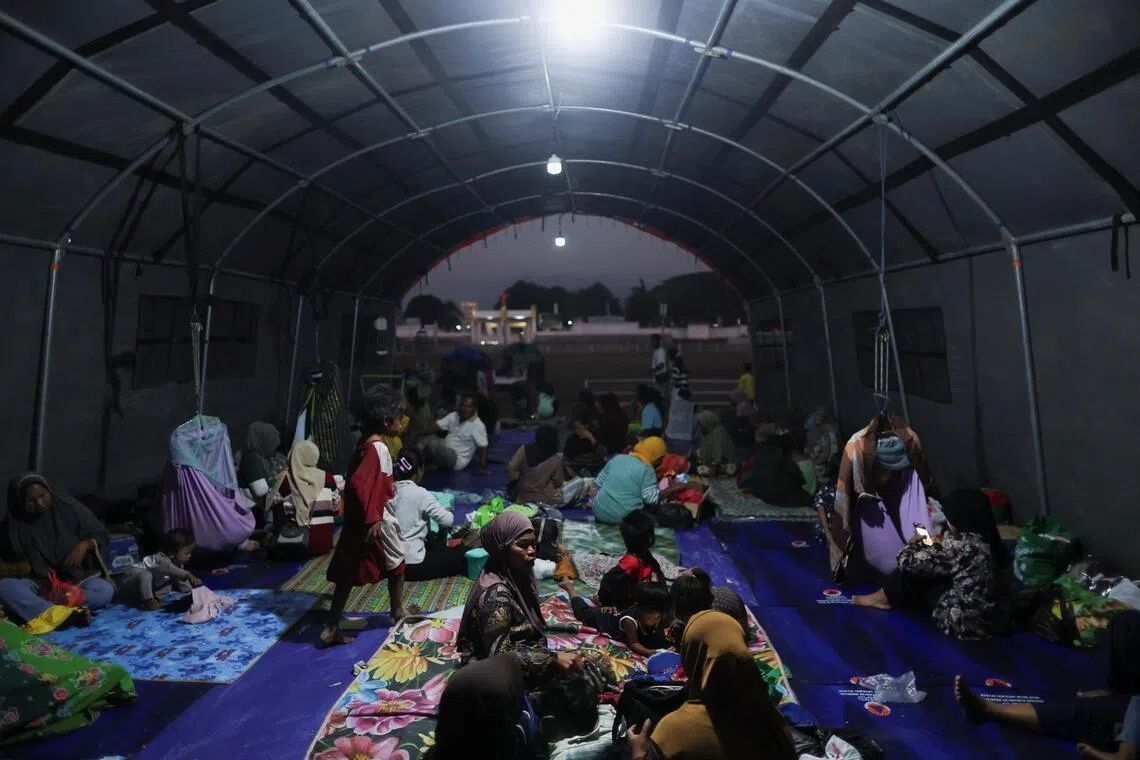
The scale of displacement was particularly striking, with thousands of families forced into emergency shelters or makeshift accommodation. As of August 16, survivors faced acute shortages of essential supplies required for survival and basic dignity. Rescue operations identified urgent needs including emergency tents, adequate food supplies, medical provisions, potable water, and electricity-generating equipment to restore some semblance of functionality to disaster zones. The speed with which humanitarian assessments catalogued these requirements reflected the severity of infrastructure damage wrought by the initial quake and its countless aftershocks.
For Malaysia and other Southeast Asian nations, such disasters carry particular resonance given the region's shared seismic and meteorological vulnerabilities. The Flores earthquake served as a reminder of the interdependence among ASEAN members during times of crisis, with neighbouring countries often playing crucial roles in supporting recovery efforts through material aid, technical expertise, and diplomatic coordination. Singapore's swift diplomatic response set a precedent for regional engagement, signalling that regional partners would not remain passive observers during Indonesia's emergency.
Indonesia's President Prabowo received Wong's message at a moment when his administration was mobilising resources across multiple government departments to orchestrate a coordinated response. The scale of the disaster demanded rapid decision-making regarding resource allocation, emergency logistics, and the deployment of military and civilian personnel to remote affected areas. International expressions of solidarity from neighbouring governments, including Singapore, provided both diplomatic comfort and practical reinforcement of the principle that regional cooperation would be essential to managing the crisis effectively.
The concentration of damage on Flores island, a region already characterised by limited infrastructure and economic development relative to other parts of Indonesia, raised concerns about recovery timelines and the medium-term social impact on vulnerable populations. Rural communities on the island often lacked the institutional capacity and financial reserves necessary to rebuild independently, making external support critically important. This context underscored why statements from neighbouring governments carried weight beyond mere diplomatic convention, as they potentially signalled willingness to provide substantive assistance beyond expressions of sympathy.
The succession of natural disasters affecting the region throughout 2024 had already tested ASEAN's disaster management protocols and mutual aid frameworks. Each crisis provided lessons and opportunities to strengthen cross-border coordination mechanisms, pre-positioned relief supplies, and rapid-response protocols. Wong's message implicitly affirmed Singapore's commitment to these evolving regional mechanisms, positioning the island nation as a reliable partner during times of geological and humanitarian emergency, a role consistent with its broader approach to Southeast Asian engagement.

