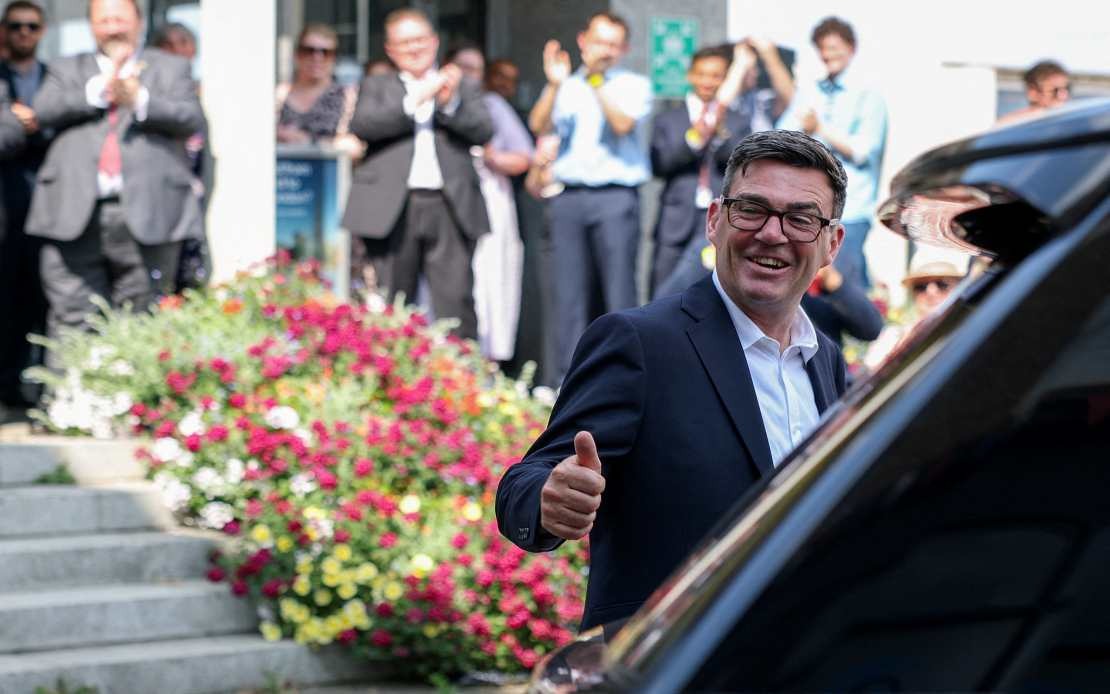
Singapore Prime Minister Lawrence Wong has formally congratulated Andy Burnham following his appointment as United Kingdom Prime Minister, underscoring the importance of sustained engagement between the two nations at a time of significant geopolitical realignment. The congratulatory message, delivered on Monday, arrives as both countries prepare for heightened diplomatic responsibilities in the coming years, with Singapore assuming the ASEAN Chairmanship and Britain holding the G20 Presidency in 2027. This timing reflects a deliberate effort to position the Singapore-UK partnership as a stabilising force amid regional and global uncertainties.
In his letter, Wong highlighted the breadth of the existing Strategic Partnership between Singapore and the United Kingdom, emphasising that decades of accumulated trust and multifaceted cooperation form the bedrock of their relationship. The Prime Minister expressed particular optimism about expanding collaboration in innovation, science and technology, and defence—sectors where both nations possess considerable capabilities and shared strategic interests. This emphasis on technological and scientific cooperation aligns with Singapore's broader pivot towards high-value sectors and reflects its desire to anchor advanced partnerships with developed economies facing similar challenges in maintaining economic competitiveness.
Wong's message also underscored Singapore's strategic value to the United Kingdom's presence and influence in the Asia-Pacific region. By highlighting Singapore's role as an ASEAN Dialogue Partner and its participation in the Five Power Defence Arrangements alongside Britain, Wong subtly reminded the new British administration of the infrastructure already in place for military and security cooperation. This framework, which includes Australia, New Zealand, and Malaysia, represents one of the most enduring multilateral defence mechanisms in Southeast Asia and continues to provide Britain with operational leverage and intelligence-sharing capabilities in a region increasingly vital to global trade and security.
The emphasis on the UK's continued regional engagement holds particular significance for Southeast Asian nations seeking to maintain balance amid great power competition. Britain's membership in ASEAN-centred dialogues and defence arrangements serves as a counterweight to other major powers' influence, a consideration that has become more pressing as geopolitical tensions in the region intensify. Wong's acknowledgment of this role signals Singapore's appreciation for Britain's sustained commitment to the region, even as London navigates its own strategic priorities and budgetary constraints following years of domestic political turbulence.
The timing of Wong's congratulations also reflects the broader context of British politics' impact on regional stability. Burnham's ascension marks a significant transition after a period of considerable political instability in the United Kingdom, with multiple prime ministerial changes occurring in rapid succession. For Southeast Asian leaders like Wong, such upheaval can create uncertainty about policy continuity and strategic commitment. By extending warm wishes to the new administration, Singapore is essentially signalling its readiness to reset and strengthen ties, while implicitly encouraging stability in Britain's approach to regional affairs.
Looking ahead, Wong's reference to the unique opportunity presented by Singapore's ASEAN Chairmanship and Britain's forthcoming G20 Presidency suggests concrete plans for enhanced multilateral engagement. These parallel leadership roles create natural platforms for coordinating responses to shared global challenges, from climate change and economic sustainability to technology governance and supply chain resilience. For Malaysian and other Southeast Asian policymakers, this coordination could yield tangible benefits, as both forums serve as channels for addressing regional concerns at the highest international levels.
The defence and security dimension of the Singapore-UK relationship merits particular attention for the broader Southeast Asian region. The Five Power Defence Arrangements, established during Britain's east-of-Suez era, have evolved into a sophisticated mechanism for regional stability. Britain's ongoing participation reflects its commitment to freedom of navigation, rules-based maritime order, and multilateral security cooperation—principles that Malaysia and other regional nations also champion. Wong's explicit reference to this arrangement indicates that defence cooperation remains a cornerstone of bilateral relations and a key factor in regional balance.
Singapore's position as a financial hub and strategic nodal point in global trade networks makes its partnership with Britain particularly valuable. Beyond official government-to-government relations, Singapore hosts significant British business interests and serves as a crucial node in Commonwealth commercial networks. The new Burnham administration will likely appreciate this relationship as Britain seeks to expand its economic footprint post-Brexit, making Wong's emphasis on innovation and technology cooperation strategically sound for both parties. For Malaysian businesses and investors, such strengthened Singapore-UK ties could create ripple effects through supply chains and investment flows across the region.
Wong's language also reflects Singapore's sophisticated understanding of diplomatic protocol and messaging. By congratulating Burnham specifically on his invitation to form a government by King Charles III, Wong demonstrated awareness of the constitutional niceties involved in British politics. This attention to detail matters in international relations, signalling respect for the legitimacy of the new government and the democratic processes through which it emerged. In an era when some major powers have questioned the validity of rival administrations' claims to authority, this conventional approach reaffirms Singapore's commitment to international norms and institutional respect.
The broader implications for Southeast Asia extend to questions of great power management and regional agency. Singapore's careful cultivation of ties with traditional Western powers like Britain, balanced against its pragmatic engagement with rising powers like China, reflects a strategic approach that other regional nations increasingly emulate. Wong's message implicitly conveys that Southeast Asian nations can simultaneously maintain partnerships with established democracies while pursuing beneficial relationships elsewhere, provided all parties respect regional autonomy and established rules.
As Burnham settles into his role, Wong's overture positions Singapore as a willing and capable partner ready to support Britain's regional objectives while advancing shared interests. The emphasis on multilateral forums and institutional cooperation suggests that future UK-Singapore engagement will operate within established frameworks rather than through ad hoc arrangements, offering predictability and consistency to both sides. For Malaysia and other ASEAN members watching these diplomatic choreographies, the message is clear: established partnerships remain valuable, but they must continually demonstrate relevance to contemporary challenges to maintain their vitality in the region's complex geopolitical landscape.

